

Apple’s iOS 27 iPhone handoff lets two iPhones share one number: But there’s a catch

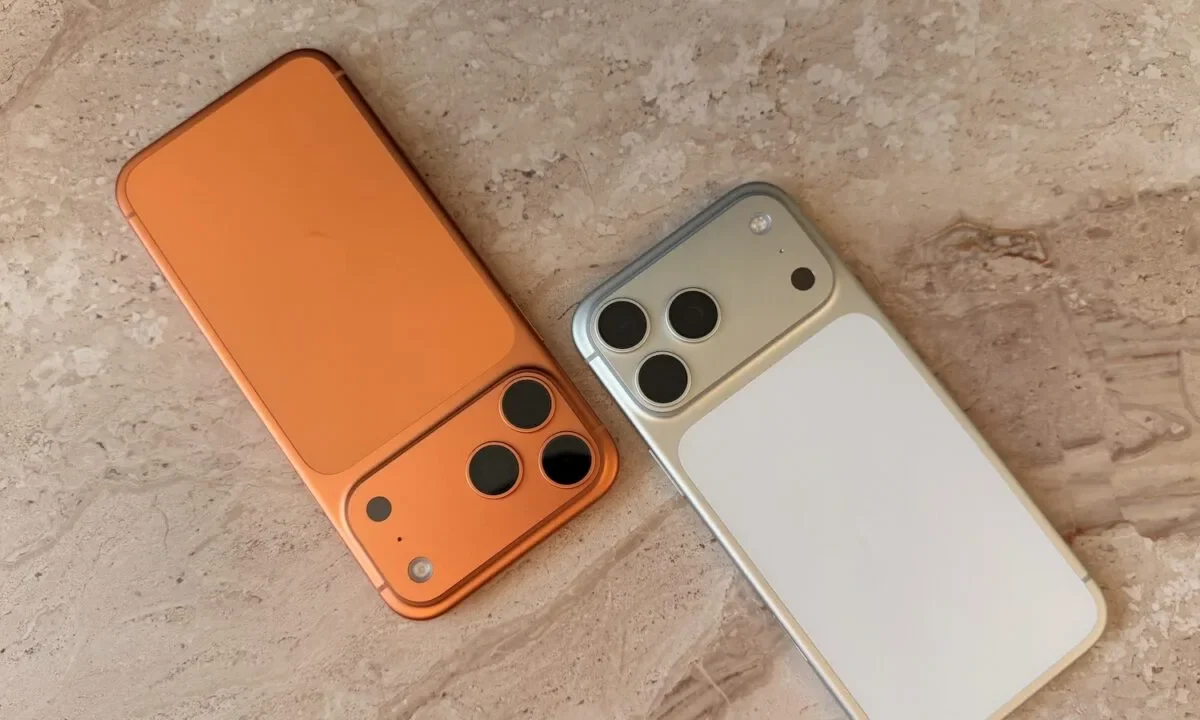
Image: Apfelpatient
Apple is quietly changing what it means to carry two iPhones.
A new iOS 27 feature called iPhone Handoff is designed to let users connect two iPhones to the same phone number and switch between them, potentially removing one of the biggest inconveniences for people who regularly carry a primary phone and a second device.
Apple briefly mentioned the capability during its Worldwide Developers Conference in June, but offered few details at the time. A recent demonstration using two simulated iPhones has now provided a clearer picture of how the system is expected to work.
The important detail is that this is not simply Apple giving two phones identical SIM cards and allowing both to behave as independent copies of the same line. Instead, iPhone Handoff appears to establish a main iPhone and a companion iPhone, with the phone number moving between the two.
That distinction could make the feature particularly useful for people who want to switch phones without changing their number, transferring an eSIM every time or relying on Apple’s existing continuity features.
What is iPhone Handoff in iOS 27?
iPhone Handoff is a new cellular feature in iOS 27 that allows two iPhones to be associated with the same phone number.
During setup, one iPhone is designated as the main device, while the other becomes the companion device. The main iPhone retains the primary eSIM, while the companion receives a companion eSIM.
The result is a setup in which the user can move the phone-number functionality from one iPhone to the other.
This is different from simply signing into the same Apple Account on multiple devices. Apple has long allowed iPhones, iPads and Macs to work together for calls and messages through Continuity, but those systems have traditionally relied on another device relaying calls through the iPhone that has the active cellular connection.
iPhone Handoff appears to take the idea further by making the second iPhone part of the cellular-number arrangement itself.
How the one-number, two-iPhone system works
The reported setup is found through the Cellular section of the iPhone’s Settings app.
Users select which phone should be their main iPhone and which should act as the companion. Apple’s system then manages the cellular relationship between the two devices.
The primary eSIM stays on the main iPhone. A companion eSIM is assigned to the second device.
That means users do not appear to be getting two independent phone lines. Instead, the system is designed to let the same number be used as the user switches between the paired iPhones.
One particularly interesting detail is that cellular settings remain controlled from the main iPhone. Location sharing, meanwhile, is reportedly associated with whichever iPhone is actively using the phone number.
That could matter for users who keep one phone at home and take another to work, travel or other locations.
Does this mean both iPhones can use the number at once?
Not quite.
The most important point for potential users is that iPhone Handoff appears to be built around switching, rather than turning two iPhones into simultaneously active copies of the same cellular line.
Reports describing the feature say users can switch between the main and companion iPhones while retaining the same number.
That makes the feature closer to moving the active cellular identity between devices than creating a traditional multi-device phone plan.
This distinction could prevent some confusion when the feature becomes available. Someone hoping to leave one iPhone at home and have it ring simultaneously with another phone may be expecting something different from what Apple is introducing.
Why iPhone Handoff could be useful for people with two phones
The feature addresses a surprisingly common problem.
Some users own two iPhones because they want different hardware for different situations. One might be a larger Pro model used as a daily device, while another could be a smaller phone, a foldable-style device in the future or simply a spare.
Until now, switching the primary cellular line between phones could involve carrier procedures, eSIM transfers or other workarounds.
Apple’s new approach could make that process much less cumbersome.
It could also become more interesting as Apple’s iPhone lineup expands. If consumers want to keep a high-end phone for certain situations while using another iPhone at other times, the ability to maintain one number across both devices could remove a major barrier.
MacRumors noted that Apple had previously described the feature as allowing users to switch between two iPhones using the same phone number.
Carrier support could determine who gets the feature
There is a catch: iOS 27 alone may not be enough.
Reports indicate that iPhone Handoff appears to require support from the mobile carrier. That means installing iOS 27 on two compatible iPhones does not necessarily guarantee that the feature will work.
T-Mobile in the United States and Deutsche Telekom in Germany have been identified in reports as possible early carriers supporting the capability.
That carrier dependency could determine how quickly iPhone Handoff spreads.
Apple has previously relied on carrier support for cellular features, and eSIM capabilities can vary by market. Apple’s existing Dual SIM documentation also notes that eSIM availability and cellular capabilities can differ by country and carrier.
For users outside the initial supported markets, the feature may simply remain unavailable until their carrier enables it.
READ ALSO
Apple iPhone 17e launched: Price, features, specs, release date and everything you need to know
Which iPhones support iOS 27?
Apple’s iOS 27 compatibility list extends back to the iPhone 11, along with the second-generation iPhone SE and newer models.
That does not necessarily mean every compatible iPhone will receive every iOS 27 feature.
Apple has increasingly divided features according to hardware and carrier requirements. Apple Intelligence features, for instance, have more demanding hardware requirements, while some cellular features can depend on network-provider support.
For iPhone Handoff specifically, users will need to wait for confirmation of the precise device and carrier requirements before assuming that any two iOS 27-compatible iPhones can be paired.
iPhone Handoff is not the same as Apple’s existing call relay
There is already a way to make and receive iPhone calls on other Apple devices.
Apple’s existing cellular call relay allows compatible Macs, iPads and HomePods to use an iPhone’s cellular connection. The devices need to be configured with the same Apple Account and other requirements apply.
That system is different from iPhone Handoff.
With call relay, the other Apple device is essentially using the iPhone’s cellular connection. iPhone Handoff is designed specifically around two iPhones, with each device receiving an eSIM role in the pairing.
That makes the new feature much more relevant to people who actually want to carry two cellular-capable iPhones.
What happens to your location when you switch phones?
One of the less obvious changes could involve location sharing.
According to reports on the demonstrated feature, location sharing is tied to the iPhone that is actively using the phone number.
That could be useful for someone who switches between phones throughout the day, but it also means users may need to understand which device is considered active.
Someone expecting their location to remain tied permanently to the main iPhone could be surprised when the companion device becomes the active phone.
Why Apple kept this feature so quiet
iPhone Handoff was reportedly mentioned during the WWDC 2026 presentation on a slide containing hundreds of smaller iOS 27 changes rather than receiving a major stage demonstration.
That helps explain why the feature has suddenly attracted attention as iOS 27 approaches release.
The capability solves a niche problem rather than introducing a flashy new camera, AI system or redesigned interface. Yet for people who actually use two iPhones, it could be one of the more practical additions in the update.
Apple has increasingly focused on making its devices work together with less friction. iPhone Handoff fits that broader strategy, but with the cellular network itself becoming part of the handoff process.
What iPhone Handoff could mean for future iPhone users
The feature may become more important if Apple’s hardware strategy continues to encourage users to own different types of iPhones.
A customer might want a premium iPhone for work and another model for travel. Previously, the phone number was one of the things tying the user to a single primary device.
iPhone Handoff potentially weakens that limitation.
The bigger shift is not simply that one number can appear on two iPhones. It is that Apple is making the phone number more portable between a user’s paired devices without requiring the user to manually transfer the cellular plan every time.
That could turn carrying two iPhones from an inconvenience into a much more seamless experience.
For now, though, the feature should be viewed with some caution. The demonstrations reported so far provide a clearer look at Apple’s implementation, but carrier availability and final rollout details remain important.
If Apple’s carrier partnerships expand, iPhone Handoff could become one of those iOS features that receives little attention at launch but becomes indispensable to a specific group of users.
Frequently asked questions about iOS 27 iPhone Handoff
Can two iPhones use the same phone number with iOS 27?
Yes. iPhone Handoff is designed to let two paired iPhones use the same phone number, with users switching between a main and companion device.
Can both iPhones receive calls at the same time?
The reported feature is designed around switching between the two iPhones rather than making both devices simultaneously active on the same cellular number. The exact behavior may depend on Apple’s final implementation and carrier support.
What is iPhone Handoff?
iPhone Handoff is an iOS 27 cellular feature that allows a main iPhone and companion iPhone to share one phone number and switch the active number between them.
Do I need two iPhones running iOS 27?
Reports indicate that both iPhones need to be running iOS 27 to use the feature. Carrier support is also expected to be required.
Does iPhone Handoff require carrier support?
Yes, carrier support appears to be an important requirement. Early reports have pointed to T-Mobile and Deutsche Telekom as possible initial supported carriers.
Is iPhone Handoff the same as Dual SIM?
No. Dual SIM lets a single iPhone use multiple phone lines. iPhone Handoff is designed to associate one phone number with two separate iPhones and allow the user to switch between them.
Can I use the same number on two iPhones without iPhone Handoff?
There are existing Apple continuity features that can relay calls from an iPhone to other Apple devices, but that is different from having two iPhones configured as a main and companion cellular device.
Which iPhones can run iOS 27?
Apple says iOS 27 supports the iPhone 11 and newer models, as well as the second-generation iPhone SE and later. Feature availability can vary by hardware and other requirements.
Will iPhone Handoff work with every mobile carrier?
Not necessarily. Current reports indicate that carrier support is required, meaning availability could vary by country, network and plan.
When will iPhone Handoff be available?
iOS 27 is expected to arrive in September 2026 following its beta period. The precise availability of iPhone Handoff will depend on Apple’s rollout and participating carriers.