

HMRC bank account powers: what is confirmed before the Budget?

Illustration: possible HMRC debt-recovery changes. This is not an actual event or taxpayer account.
Reports that HM Revenue & Customs could gain wider powers to take unpaid tax directly from bank accounts have prompted a practical question: can HMRC do this now, and has the government confirmed a change? The current rules and the proposal discussed earlier this year are clearer than the latest Budget speculation.
What the latest report says — and what is not confirmed
The Independent reported on Sunday, citing The Times, that Chancellor John Healey may announce a change in the 28 October Budget. The report says the government is considering wider deductions from current and savings accounts for people who repeatedly ignore HMRC payment requests. It also describes a possible reduction in the minimum debt eligible for direct recovery. The Treasury told The Times it would not comment on “rumour, speculation or proposals” ahead of a fiscal event.
That is a reported plan, not a confirmed Budget measure. No new threshold, start date or final safeguard package has been announced by the government. The phrase “a few pounds” in the report should not be treated as an approved rule.
What HMRC can already do
HMRC already has a Direct Recovery of Debts process. Its published guidance says that in England, Wales and Northern Ireland it can use the process for tax debts of at least £1,000 when there is enough money across the debtor’s accounts to pay the debt and leave at least £5,000 available. Scotland uses a separate summary-warrant route.
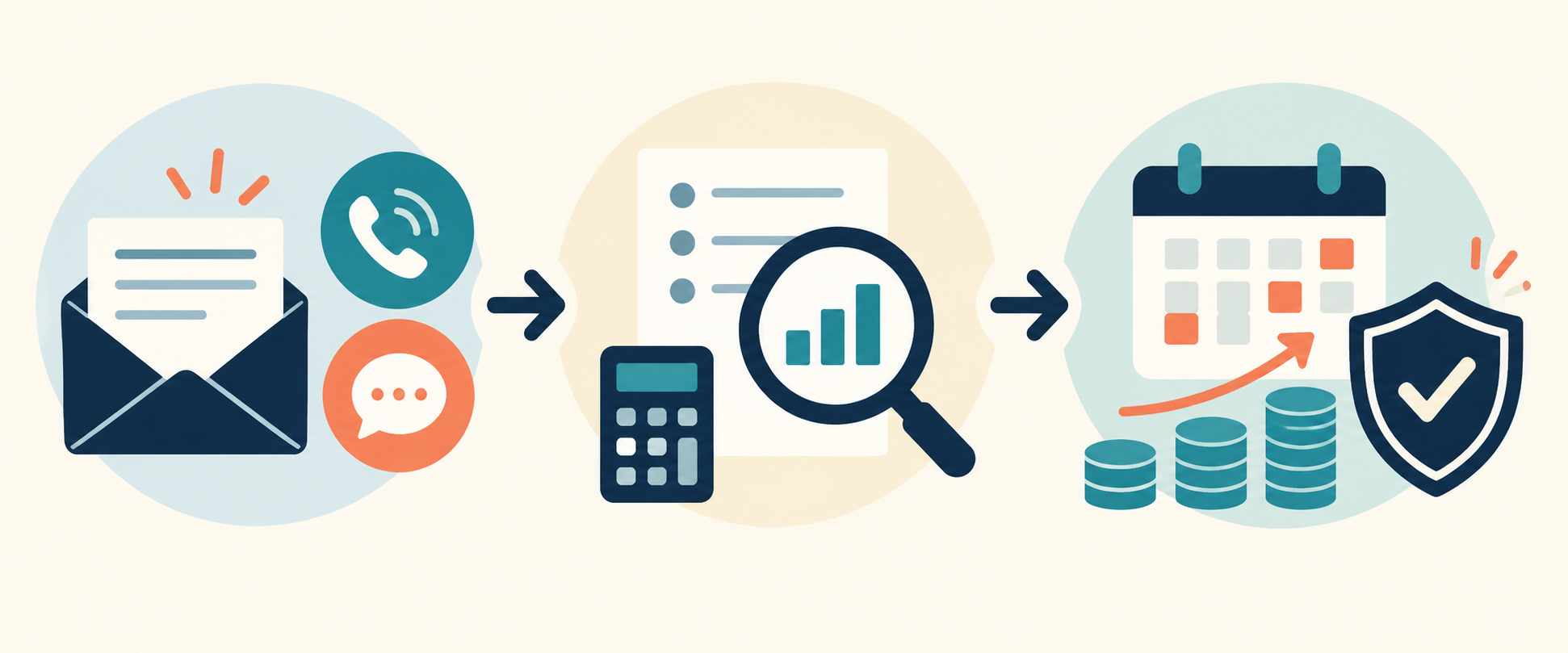
The current process is intended for established debts after repeated attempts to contact the taxpayer. HMRC says individuals receive a face-to-face visit before a case is considered for direct recovery. If HMRC places a hold on funds, the person has 30 days to object; money is not transferred during that period. A rejected objection can be appealed to a county court on specified grounds, including hardship. HMRC’s debt guidance also says people who cannot pay or dispute a bill should contact the department to discuss the issue or an affordable Time to Pay arrangement.
What the government proposed for smaller debts
A separate, official HMRC consultation launched in June sought views on extending direct recovery to lower-value debts for people who can afford to pay but persistently do not engage. The idea was to collect manageable monthly instalments after normal contact and collection steps had failed, rather than take a single lump sum.
The consultation said the final limits had not been decided and that debts in scope were not expected to exceed £10,000, including interest and penalties. It asked about safeguards such as repeated contact, support for vulnerable customers, affordable repayments and a route to challenge decisions. The consultation closed on 28 August; the government said a summary of responses would be published later in 2026. Those consultation terms help explain the policy debate, but they do not prove that every detail in the latest report will appear in the Budget.
What taxpayers should watch for
The Budget announcement, if there is one, will need to clarify who qualifies, the minimum debt, how affordability is assessed, what notice people receive and how objections work. Until then, taxpayers should distinguish the existing £1,000 process from a proposed expansion that has not been formally confirmed.
If you receive a genuine HMRC notice and cannot pay or believe the amount is wrong, use the contact details on GOV.UK’s tax-debt guidance to contact HMRC promptly. Do not rely on a social-media post to establish what powers apply. CrispNG has also explained what the National Audit Office found about HMRC’s £43.8 billion tax-debt challenge.