

Pentagon beard policy explained: Hegseth pushes new rules for U.S. troops

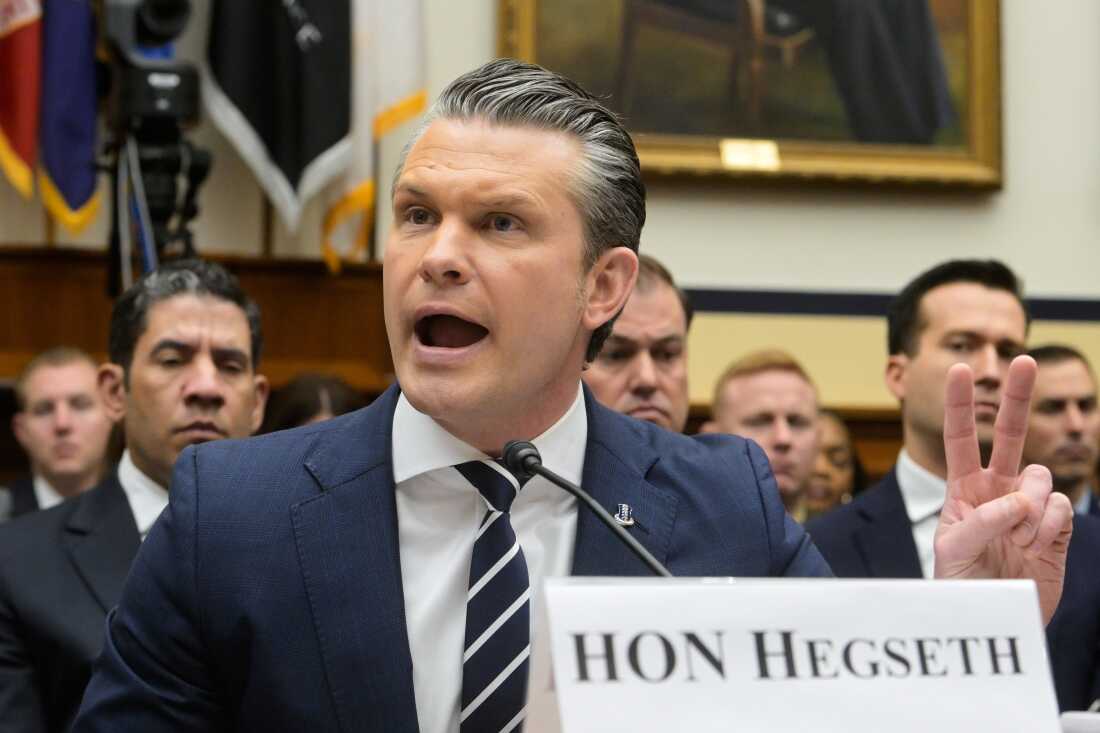
Secretary of Defense Pete Hegseth. Image Credit: AP Photo/Rod Lamkey Jr.
Defense Secretary Pete Hegseth’s renewed push for stricter grooming and fitness standards has reignited a contentious debate within the U.S. military, with supporters arguing it restores discipline while critics warn it could disproportionately affect certain groups of service members.
The controversy resurfaced after reports indicated that Hegseth expressed frustration over seeing sailors with facial hair during recent military visits, questioning whether his directives on grooming standards were being properly enforced.
The renewed focus comes amid broader Pentagon efforts to reinforce what Hegseth has repeatedly described as a return to a stronger “warrior culture” within the armed forces.
Hegseth’s ‘No More Beardos’ Message Returns to Spotlight
The current debate traces back to September 2025, when Hegseth addressed senior military leaders at Marine Corps Base Quantico and declared there would be “no more beardos” and “fat troops.”
According to Pentagon officials, Hegseth believes military standards related to appearance, physical fitness, and discipline have become inconsistent over recent years.
Officials familiar with internal discussions say the defense secretary has privately complained that his earlier message did not lead to the rapid changes he expected. As a result, commanders across various branches are reportedly facing increased pressure to ensure compliance with grooming regulations.
Pentagon spokesman Sean Parnell reiterated that commanders are expected to lead by example and ensure troops meet established standards.
Why the Pentagon Is Tightening Beard Policies
Military officials argue that beard restrictions are not solely about appearance but are also tied to operational readiness.
The Pentagon maintains that facial hair can interfere with the effectiveness of protective equipment, particularly gas masks and respirators used during chemical, biological, radiological, or nuclear emergencies.
Under updated guidelines, service members with medical shaving waivers are required to undergo treatment and periodic evaluations. Waivers are generally issued in 90-day increments.
Troops who continue to require shaving waivers after one year of treatment could potentially face administrative separation from military service.
The Department of Defense says the policy is intended to ensure that all personnel remain deployable and capable of safely using protective gear when necessary.
Concerns Over Impact on Black Service Members
Critics of the policy argue that the crackdown could disproportionately affect Black military personnel.
A major point of contention is pseudofolliculitis barbae (PFB), commonly known as razor bumps, a painful skin condition that occurs when shaved hair curls back into the skin.
Studies estimate that the condition affects between 45% and 83% of Black men.
Veterans’ groups and advocacy organizations have expressed concern that stricter enforcement could unfairly penalize troops suffering from legitimate medical conditions.
Richard Brookshire, co-founder of the Black Veterans Project, warned that the policy could expose affected personnel to increased scrutiny and disciplinary actions despite the condition being medically recognized and treatable.
READ ALSO
Pete Hegseth huddles with House Republicans as Trump pushes massive $350 Billion defense plan
Religious Exemptions Remain Under Scrutiny
The policy has also renewed discussions surrounding religious accommodations.
Current military regulations permit beard exemptions for certain faith groups, including Sikh, Muslim, and Jewish service members whose beliefs require facial hair.
Questions have also emerged regarding the status of other religious accommodations following Hegseth’s broader review of military religious affiliation policies.
Supporters of exemptions argue that technological advances, including alternative protective equipment, can address safety concerns without forcing troops to abandon religious practices.
Previous Army studies found that specialized respirators and alternative protective masks could provide sufficient protection for bearded personnel in certain situations.
Supporters Say Higher Standards Improve Readiness
Despite criticism, many military leaders and veterans support Hegseth’s emphasis on discipline and physical standards.
Retired Army Special Forces officer Mike Nelson stated that while some aspects of the policy may be controversial, concerns regarding declining standards are not entirely unfounded.
Supporters believe uniform grooming standards reinforce military professionalism, cohesion, and readiness at a time of growing global security challenges.
However, some observers question whether senior Pentagon leadership should devote substantial attention to grooming policies while the military simultaneously manages operations involving Iran, Indo-Pacific security concerns, and broader geopolitical tensions.
Broader Culture Debate Inside the Pentagon
The beard controversy has become symbolic of a larger ideological debate regarding the future direction of the U.S. military.
Hegseth has repeatedly argued that restoring discipline, enforcing standards, and eliminating what he views as unnecessary exceptions are essential to rebuilding military effectiveness.
Critics, meanwhile, contend that readiness and professionalism can coexist with carefully managed medical and religious accommodations.
As discussions continue, the Pentagon’s grooming policies are likely to remain a flashpoint in broader debates over military culture, diversity policies, and combat preparedness.
FAQ
What is Pete Hegseth’s beard policy?
Pete Hegseth has pushed for stricter enforcement of military grooming regulations, arguing that excessive beard exemptions undermine discipline and readiness.
Why does the Pentagon restrict beards?
The Pentagon says facial hair can interfere with the seal of protective masks and respirators used during chemical or biological emergencies.
Are beards completely banned in the U.S. military?
No. Religious and certain medical exemptions still exist, although the approval process has become more stringent.
What is pseudofolliculitis barbae (PFB)?
PFB, commonly called razor bumps, is a medical condition where shaved hairs grow back into the skin, causing irritation and inflammation.
Why are Black service members concerned about the policy?
Because PFB disproportionately affects Black men, critics argue that stricter beard rules could unfairly impact many qualified personnel.
Can military personnel be removed from service because of shaving waivers?
Under current policy, troops requiring long-term shaving waivers after extended treatment may face administrative separation.
Does the military allow religious beard exemptions?
Yes. Sikh, Muslim, and Jewish service members can receive accommodations permitting facial hair for religious reasons.
What did Hegseth mean by “no more beardos”?
The phrase was used to emphasize his belief that the military should return to stricter appearance and discipline standards.
Has the military tested whether beards interfere with gas masks?
Yes. Previous Army studies found standard masks may not seal properly over beards, though alternative protective equipment has shown promise.
Why is this issue generating controversy?
The debate centers on balancing military discipline and readiness with medical realities, religious freedom, diversity concerns, and retention of trained personnel.