

UK heatwave satellite images reveal shocking drought damage as rivers dry up, crops suffer and water crisis deepens

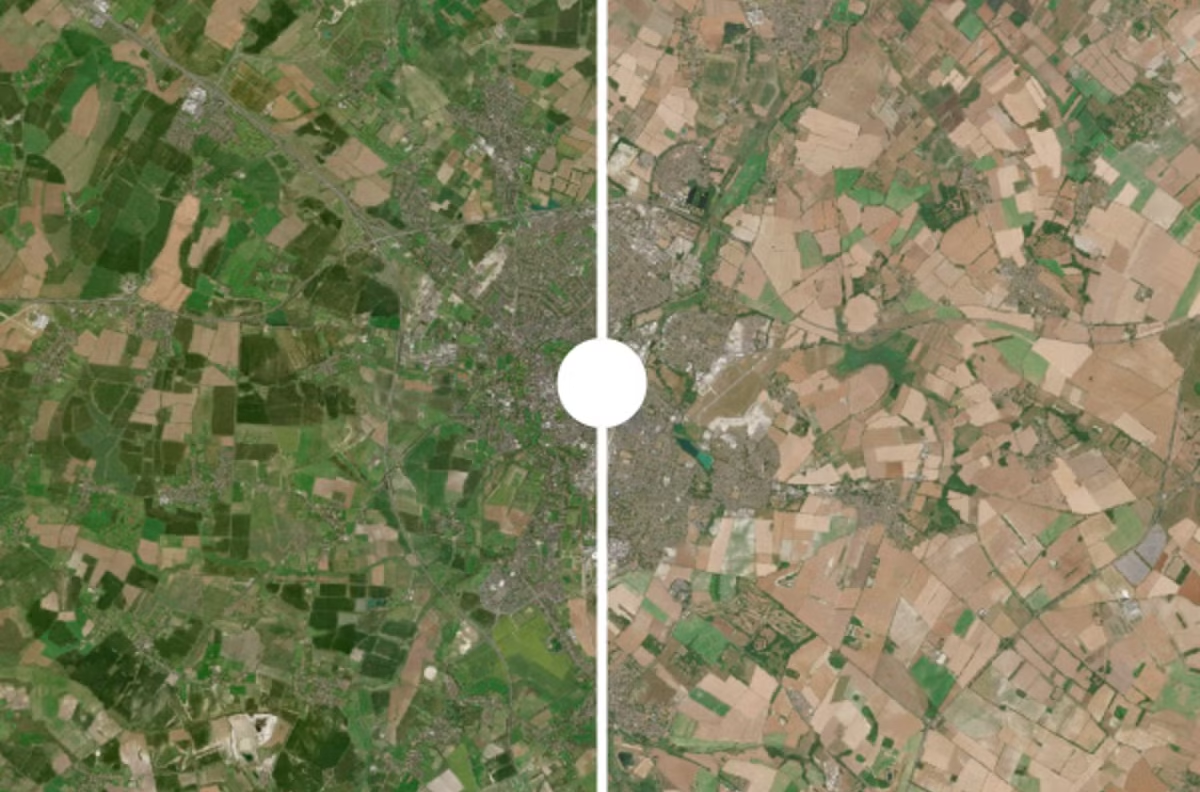
Cambridge, April to July 2026 Source: European Union; contains modified Copernicus Sentinel 2 data 2026
The UK’s prolonged summer heatwave has transformed large parts of Britain from lush green landscapes into vast stretches of brown vegetation, with newly released satellite imagery exposing the true scale of the country’s worsening drought.
Analysis of satellite data by BBC Verify shows severe vegetation stress across England and parts of Wales following months of exceptionally hot weather and below-average rainfall. The findings come as more than half of England and the whole of Wales have entered official drought status, prompting widespread hosepipe bans, growing concerns over food production, and warnings about future water shortages linked to climate change.
Scientists say the images provide one of the clearest visual demonstrations yet of how prolonged heatwaves are reshaping Britain’s environment.
Satellite Images Reveal Extensive Vegetation Stress Across the UK
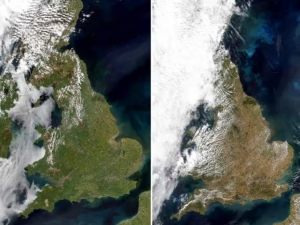
Using the Normalised Difference Vegetation Index (NDVI), researchers compared vegetation health between July 2025 and July 2026.
The comparison reveals dramatic browning across North Wales, Merseyside, Flintshire, Denbighshire, Lincolnshire, Peterborough and parts of Devon, where healthy green farmland has rapidly deteriorated after repeated heatwaves and minimal rainfall.
Meanwhile, Scotland’s Highlands and some Welsh mountain regions have remained relatively green due to higher rainfall and cooler temperatures.
Experts explain that while brown vegetation does not necessarily mean plants have died permanently, prolonged drought weakens root systems, reduces crop growth and increases the risk of long-term environmental damage.
England Faces Third Major Drought in Five Years
England has now experienced major drought declarations in 2022, 2025 and 2026, highlighting a worrying trend of increasingly frequent extreme weather.
Photographs from across the country show dramatically reduced river levels, exposed riverbeds and parched public spaces.
Among the most striking examples are:
- River Wye with exposed riverbed
- River Redlake almost completely dry
- Hollow Pond in East London significantly reduced
- Howden Reservoir showing receding shorelines
- Greenwich Park, Primrose Hill, Blackheath and Hackney Marshes transformed into brown landscapes
Sports grounds, golf courses and cricket pitches have also suffered extensive damage, forcing many clubs to adapt to unusually dry playing conditions.
Farmers Warn Heatwave Could Push Food Prices Higher
Agricultural experts say the combination of drought and repeated heatwaves is placing enormous pressure on British farming.
Low soil moisture has reduced crop growth while many livestock farmers have already started using winter feed months earlier than expected because grass supplies have diminished.
Researchers warn reduced harvests may lead to:
- Higher supermarket prices
- Reduced availability of British produce
- Increased pressure on livestock farming
- Greater dependence on imported food
Scientists from the London School of Hygiene and Tropical Medicine believe unreliable water supplies could become one of the biggest challenges facing UK agriculture over the coming decades.
READ ALSO
Reservoir Levels Remain Better Than Expected—But Concerns Persist
Despite severe drought conditions, reservoir storage has remained relatively resilient thanks to an exceptionally wet start to 2026.
England’s reservoirs currently stand at around 75% capacity, below the long-term seasonal average of 83% but still healthier than during previous drought periods.
However, water companies have introduced hosepipe bans across millions of households as continued hot weather increases water demand.
Reservoirs in southwest England, including Wimbleball and Blagdon, are among the most depleted.
Climate Change Increasing Heatwave and Drought Risks
Climate scientists say the 2026 drought reflects broader changes linked to global warming.
Higher temperatures accelerate evaporation from soils and vegetation, creating “flash droughts” that can develop rapidly even after wet winters.
Researchers also warn dry ground becomes less capable of absorbing rainfall, increasing the likelihood of flash flooding when storms eventually arrive.
Environmental experts believe the UK will need major investments in water infrastructure, reservoir capacity and climate adaptation measures to cope with increasingly frequent heatwaves.
Growing Calls for Better Water Management
The widespread drought has reignited debate over Britain’s water security.
Environmental groups argue the country needs additional reservoirs, reduced leakage, improved groundwater management and more efficient water conservation policies.
With millions of households already facing restrictions and agriculture under mounting pressure, experts warn future summers could become even more challenging without significant investment.
What Happens Next?
Weather forecasts suggest parts of the UK may receive some rainfall in the coming weeks, but experts caution that meaningful recovery will require sustained precipitation over several months.
Until then, vegetation stress, agricultural losses and pressure on water resources are expected to continue across much of England and Wales.
FAQ
Why is the UK experiencing such severe heatwaves in 2026?
Repeated high-pressure weather systems combined with climate change have produced prolonged periods of hot, dry weather across much of the UK.
What do the latest satellite images show?
They reveal widespread vegetation stress, with many areas changing from healthy green to brown because of prolonged heat and limited rainfall.
Which parts of the UK are worst affected?
North Wales, Merseyside, Lincolnshire, Devon, Peterborough and much of southern and eastern England show the greatest impact.
Why are rivers drying up?
Weeks of below-average rainfall and high evaporation rates have significantly reduced river flows.
Are UK reservoirs running out of water?
Reservoirs remain below normal but are generally better stocked than during previous droughts because of heavy winter rainfall.
Why are hosepipe bans being introduced?
Water companies are managing supplies due to increased demand and reduced rainfall.
What is vegetation stress?
It is a condition where plants lose moisture and struggle to grow because of insufficient water.
Will food prices increase?
Experts warn reduced crop yields and pressure on livestock farming could increase the price of British produce.
How does climate change affect UK droughts?
Warmer temperatures increase evaporation, making droughts more frequent, severe and longer-lasting.
Can the landscape recover?
Many plants and grasses can recover after sustained rainfall, although prolonged drought may permanently damage some vegetation and crops.
Is this one of the UK’s worst droughts?
It is among the most significant in recent years, marking the third major drought affecting England within five years.
What can households do during drought conditions?
Follow local water restrictions, reduce unnecessary water use, repair leaks and conserve water wherever possible.
Will the drought end soon?
Short-term rainfall may provide temporary relief, but experts say meaningful recovery requires consistent rainfall over an extended period.