

Total solar eclipse 2026: Exact times, best places to watch and safety tips

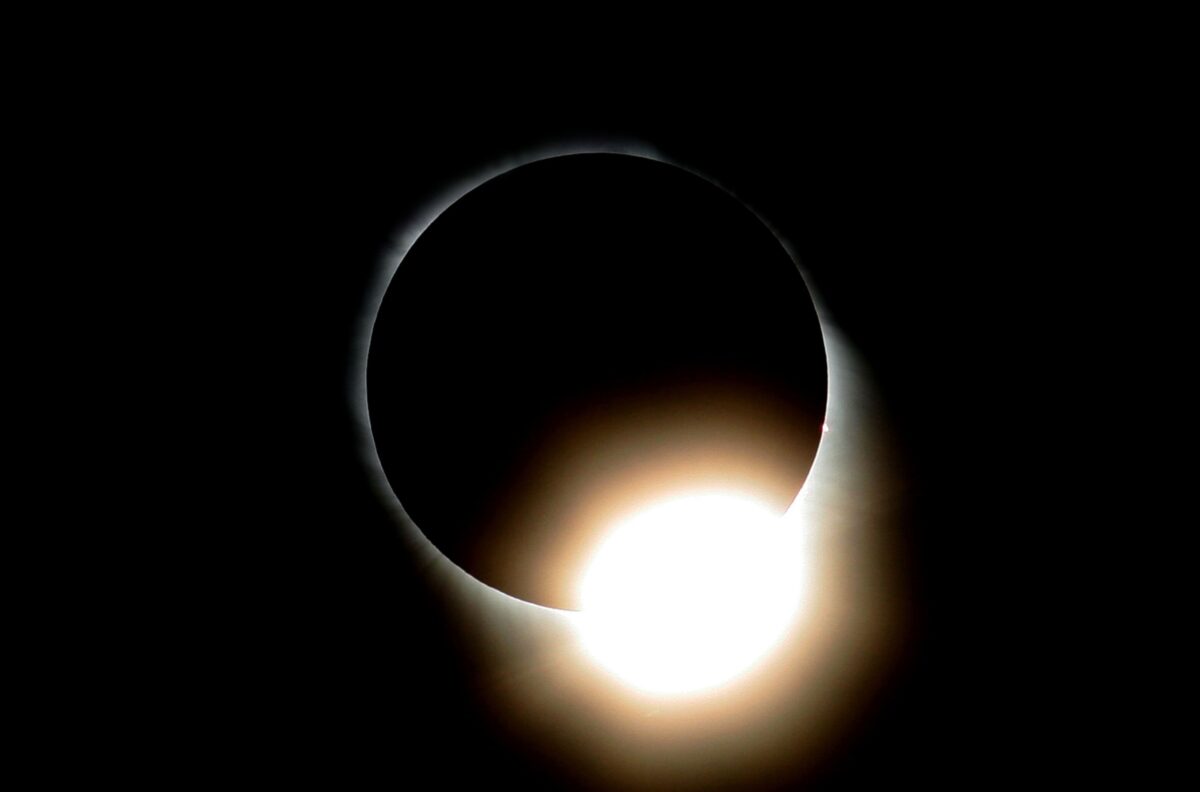
August 2026 total solar eclipse in Europe to create dramatic twilight skies. Image Credit: SSPL/Getty Images
Skywatchers across Europe are preparing for one of the most anticipated astronomical events of the decade as a rare total solar eclipse arrives on August 12, 2026.
While parts of Greenland, Iceland, Spain, Portugal and northern Russia will briefly experience daytime darkness, the United Kingdom and Ireland are expected to witness their deepest partial solar eclipse in more than a decade.
Astronomy experts say the event could become one of the most memorable celestial displays of recent years, especially as it coincides with the peak of the Perseid meteor shower later the same night.
What Is Happening During the August 2026 Solar Eclipse?
A solar eclipse occurs when the Moon passes directly between Earth and the Sun, blocking sunlight either partially or completely.
On August 12, the Moon’s shadow will create a narrow path of totality stretching across eastern Greenland, western Iceland and northern Spain before ending near the Balearic Islands and parts of northern Russia.
For those inside this path, daylight will briefly turn into twilight as the Sun becomes completely hidden.
The eclipse marks Europe’s first major total solar eclipse since 1999, making it a historic event for millions of observers.
UK to Experience Deepest Solar Eclipse Since 2015
Although the UK will miss totality, the eclipse will still be spectacular.
Most areas across Britain and Ireland will see between 90% and 96% of the Sun obscured, creating dramatic lighting effects and a noticeable drop in temperature.
According to astronomical projections:
- Cornwall could experience up to 95.8% coverage
- Cardiff is expected to witness around 93% coverage
- London could see approximately 91% coverage
- Belfast and western parts of Ireland may observe over 93% coverage
The event will begin shortly before 6 p.m. BST, reaching maximum coverage around 7:05 p.m. to 7:13 p.m. BST.
Experts say the partially eclipsed Sun will resemble a thin crescent hanging low over the western horizon.
Best Places to See the Total Solar Eclipse
Travel demand is expected to surge as eclipse enthusiasts head toward the path of totality.
Northern Spain has emerged as one of the most popular destinations because of its accessibility and relatively favourable weather prospects.
Iceland and Greenland will also provide excellent viewing opportunities, although observers there may face more challenging weather conditions.
NASA estimates that totality will last less than two minutes for most viewers, though some locations near the centerline could experience darkness for around two and a half minutes.
Tourism operators across Spain are already reporting growing interest from international travellers hoping to witness the phenomenon.
READ ALSO
Pentagon beard policy explained: Hegseth pushes new rules for U.S. troops
Why This Eclipse Is Particularly Special
Astronomers describe August 12, 2026, as a rare “double sky event.”
Only hours after the eclipse concludes, the Perseid meteor shower will reach its annual peak.
Because the Moon will be in its new phase immediately following the eclipse, the night sky will remain exceptionally dark, creating ideal conditions for meteor watching.
Under perfect conditions, observers could see up to 100 meteors per hour, although more typical rates in Europe are expected to range between 20 and 40 meteors each hour.
This unique combination of a major solar eclipse and one of the world’s most famous meteor showers makes August 12 one of the standout astronomical dates of the decade.
How to Watch the Solar Eclipse Safely
Experts strongly warn against looking directly at the Sun during any phase of the eclipse without proper protection.
Certified ISO 12312-2 eclipse glasses should be used at all times when observing the event.
Regular sunglasses do not provide sufficient protection and can result in permanent eye damage.
Anyone using telescopes, cameras or binoculars should ensure certified solar filters are attached to the front of their equipment.
Astronomers also recommend choosing locations with a clear view of the western horizon since the eclipse will occur close to sunset.
When Will the Next Total Solar Eclipse Be Visible From the UK?
For British observers hoping to witness totality without travelling abroad, patience will be required.
The next total solar eclipse visible from the United Kingdom is not expected until September 23, 2090, when parts of southern England will briefly experience complete darkness.
Until then, the August 2026 eclipse is widely regarded as one of the best opportunities for UK skywatchers to experience a near-total solar event.
FAQ
When is the total solar eclipse in 2026?
The total solar eclipse will occur on Wednesday, August 12, 2026.
Will the UK experience a total solar eclipse?
No. The UK will experience a deep partial eclipse, with up to 96% of the Sun covered in some areas.
Which countries will see totality?
Greenland, Iceland, Spain, a small part of Portugal and northern Russia will experience totality.
What time will the eclipse happen in the UK?
The eclipse will begin shortly before 6 p.m. BST and reach maximum coverage around 7:05 p.m. to 7:13 p.m. BST.
Will it become dark in the UK?
Not completely. However, many locations may experience conditions similar to dusk, with noticeable dimming of daylight and cooler temperatures.
Where is the best place to see the total eclipse?
Northern Spain is considered one of the best viewing locations due to accessibility and generally favorable weather.
How long will totality last?
Most observers in the path of totality will experience darkness for less than two minutes, although some areas could see up to approximately 2.5 minutes.
Is it safe to look directly at the eclipse?
No. Observers should only use certified eclipse glasses that meet ISO 12312-2 standards.
Can I photograph the eclipse?
Yes. Cameras and telescopes can be used, but they must have certified solar filters attached.
Why is the August 2026 eclipse so special?
The eclipse occurs on the same day as the peak of the Perseid meteor shower, creating one of the most remarkable astronomy events of the decade.
When is the next total solar eclipse visible from the UK?
The next total solar eclipse visible from the UK is expected on September 23, 2090.
Will there be another total solar eclipse soon?
Yes. Spain will experience another total solar eclipse on August 2, 2027, making the Iberian Peninsula a major destination for eclipse tourism over the next two years.