

Gombe Says 74 Treated as Cholera Checkpoint Nears

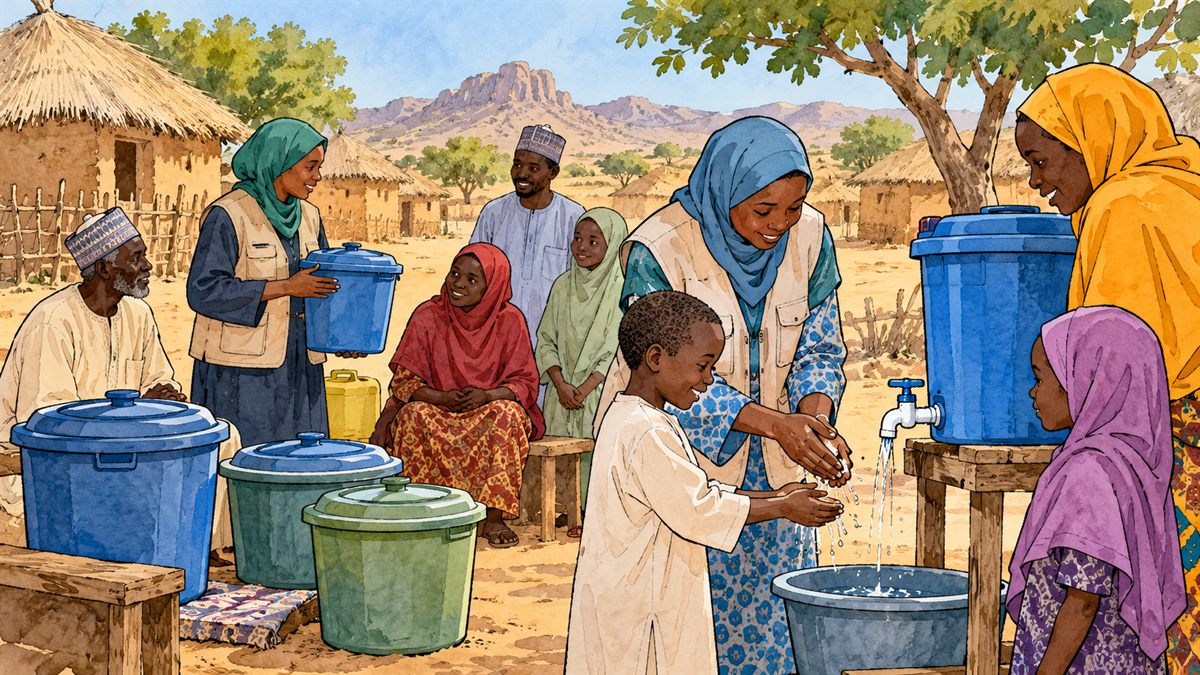
Gombe State says health workers treated and discharged 74 people after a cholera outbreak in Billiri Local Government Area. At a briefing on 21 October, Health Commissioner Adamu-Danladi Bojude reported seven days without a new case. He said the state would review the outbreak again on 24 October.
What Gombe officials reported
Bojude said the state declared the outbreak in Kedo village, Todi Ward, after two people died on 4 October following reports of diarrhoea and vomiting. The state sent a rapid-response team to support local health workers. It provided free treatment at the Primary Health Centre in Sheila.
He said staff had treated and discharged 74 people. No one remained in hospital at the time of the briefing. The state also opened an incident-management system at its Public Health Emergency Operations Centre to coordinate surveillance and response.
Why 24 October is a checkpoint, not a clearance
Analysis: Seven days with no new report is encouraging. However, it does not mean the outbreak has ended. Bojude said Gombe would declare it over only if officials recorded no further cases through 24 October, the tenth day in the monitoring period he described.
The figure of 74 needs care too. Bojude said health workers treated and discharged 74 people. The reports of his briefing did not say how many tests confirmed cholera. We therefore cannot describe all 74 as laboratory-confirmed cases.
In short, the next useful update is the state’s decision after the 24 October checkpoint. That is different from claiming the risk has disappeared. Surveillance and response still matter while officials watch for new reports.
For wider context, read CrispNG’s explainer on recent gastrointestinal outbreaks.
What residents can do
Gombe’s commissioner urged residents to keep food, themselves and their surroundings clean, and to report suspected cases to the nearest health facility. He said treatment for suspected cases was free at the response site in Sheila.
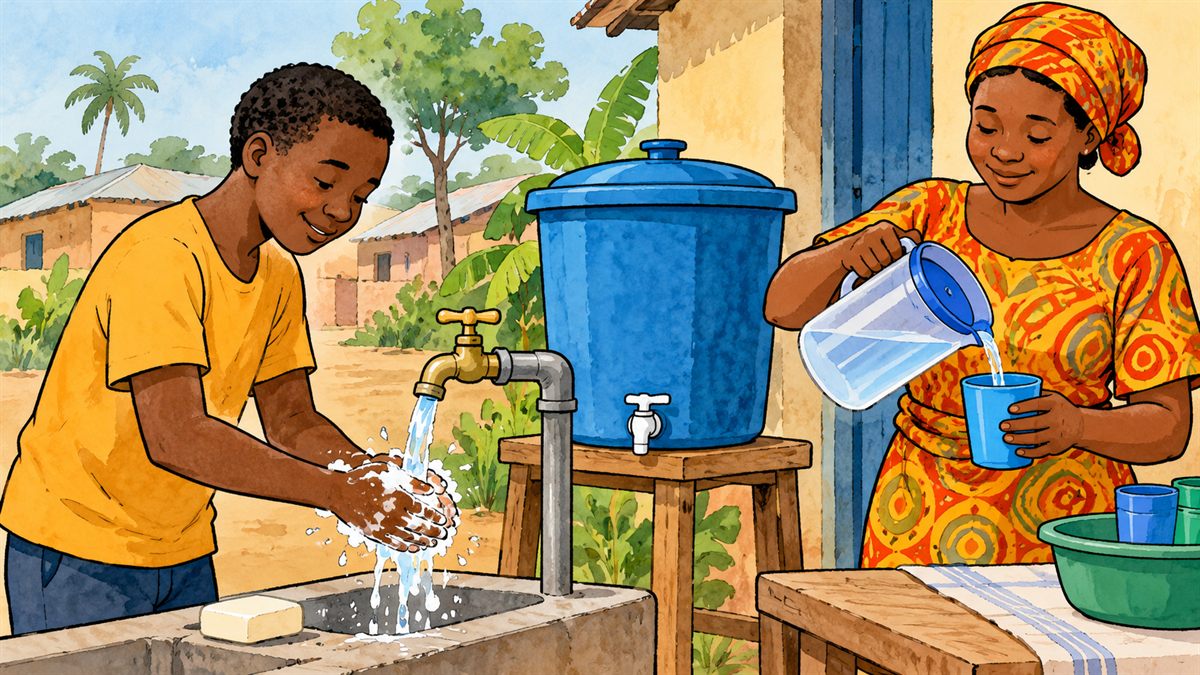
Cholera spreads through food or water contaminated with bacteria. The World Health Organization recommends safe water for drinking and food preparation, handwashing with soap and safe water, and thorough cooking and safe storage of food.
People with severe watery diarrhoea or repeated vomiting should seek medical care quickly. Oral rehydration solution can replace lost fluids while a person seeks care. Follow the sachet instructions and use safe water.
These steps can help beyond Billiri. However, they do not replace local advice. Residents should follow instructions from Gombe health officials and health facilities.
Sources
- The Punch: Gombe confirms cholera outbreak, treats 74 patients — report of the commissioner’s 21 October briefing.
- Peoples Gazette, carrying a News Agency of Nigeria report — treatment and discharge update.
- World Health Organization: Cholera outbreaks — prevention and care guidance.
- Nigeria Centre for Disease Control and Prevention: Cholera and water, sanitation and hygiene.