
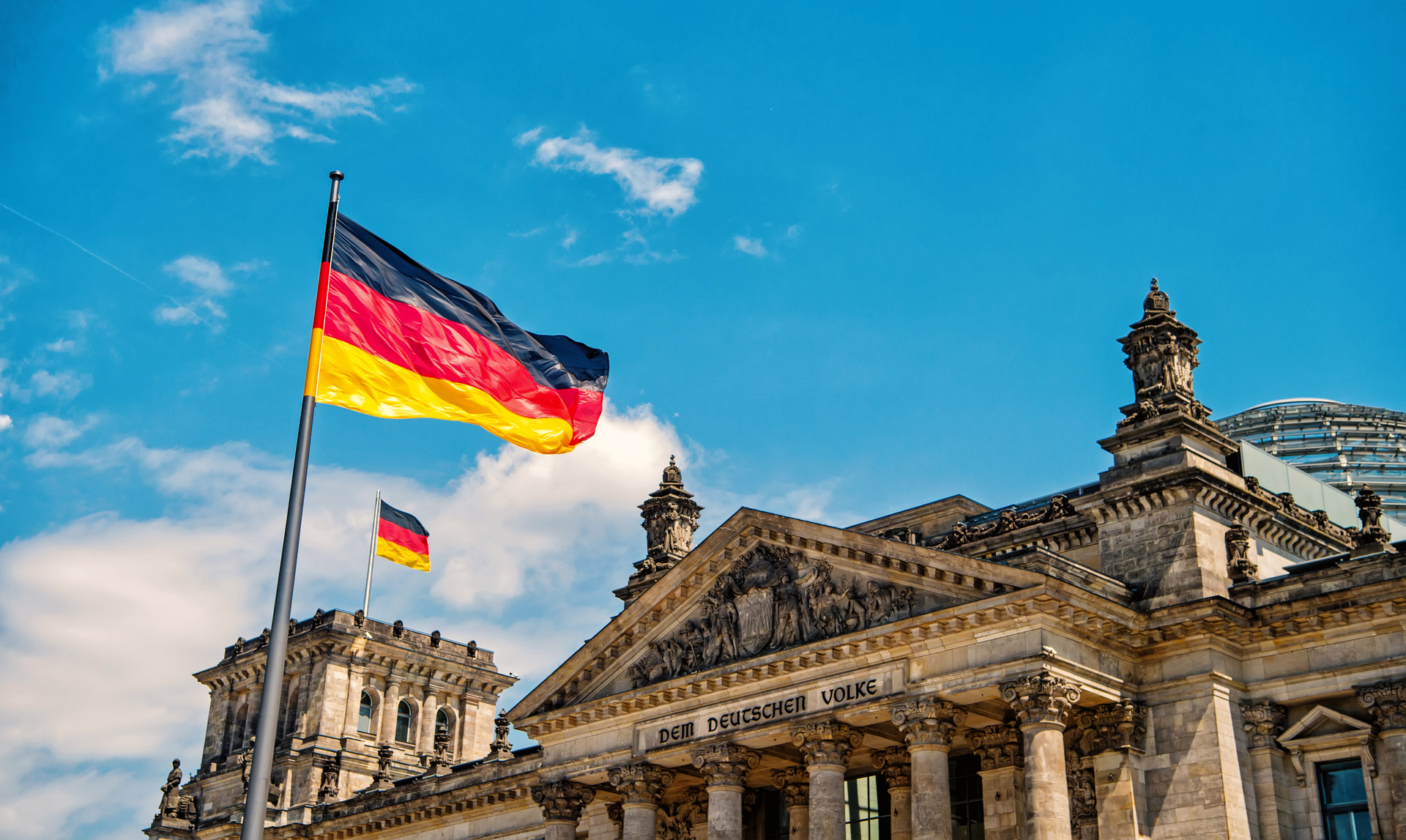
Germany is highlighting three important employment benefits available to foreign workers, offering Nigerians and other international job seekers a clearer picture of the workplace protections they can expect when they secure jobs in the European country.
According to information published by Germany’s Federal Employment Agency, foreign nationals employed in the country enjoy the same basic working conditions and legal protections as German citizens.
The protections cover annual holiday entitlement, regulated working hours and specific rights when an employment contract is terminated.
For Nigerians exploring opportunities abroad, these provisions could make Germany an attractive destination, particularly for those seeking more predictable working conditions and stronger employment protections.
3 benefits foreign workers enjoy when working in Germany
Germany’s employment framework provides several protections for employees. The Federal Employment Agency highlights three major areas that apply to foreign nationals working legally in the country.
1. Paid holiday entitlement
Foreign workers employed in Germany are entitled to annual leave under the country’s employment regulations.
This allows employees to take time away from work while retaining their entitlement to paid holidays, subject to applicable legal requirements and employment arrangements.
The provision gives workers an opportunity to rest and attend to personal responsibilities without relying entirely on the discretion of their employers.
2. Regulated working hours
Working hours in Germany are governed by employment regulations designed to protect employees from excessive working schedules.
These rules establish boundaries around working time and provide a framework for how employers organise employees’ schedules.
For foreign workers, this offers greater clarity about their working conditions and helps protect their right to rest outside scheduled working hours.
3. Rights when an employment contract is terminated
Foreign employees also enjoy specific legal protections when their employment comes to an end.
Germany’s labour framework establishes rules governing employment termination, giving workers certain rights and protections rather than leaving the process entirely to individual employers.
This can provide additional security for international workers who may be unfamiliar with the country’s employment system.
READ ALSO
Want to Work in Australia? 279 Occupations Face Worker Shortages in 2026
Do foreign workers in Germany enjoy the same rights as citizens?
According to the Federal Employment Agency, Germany’s regulated working conditions apply equally to German citizens and foreign nationals employed in the country.
This means that nationality alone does not exclude an employee from the workplace protections covering holiday entitlement, working hours and termination rights.
However, the specific terms of employment can depend on the applicable laws, collective agreements and individual employment contracts.
The protections also do not automatically grant foreigners permission to work in Germany. Applicants must still meet the country’s immigration and employment requirements.
What Nigerians should check before applying for German jobs
Nigerians interested in working in Germany are advised to establish whether they meet the necessary requirements before beginning the application process.
The Federal Employment Agency identifies three important issues prospective foreign workers should consider.
Visa requirements: Applicants should confirm whether they need a visa to enter Germany and what type of permission is required for their intended employment.
Recognition of qualifications: Some professions require foreign qualifications to be officially recognised in Germany. Applicants should establish whether their academic certificates or professional credentials meet the country’s requirements.
German language proficiency: Depending on the job and profession, knowledge of German may be necessary. Applicants should check the language expectations of employers and any additional requirements attached to their occupation.
Receiving a job offer does not automatically give a foreign national permission to enter Germany or start working. The relevant immigration conditions must still be satisfied.
How long does it take to secure a job in Germany?
The Federal Employment Agency says there is no fixed timeline for the job application process.
The period between submitting an application, attending an interview and receiving an employment decision can vary depending on several factors, including the size of the company.
Prospective workers are encouraged to apply for multiple suitable vacancies rather than waiting for a response from only one employer.
This approach can give applicants more opportunities to secure interviews and potentially receive an employment offer.
Is Germany a good destination for Nigerians seeking jobs abroad?
Germany’s employment protections offer an important consideration for Nigerians planning to relocate for work.
The country’s regulated approach to annual leave, working hours and employment termination provides a framework that applies to foreign employees as well as German citizens.
However, prospective migrants should assess more than workplace benefits when deciding whether to relocate. Visa eligibility, qualification recognition, language requirements, salary, living expenses and the availability of suitable jobs should also influence their decision.
For Nigerians with relevant qualifications and skills, researching Germany’s employment and immigration requirements can be a useful starting point for exploring opportunities in Europe.
Frequently Asked Questions
1. What are the three benefits foreign workers enjoy in Germany?
The three benefits highlighted by Germany’s Federal Employment Agency are annual holiday entitlement, regulated working hours and specific rights when an employment contract is terminated.
2. Do foreign workers in Germany enjoy the same rights as German citizens?
Foreign nationals employed in Germany are covered by the same basic employment framework as German citizens, according to the Federal Employment Agency.
3. Can Nigerians work in Germany without a visa?
Nigerian nationals generally need the appropriate visa or residence permission to take up employment in Germany. Applicants should confirm the requirements for their specific circumstances before travelling.
4. Do foreign qualifications need to be recognised in Germany?
Some professions require official recognition of foreign qualifications. Applicants should check whether recognition is compulsory for their intended occupation.
5. Is German language proficiency compulsory for all jobs?
Language requirements vary depending on the occupation and employer. Some positions may require German proficiency, while others may accept applicants with English-language skills.
6. Does getting a job offer guarantee entry into Germany?
No. A job offer does not automatically grant permission to enter or work in Germany. Applicants must still satisfy the relevant visa and immigration requirements