
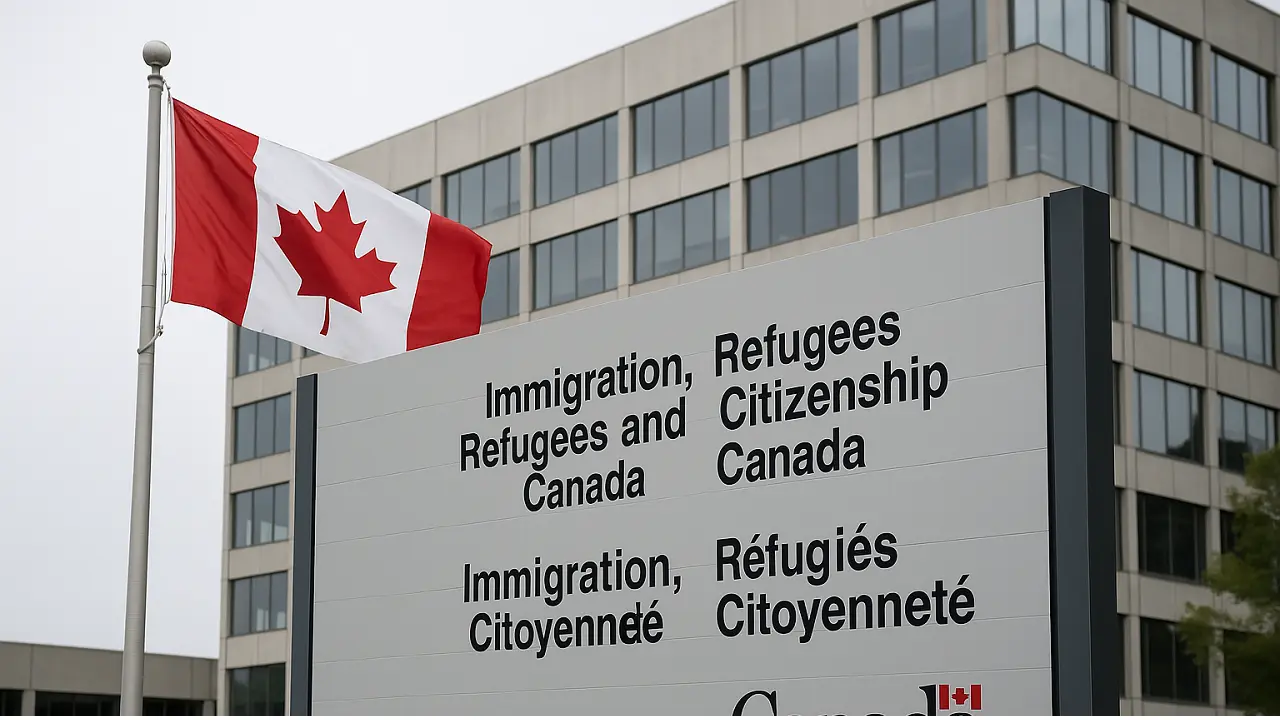
Canada has outlined a family sponsorship pathway that allows eligible citizens and permanent residents to bring certain orphaned relatives into the country as permanent residents.
The programme covers five categories of relatives: orphaned brothers, sisters, nephews, nieces and grandchildren. However, applicants must satisfy strict eligibility conditions before they can benefit from the arrangement.
According to information published by the Canadian government, the sponsorship category is specifically designed for orphaned children under the age of 18 who have lost both parents and meet other family and marital status requirements.
For Nigerians with relatives in Canada, the provision offers a possible route to family reunification, provided the sponsor and the child meet the applicable immigration rules.
5 orphaned relatives eligible for Canadian permanent residence sponsorship
Canadian citizens and permanent residents may be able to sponsor the following orphaned relatives under this pathway:
- Orphaned brothers: A sponsor may qualify to bring an underage brother who has lost both parents.
- Orphaned sisters: An eligible sponsor can also apply for an orphaned sister who meets the programme’s conditions.
- Orphaned nephews: Children who are the sponsor’s nephews may qualify if they satisfy the eligibility rules.
- Orphaned nieces: An orphaned niece may also be sponsored through this family reunification route.
- Orphaned grandchildren: Eligible sponsors may apply to bring orphaned grandchildren to Canada as permanent residents.
The relationship must be established through blood or adoption. Being related to a Canadian citizen or permanent resident does not automatically qualify a child for sponsorship.
Four conditions orphaned relatives must meet
The Canadian government has established four conditions that must all be satisfied before an orphaned relative can qualify.
1. The child must be related to the sponsor by blood or adoption
The applicant must have a recognised family relationship with the person sponsoring them.
The relationship must be through blood or adoption, and the sponsor must be able to establish the connection when submitting the application.
2. The applicant must be under 18 years old
Only children below the age of 18 qualify under this specific orphaned-relative sponsorship category.
An orphaned relative who has already turned 18 cannot use this pathway, even if they meet the other conditions.
READ ALSO
Planning to Work in Germany? 3 Workplace Benefits Foreign Workers Can Enjoy
Want to Work in Australia? 279 Occupations Face Worker Shortages in 2026
3. Both parents must be deceased
The child must have lost both parents to qualify.
This is one of the most important requirements because the sponsorship category is specifically intended for orphaned minors rather than children who are separated from their parents for other reasons.
4. The child must be single
The applicant must not be married or in a common-law partnership.
All four conditions must be met. Satisfying only some of them is not enough to establish eligibility.
Situations that can disqualify an orphaned relative
Canada has also identified circumstances that make a child ineligible for this sponsorship category.
A child will not qualify if one or both parents are still alive, regardless of whether the parents are available to provide care.
Other disqualifying situations include:
- The whereabouts of one or both parents are unknown.
- The parents have abandoned the child but have not been confirmed dead.
- Another person is caring for the child while one or both parents are still alive.
- One or both parents are imprisoned or detained by authorities.
This distinction is important for families considering the programme. A child who has lost contact with their parents, been abandoned or left without a practical caregiver does not automatically meet Canada’s definition of an orphan for this sponsorship route.
Can Nigerians in Canada sponsor orphaned relatives?
Nigerians who are Canadian citizens or permanent residents may explore this pathway if they have eligible orphaned brothers, sisters, nephews, nieces or grandchildren.
However, the sponsor must satisfy the applicable sponsorship requirements, while the child must meet all four conditions.
Applicants should also prepare documents that establish the family relationship, the child’s age, the death of both parents and their marital status.
The Canadian immigration authorities assess applications based on the relevant rules and supporting evidence. Families should consult the official immigration guidance before submitting an application to confirm the sponsor’s eligibility and the required documentation.
Frequently Asked Questions
1. Can I sponsor my orphaned nephew to Canada?
Yes. A Canadian citizen or permanent resident may be able to sponsor an orphaned nephew under this pathway if the child is under 18, has lost both parents, is single and is related to the sponsor by blood or adoption.
2. Can I sponsor my orphaned niece to Canada?
Yes. Orphaned nieces are among the five categories of relatives covered by the sponsorship provision, provided they meet all the eligibility conditions.
3. Can I sponsor an orphaned relative who is over 18?
No. The child must be under 18 years old to qualify under this specific sponsorship category.
4. Can I sponsor a child whose parents abandoned them?
Not under this pathway if the parents are still alive or have not been confirmed dead. Abandonment alone does not satisfy Canada’s orphaned-relative requirement.
5. Can a Canadian permanent resident sponsor an orphaned grandchild?
Yes. Permanent residents, as well as Canadian citizens, may be eligible to sponsor an orphaned grandchild who meets the programme’s requirements.
6. Does sponsoring an orphaned relative automatically guarantee Canadian permanent residence?
No. The applicant and sponsor must meet the relevant immigration requirements, and the application must be assessed and approved by Canadian immigration authorities.