
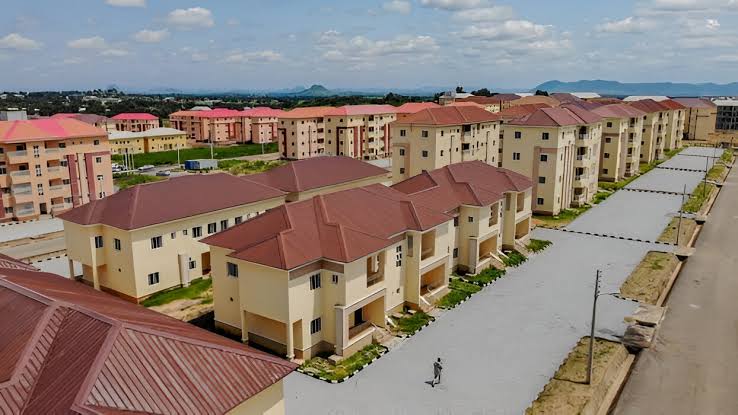
Although Nigerians can use the Federal Government-backed ₦100 million mortgage to purchase homes, selling a property before completing repayment raises important questions about the outstanding loan and the lender’s rights.
The Federal Government’s ₦100 million housing mortgage offers eligible Nigerians an opportunity to purchase residential properties through long-term financing.
The programme, operated under the Ministry of Finance Incorporated Real Estate Investment Fund (MREIF), provides mortgages at an interest rate of 9.75 per cent per annum, with repayment periods of up to 20 years.
However, some beneficiaries may eventually want to sell their properties. This could happen because of relocation, financial difficulties, a change in family circumstances or an opportunity to purchase another house.
But can someone who buys a house through the government-backed mortgage sell it before completing repayment?
Can Nigerians sell houses bought through the FG mortgage?
Yes, selling a property is possible in principle, but a borrower cannot treat a mortgaged house like a property with an entirely unrestricted title.
Under the MREIF arrangement, the participating financial institution provides the mortgage financing. The property serves as security for the loan.
For example, Stanbic IBTC Bank states in its MREIF mortgage information that a legal mortgage on the financed property serves as collateral.
This means the lender has a legal interest in the property until the mortgage obligations are settled or otherwise dealt with under the loan agreement.
Consequently, a borrower who wants to sell the house must first consider the outstanding debt and the lender’s rights.
Read also: FG’s ₦100m Mortgage: Can Nigerians Use It to Buy Land or Build Houses?
Can you sell the house before completing the mortgage repayment?
A borrower should not assume they can independently transfer a mortgaged property to another buyer while the loan remains outstanding.
The mortgage agreement and applicable property laws determine the conditions for dealing with the property.
In a typical mortgage transaction, the lender must be involved in arrangements that affect its security. This may include a sale in which the outstanding loan is paid from the proceeds before the lender releases its interest.
For instance, someone who bought a house for ₦50 million through the mortgage but still owes the bank ₦30 million cannot simply ignore that debt when negotiating a sale.
The outstanding balance must be addressed as part of the transaction. The buyer and seller would also need to follow the lender’s requirements for releasing the mortgage and transferring the property.
Importantly, ARM’s published MREIF frequently asked questions do not provide a specific programme-wide resale procedure. Borrowers should therefore check their individual mortgage agreements and obtain written guidance from their lenders before making arrangements.
What happens to the outstanding loan when you sell?
The sale proceeds may be used to settle the outstanding mortgage, subject to the lender’s approval and the agreed transaction process.
For example, if a borrower sells a property for ₦60 million but owes the bank ₦25 million, the outstanding debt must be settled before the lender releases its security.
The remaining amount, after the mortgage and applicable transaction costs are settled, may go to the seller.
However, the actual figures will depend on the outstanding principal, accrued interest, fees and the agreed sale price.
Borrowers should request an official settlement figure from their financial institution before negotiating a sale. This helps them understand how much they must repay and what amount may remain after the transaction.
Read also: FG Approves ₦10 Billion Housing Loan Scheme for Civil Servants
Can a borrower repay the mortgage early before selling?
Yes. Some participating lenders allow borrowers to repay their mortgage before the agreed maturity date.
Stanbic IBTC Bank’s MREIF frequently asked questions state that customers can prepay or partially liquidate their facilities without a penalty.
This option could help a homeowner settle the outstanding balance before selling the property.
However, borrowers should confirm the applicable settlement process and any outstanding charges with their own lender. Conditions may differ between participating financial institutions.
A borrower should also obtain confirmation that the lender has released its legal interest before completing the transfer of ownership.
Can someone else take over the FG mortgage?
A prospective buyer may be interested in purchasing a property while the original borrower still owes the bank.
However, this does not automatically mean the buyer can take over the existing mortgage.
Any arrangement involving a change of borrower, transfer of the mortgage or replacement of the original borrower would require the lender’s approval and compliance with its credit and legal requirements.
The buyer may need to undergo a fresh assessment of income, creditworthiness and repayment capacity.
Neither the MREIF programme’s public FAQ nor the published Stanbic IBTC information establishes an automatic mortgage-transfer arrangement for buyers.
Therefore, sellers should not promise a buyer that they can simply inherit the existing repayment plan without first obtaining the bank’s confirmation.
Read also: ₦10m FG Tertiary Institutions Staff Support Fund: How to Apply
What should Nigerians check before selling a mortgaged house?
Before putting a property bought through the FG-backed mortgage up for sale, borrowers should take a few steps.
First, review the mortgage agreement to understand restrictions on selling or transferring the property.
Second, contact the participating financial institution and request its written requirements for a sale.
Third, obtain an updated statement showing the outstanding loan balance and the amount required for full settlement.
Finally, involve a qualified property lawyer to review the transaction, the mortgage release and the documents required to transfer ownership.
These steps can help prevent disputes between the seller, buyer and lender.
What Nigerians should understand
The FG-backed MREIF mortgage does not mean a borrower loses every right to sell a house purchased through the programme.
However, the property serves as security for the mortgage, so the lender’s interest must be addressed before ownership can be transferred free of that security.
Anyone considering a sale should first review their loan agreement, obtain the lender’s approval where required and establish how the outstanding debt will be settled.
The most important point is that buying a house through a mortgage creates a repayment obligation. Selling the property does not automatically cancel that obligation.