
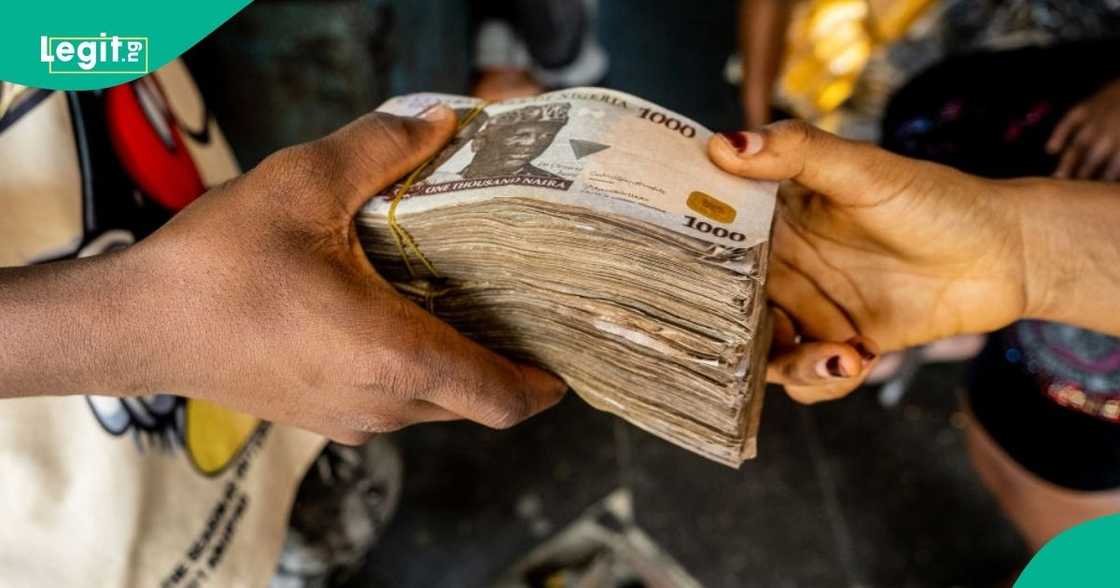
Nigerians selected for the Federal Government’s ₦50,000 relief programme may receive a notification without immediately seeing the money in their accounts or mobile wallets.
The development has raised questions among beneficiaries of the National Emergency Relief and Stabilisation Intervention (NERSI), particularly those who have received messages from authorised payment providers but are still waiting to access their funds.
The Federal Ministry of Humanitarian Affairs and Poverty Reduction has explained that the payment process involves several stages, beginning with beneficiary notification and consent before the money is credited.
According to the ministry’s official NERSI frequently asked questions, receiving a selection SMS does not necessarily mean the money has already been deposited.
Here are six issues beneficiaries should understand.
1. Receiving an SMS is not the same as receiving payment
The first stage of the NERSI process involves notifying selected beneficiaries.
The message comes from one of five authorised payment providers: ALAT by Wema Bank, MoMo PSB, NairaGram, OPay or Moniepoint.
The SMS informs the recipient that they have been selected and provides instructions for accepting the support.
However, the notification itself is not a credit alert.
The ministry says beneficiaries must complete the consent process before payment can be made.
2. Beneficiaries must give consent before receiving money
According to the ministry, beneficiaries are required to accept the offer by following the instructions in their messages.
This may involve replying YES or dialling the designated USSD code.
The government says no payment is made without the beneficiary’s consent.
Consequently, someone who receives the selection SMS but has not completed the acceptance process should not assume that the money has been released.
Beneficiaries should follow only the instructions from their verified payment providers.
3. Wallet activation may still need to be completed
The programme uses mobile wallets linked to beneficiaries’ phone numbers and verified national identity records.
After consent, the designated provider handles the wallet and payment process.
A beneficiary may therefore need to complete the provider’s prescribed steps before accessing the support.
However, the ministry has not stated that every delayed payment is caused by wallet activation.
Anyone who has already accepted but cannot confirm a credit should contact the provider for an account-specific explanation.
4. Payments are made in phases
The Federal Government says NERSI payments are released in batches.
This means beneficiaries are not necessarily contacted or paid at the same time.
The ministry explains that some people may receive notifications earlier than others because different payment providers contact beneficiaries in phases.
However, phased disbursement should not be used to assume that every outstanding payment will arrive on a particular date.
The ministry has not published a universal payment timetable for individual beneficiaries.
5. Technical or transaction problems may require investigation
A beneficiary may encounter difficulties using the provider’s USSD code, checking the wallet or completing a transaction.
The official FAQ advises users whose codes are not working to check their network signal and try again.
If the problem continues, they should contact the provider’s customer support.
A failed USSD session does not automatically mean that the beneficiary has lost the grant.
Similarly, an SMS claiming payment has been made should be checked against the wallet’s actual balance.
6. Some beneficiaries have reported verification and access problems
Payment complaints have also attracted public attention.
In a November 8 report, Premium Times reported that the Socio-Economic Rights and Accountability Project (SERAP) had asked the Federal Government to investigate claims involving payment notifications without accessible funds.
SERAP also raised concerns about recipients reportedly receiving messages indicating that they were not eligible.
These are reported complaints requiring investigation, not proof that every delayed payment involves an administrative error.
What should beneficiaries do if they have not been paid?
Beneficiaries should first confirm that the message came from an authorised provider.
They should then verify whether they completed the consent process and check the wallet through the provider’s official USSD code or application.
If the balance does not reflect the payment, they should contact the designated provider and explain the problem.
For general programme enquiries, the government has provided the NERSI helpline: 0700-022-2222.
Beneficiaries should never pay an agent to accelerate payment or disclose their PIN, OTP or BVN.
The key distinction is that receiving a selection SMS, accepting the grant and having ₦50,000 available for withdrawal are separate stages.