
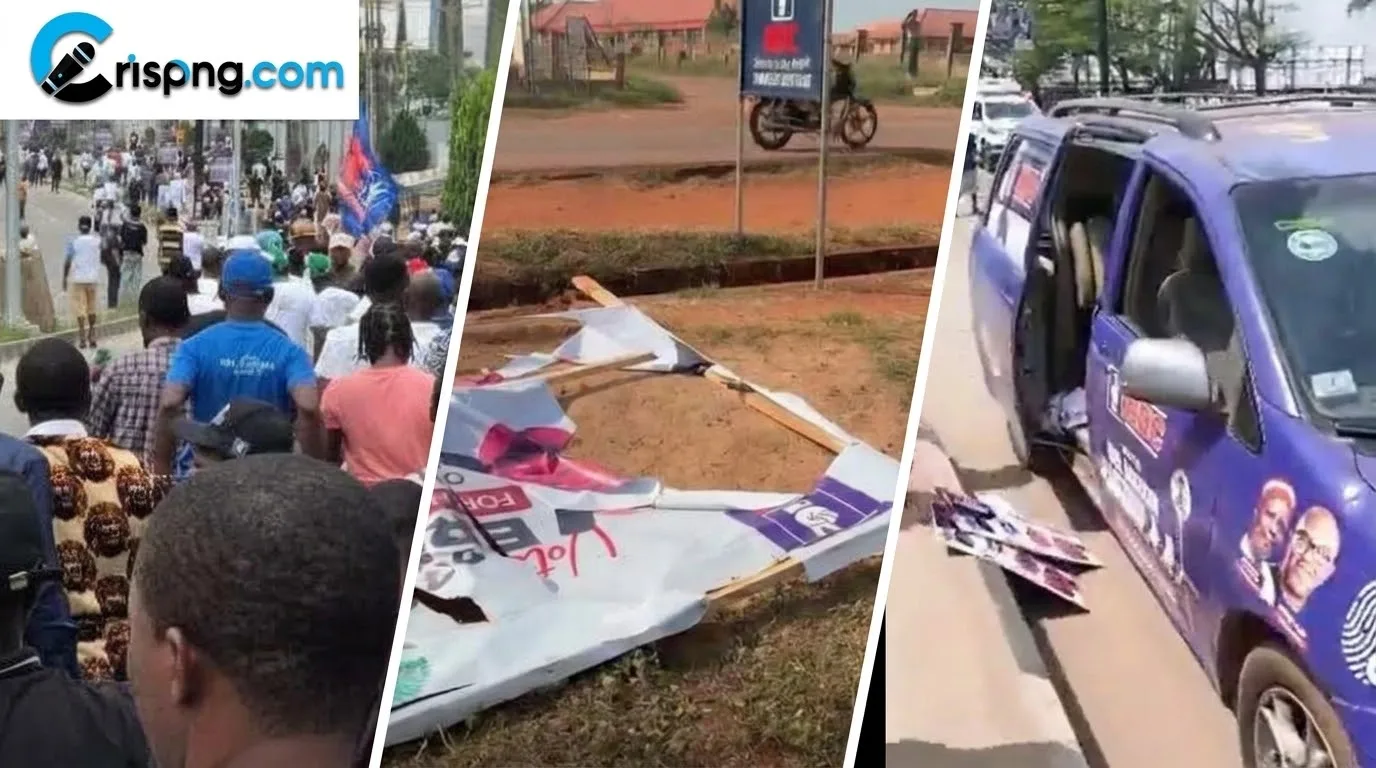
With Nigeria’s 2027 general elections approaching, attacks on political candidates, supporters and campaign gatherings are raising questions about the ability of security agencies to protect democratic participation. From Benue to Lagos, Cross River, Delta and Edo, the incidents keep coming, even as the government says insecurity is improving.
The latest attack happened in Benin City, Edo State, on Wednesday, November 25, as supporters of the Nigeria Democratic Congress (NDC) prepared to receive the party’s presidential candidate, Peter Obi.
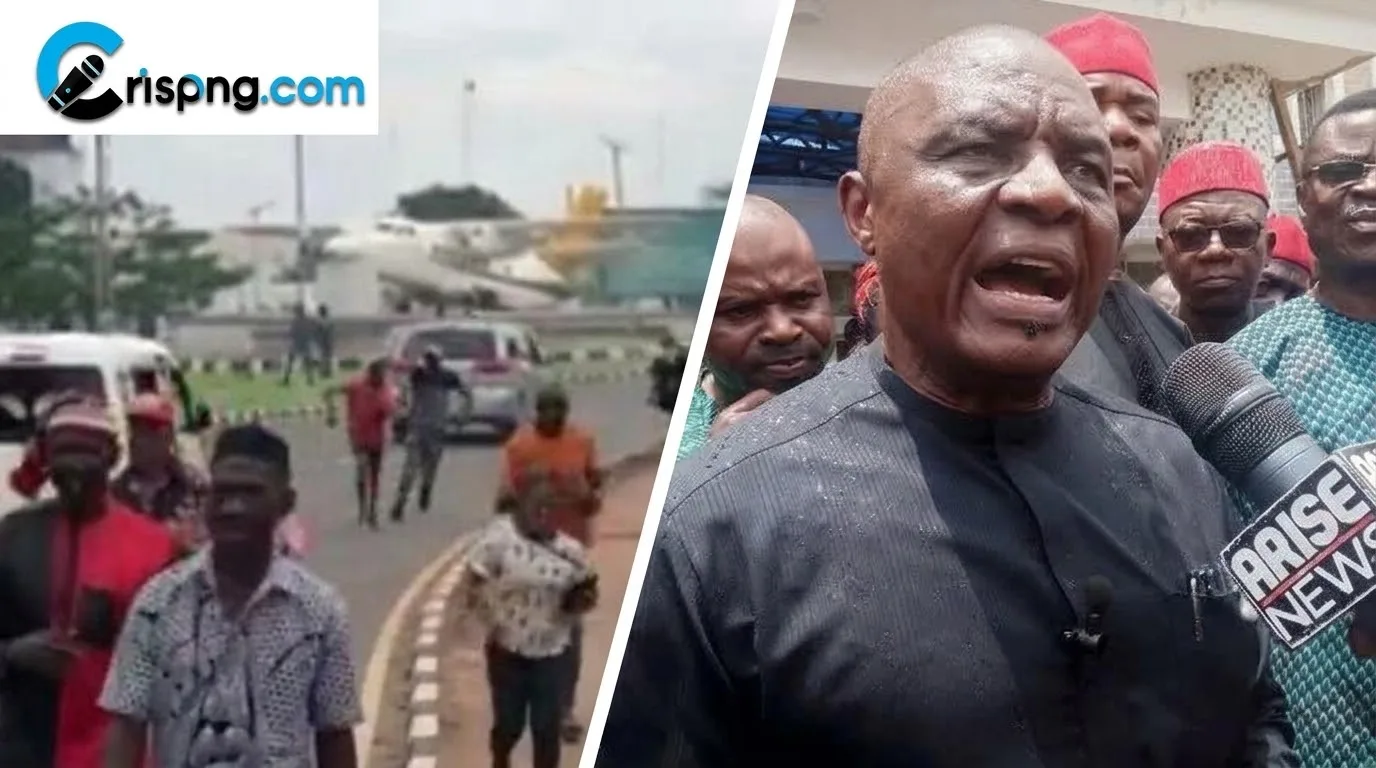
The party alleged that armed men attacked its campaign vehicles along Airport Road, leaving at least one supporter critically injured. The incident reportedly happened despite an earlier warning from the party about a possible disruption.
Videos shared after the incident showed blood stains on vehicles, suspected bullet shells and an injured supporter receiving medical attention. Pulse published footage and details of the attack, while Channels Television also reported the incident.
Watch: Footage from the reported Benin attack.
The incident came barely 48 hours after gunmen attacked the campaign team of former Deputy Senate President Ovie Omo-Agege in Uduere community, Ughelli North Local Government Area of Delta State.
The Nigeria Police Force said preliminary reports indicated that six people died, while several others sustained injuries. Omo-Agege reportedly escaped unharmed.
The police have invited Omo-Agege and five other people for questioning as investigations continue. The Channels Television report contains further details.
Watch: TVC News report on the Delta campaign attack.
Attacks have spread across several states
The latest incidents form part of a wider pattern of violence reported since political campaigns began.
In September, Peter Obi’s convoy was reportedly blocked by a stick-wielding group along Gboko Road in Benue State. The incident prevented him from entering the state at the time.
In October, the convoy of ADC senatorial candidate Herberta Okonofua was reportedly attacked in Edo State. Another attack targeted NDC candidate Rollins Offia-Nwali’s convoy in Ebonyi State, leaving one person dead and three others injured, according to reports.
Obi’s convoy also came under attack in Calabar, Cross River State, on November 4. Assailants reportedly used machetes to damage campaign vehicles. A video of the incident showed people attacking the vehicles as supporters fled.
Watch: Punch’s report and video of the Calabar convoy attack.
Two days later, an attack on NDC supporters during a procession in Asaba, Delta State, reportedly left one person dead and five others injured.
On November 12, suspected thugs disrupted an NDC town hall meeting in Oregun, Lagos. Supporters reported injuries, while vehicles and other property were damaged. Police officers later arrived at the venue.
Watch: Associated Press footage of the Lagos town hall attack.
The attacks have not been limited to the NDC. Reports have also documented violence involving other political parties and candidates, including an attack on the campaign convoy of PDP governorship candidate Isa Pantami in Gombe State.
A Guardian report citing the Centre for Security, Governance and Development said 70 physical election-related attacks occurred across 19 states and the Federal Capital Territory between January 1 and October 27, 2026.
Twenty of those incidents reportedly resulted in 27 deaths.
The figures show that political violence is not simply a dispute between two political camps. It has become a wider security concern involving candidates, party members, supporters and people caught around campaign events.
Read also: Pete Edochie Dies at 79: 7 Roles That Defined His Acting Career
Police presence has not prevented deadly attacks
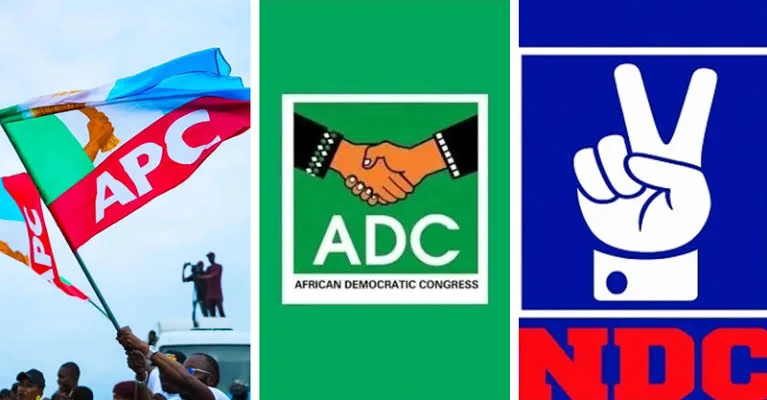
One of the most troubling questions from the Delta incident concerns the conduct of security personnel.
Omo-Agege alleged that police officers were deployed to the campaign venue but failed to intervene when the shooting started. He claimed that six truckloads of policemen were present.
The NDC also accused security personnel of failing to protect its members. It alleged that the problem went beyond the failure to prevent attacks and included possible complicity.
These claims have not been independently established.
However, the police acknowledged the need to examine the conduct of officers deployed to the venue. Inspector-General of Police Olatunji Disu directed an impartial investigation into the sequence of events, including officers’ deployment and actions.
The police also said officers found to have acted negligently or breached professional standards would face disciplinary action.
Following the killings, the Delta State Government imposed a dusk-to-dawn curfew across Ughelli North Local Government Area.
The NDC, however, rejected the police’s invitation to a security meeting convened by the IGP. The party said it would not participate in an engagement that failed to address its concerns about the safety of its members.
The police meeting boycott and investigation have since become part of the wider debate about confidence in security institutions.
Read also: Anthony Clark: 5 Things to Know About the Actor Who Died at 62
Who is sponsoring the attackers?
The NDC has repeatedly accused supporters of the ruling All Progressives Congress (APC) of sponsoring or carrying out attacks against its members.
The party has also demanded investigations into the alleged sponsors, not only the people who physically carried out the violence.
However, accusations against political parties and their supporters must be distinguished from established findings.
In the Lagos incident, for example, the APC’s spokesperson, Felix Morka, rejected allegations linking the ruling party to the attack, citing a lack of evidence.
The October election-environment report by Global Rights also noted that claims about who sponsored attackers remained unproven.
This leaves an important question for investigators: who organised the attacks, who supplied weapons, and who financed the perpetrators?
Arresting people found at the scene may not be enough if those who planned or funded the violence remain unidentified.
The police must establish the identities of the attackers, investigate possible links to political actors and make the findings public. Otherwise, repeated allegations and denials will continue without providing victims with clear answers.
Government says insecurity is improving, but the figures need context
The continued political attacks are also raising questions about government claims that Nigeria’s security situation has improved.
In September, Defence Minister Christopher Musa said Nigeria had defeated terrorism and that attacks were no longer as rampant as before.
He argued that security forces had weakened terrorist groups and pushed them away from some areas. He also said kidnapping had become a more prominent security challenge.
However, a reduction in some forms of insecurity does not automatically mean that Nigerians are safe from other threats.
An October security assessment by EONS Intelligence recorded 519 security incidents nationwide. Although this represented an 11 per cent decline from September, police figures still included 168 banditry incidents, 227 kidnapping cases and 418 homicide incidents.
The figures were reported by The Guardian.
The distinction matters. The overall decline does not establish that every category of insecurity, including banditry, has reduced by the same proportion.
More importantly, political violence is a separate concern. Even if military operations have weakened some armed groups, security agencies must still prevent attacks on campaign gatherings, investigate shootings and protect citizens exercising their political rights.
Read also: Juan Mata Retires: A Look at His Trophy-Laden Career
Why are the attacks continuing despite security promises?
The recurring incidents raise questions about intelligence gathering, preventive deployment and accountability.
In Benin, the NDC said it received intelligence about a possible attack before the incident. The party also called on security agencies to provide protection around its activities.
If authorities received credible information, investigators should establish what action followed and whether the deployment was adequate.
The Delta killings raise a related question about the effectiveness of officers already deployed to a campaign venue. The police investigation must determine whether officers were overwhelmed, poorly positioned, negligent or involved in any wrongdoing.
There is also the question of consequences. Security agencies regularly announce investigations and arrests after political violence. Nigerians need to know how many suspects have been prosecuted, how many cases have reached court and whether alleged sponsors have been identified.
The Global Rights election-monitoring reports have documented attacks on political gatherings, candidates and supporters, alongside incidents involving security agencies. Its findings underline the need to examine both the actions of attackers and the conduct of authorities.
The Electoral Act 2026 also provides legal provisions on political rallies, campaign conduct and threats of force or violence. These provisions mean that political violence should attract legal consequences, not just public condemnation.
With the presidential and National Assembly elections scheduled for January 16, 2027, the remaining campaign period is critical.
The question is no longer only whether security agencies will promise to protect political gatherings. Nigerians need to see whether they can prevent attacks, identify those responsible, prosecute offenders and provide equal protection to political parties.
Without visible accountability, each new investigation risks becoming another announcement before the next attack.