

DV-2026 September 30 deadline: Complete guide for selected applicants

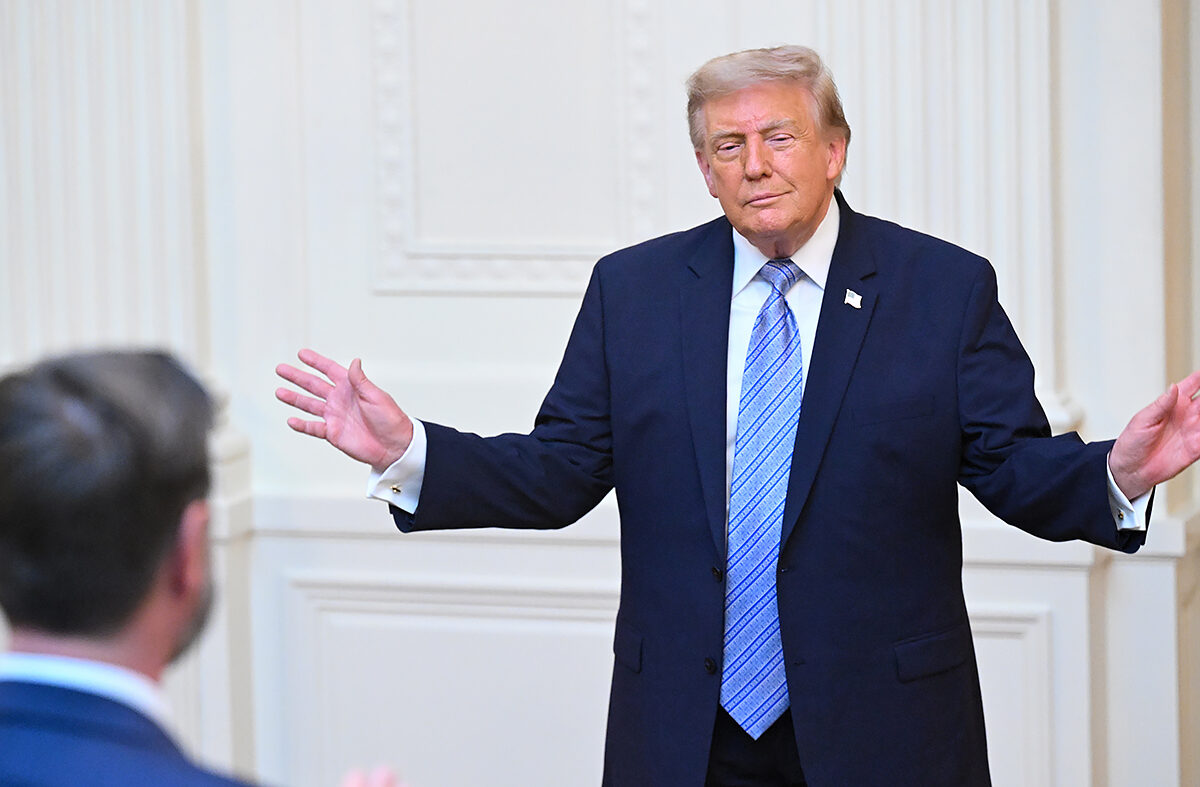
President Trump gestures after speaking in the East Room of the White House, Thursday, July 16, 2026, in Washington, D.C. Image Credit: Saul Loeb/Pool via AP
Being picked in the DV-2026 Diversity Visa lottery is only half the journey. Every selectee, plus any spouse or child hoping to travel with them, must clear the full visa process and either enter the US or get their status adjusted before the program’s fiscal year ends on September 30, 2026. There is no grace period, so this guide lays out exactly what to do, in order, before that window closes.
DV-2026: What applicants must do before September 30 deadline
Step 1: Confirm Your Selection the Right Way
The US government does not call, text, or email selectees directly to announce results. The only official way to check status is through Entrant Status Check on dvprogram.state.gov, using the confirmation number issued at entry along with your last name and year of birth. Screenshot and print your selection notice as soon as it appears, since you’ll need to reference your case number repeatedly through the process ahead.
Selection is not a guarantee. A “You have been selected” message means you’re cleared to begin visa processing, not that a green card is already yours — plenty of selectees are later found ineligible or fail to finish in time.
Step 2: Submit Form DS-260 Immediately
Once confirmed, the next move is completing Form DS-260, the online immigrant visa application, for yourself and everyone accompanying you. Selected individuals follow the instructions posted at dvselectee.state.gov to submit this form, and no supporting documents are required at this stage — those come later, at the interview itself.
Accuracy matters enormously here. A consular officer will later cross-check every DS-260 answer against your physical documents at interview, so mismatched dates, names, or details can trigger delays or denials. Don’t rush this form, but don’t sit on it either — submitting early gives your case time to move through the queue before visa numbers for the fiscal year run out.
Step 3: Understand Your Case Number and the Visa Bulletin
Every selectee is assigned a case number in the format of a region code, program year, and number — for example, an African-region case might read something like AF2026012345. Case numbers determine order: lower numbers are scheduled for interviews first, and each month’s Visa Bulletin publishes the cutoff numbers that determine which cases are current enough for a consulate to schedule an interview appointment.
If your number sits above your region’s current cutoff, you simply wait for the next monthly bulletin, published around the same time each month, to see if the threshold has moved past your number. Selectees with low case numbers who haven’t yet completed their interview should treat the coming weeks as urgent — visa numbers are finite, and once the annual allocation is exhausted, processing for that fiscal year stops, even for people who were selected but hadn’t yet finished their case.
Step 4: Gather Your Interview Documents Early
Because DV cases skip the National Visa Center letter that other immigrant visa categories receive, your appointment notice from Entrant Status Check functions as your equivalent confirmation — bring a printed copy to your interview. Beyond that, a typical document set for a DV interview includes:
- A valid passport for you and each family member travelling with you
- Your DS-260 confirmation page, printed after submission
- Original birth certificate (with certified translation if not in English)
- Police certificates from your current country of residence and any country you’ve lived in for a year or more since turning 16
- Marriage certificate, and divorce or death certificates for any prior marriages, if applicable
- Proof of education (school certificates/diplomas) or evidence of qualifying work experience
- Passport-style photographs meeting US visa photo standards
- Evidence of financial support, such as an Affidavit of Support or proof of sufficient funds
- Your original DV selection notice from Entrant Status Check
It’s also worth bringing a printout of your original selection notification, since it displays your case number and confirms your win even if it isn’t formally requested at the window. Have originals and photocopies of everything — consular staff typically retain copies and hand originals back.
Step 5: Complete the Medical Exam
Every applicant, including accompanying family members, must undergo a medical examination with a physician authorised by the US embassy or consulate handling their case. This isn’t optional and can’t be done through a personal doctor — each consulate maintains its own list of approved panel physicians. Book this appointment as soon as your interview date is set, since results typically need to be sealed and submitted alongside your other interview documents, and appointment slots with panel doctors can fill up during busy periods.
Step 6: Pay the Visa Fee
Diversity Visa applicants pay a fee, historically set at $330 per applicant, separate from any earlier DV entry process (which itself is always free). Some embassies allow or require this to be paid in advance of the interview, while others collect it on interview day itself — check your specific consulate’s instructions rather than assuming, since practices vary by location.
Step 7: Attend Your Visa Interview
At the interview, principal applicants must prove they hold a high school education or its equivalent, or two years of work experience gained within the past five years in an occupation that requires at least two years of training. Consular officers will review your documents, ask questions about your background and intentions, and may approve your case on the spot, request additional administrative processing, or deny it.
If your case needs further review after the interview — for example, additional security checks or missing paperwork — follow up with the consulate promptly. Administrative processing delays do not extend the September 30 cutoff, so the earlier your interview happens relative to the deadline, the more breathing room you have if something needs correcting.
If You’re Already in the US: Adjustment of Status
Selectees who are physically present in the United States with a valid legal status don’t have to go through a consulate abroad — they can instead contact US Citizenship and Immigration Services about applying to adjust their status. This route uses Form I-485 rather than the DS-260/consular interview process, and its timeline can differ meaningfully from consular processing, so anyone considering this path should confirm their eligibility and options directly with USCIS or an immigration attorney rather than assuming the same steps apply.
READ MORE
- Germany’s 31 visa-free work Countries explained: What the rule means for Nigerians hoping to relocate
- Austria needs 64 skilled workers in 2026: What it means for foreigners seeking work and a Visa
- UK student visa 2026: Key requirements and six-month application deadline explained
DV-2026: Watch out for scams
Because the DV program has no cost to enter and doesn’t notify winners by phone, text, or unsolicited email, fraudulent messages claiming to confirm a win are common every cycle. Treat Entrant Status Check on the official dvprogram.state.gov domain as your only reliable source of information about your case, and never pay anyone claiming to “expedite” or “guarantee” a Diversity Visa outcome — no such service exists through legitimate channels.
Once all fiscal-year 2026 visa numbers have been used, or once September 30, 2026 arrives, whichever comes first, the DV-2026 program ends. Selectees who haven’t received a visa or completed a status adjustment by then get no further benefit from their selection, no matter how far along their case had progressed. There’s no appeal process for a missed deadline and no rollover into the following year’s program — anyone still hoping to immigrate this way would need to enter fresh for DV-2027 once that registration period opens.
FAQ on DV-2026
What should DV-2026 selectees do immediately after confirming selection? Submit Form DS-260 through dvselectee.state.gov as soon as possible, since no supporting documents are needed at that stage, and accuracy on the form matters because it will be checked against your documents at interview.
How do I check my visa interview eligibility each month? Compare your case number to your region’s cutoff in the latest Visa Bulletin, published monthly. If your number is below the cutoff, you’re eligible to be scheduled for an interview.
What documents do I need for my Diversity Visa interview? A valid passport, your DS-260 confirmation page, birth and police certificates, marriage/divorce documents if applicable, proof of education or work experience, visa photographs, and financial support evidence, along with your original selection notice.
Do I need a medical exam for DV-2026? Yes. Every applicant, including family members, must complete a medical exam with a panel physician approved by the relevant US embassy or consulate before their interview.
Can I adjust status instead of attending a consular interview? If you’re already lawfully present in the United States, you may be eligible to apply for adjustment of status through USCIS using Form I-485 instead of consular processing abroad — confirm your specific eligibility with USCIS or an immigration lawyer.
What happens if I miss the September 30, 2026 deadline? Your DV-2026 selection becomes void with no further benefit, regardless of how far your case had progressed, and there is no extension or rollover to the next year’s programme.
How much does the Diversity Visa cost to process? The visa application fee has typically been $330 per applicant, paid either in advance or on interview day depending on the consulate; the original lottery entry itself remains free.