

DSS DG Called Journalists “Professional Colleagues” – History Says Otherwise

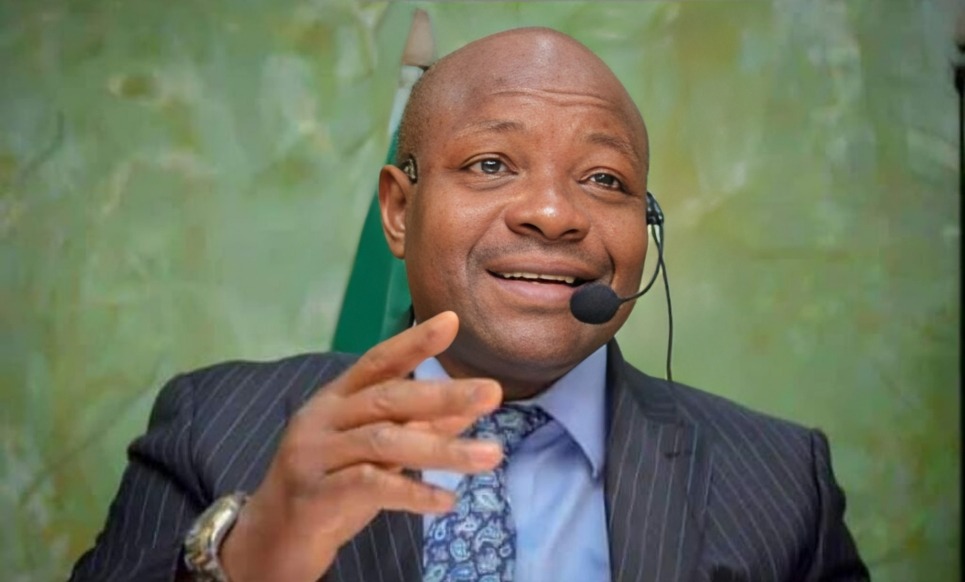
When the Director-General of the Department of State Services was asked whether his new no-arrest policy for civil matters extends to journalists, he did not just say yes. He went further, calling reporters “professional colleagues” who do essentially the same job as the DSS. For an agency with a long list of journalists it has arrested, detained without trial, or dragged through terrorism charges, that line needed more scrutiny than it got.
What Ajayi Said About Journalists
Director-General Oluwatosin Ajayi made the comment during a Thursday interview, while explaining a new directive barring DSS operatives from arresting anyone over civil matters. Asked specifically whether that extended to cases involving journalists, he replied, “Yes. I have told my people that there should be no arrest in any civil case. And I’m sure you have found out that, even in cases involving journalists, we would rather approach the court because we do the same job.”
He continued, “I call you guys our professional colleagues. The only difference is that, while you inform the public, we inform the Government. And because we inform the Government, our information is classified until we declassify it.”
It is a strikingly warm framing from an agency that has, for years, treated journalism itself as grounds for arrest.
The History That Makes the Line Hard to Take at Face Value
Jones Abiri, publisher of Bayelsa’s Weekly Source, was seized by DSS operatives in July 2016 and held for two years without trial. He was accused of leading a militant separatist group, an allegation his lawyers said was built on nothing more than a mobile phone left in his office. Abiri later told reporters he was blindfolded, beaten, and kept in an underground cell with dozens of other detainees. The DSS itself argued in court that his detention was justified on national security grounds, the same language now sitting between civil matters and whatever the agency decides is exempt from Ajayi’s ban.
Agba Jalingo, publisher of CrossRiverWatch, was arraigned by the DSS in August 2019 on charges of treason and disturbing the peace, after his outlet reported on an alleged N500m diversion linked to a sitting state government. He was detained for 179 days. Years later, he was arrested again, this time by police, over a separate defamation complaint tied to the same state actors.
Omoyele Sowore’s history with the DSS spans arrests dating back to 2019, most recently a cybercrimes case tied to social media posts about the president, a matter still working through the courts in 2026. The agency has described its handling of that case as evidence of a more restrained approach under Ajayi, choosing prosecution over raw force.
A Real Shift, or a Line for the Room
The cases involving Utomi and SERAP, which Ajayi cited elsewhere in the same interview, suggest the agency has genuinely leaned more on courts in recent disputes. But “professional colleagues” is a different kind of claim. It asks journalists to trust that an agency responsible for some of the country’s most documented press freedom violations has changed its posture toward the profession itself, not just toward two high-profile cases chosen to illustrate a policy.
Whether that trust is earned will not be settled by an interview quote. It will be tested the next time a DSS operative shows up at a newsroom over a story the agency does not like, and whether “we would rather approach the court” holds up outside the room it was said in.