

Congo Ebola response faces a safety test after nurse is killed

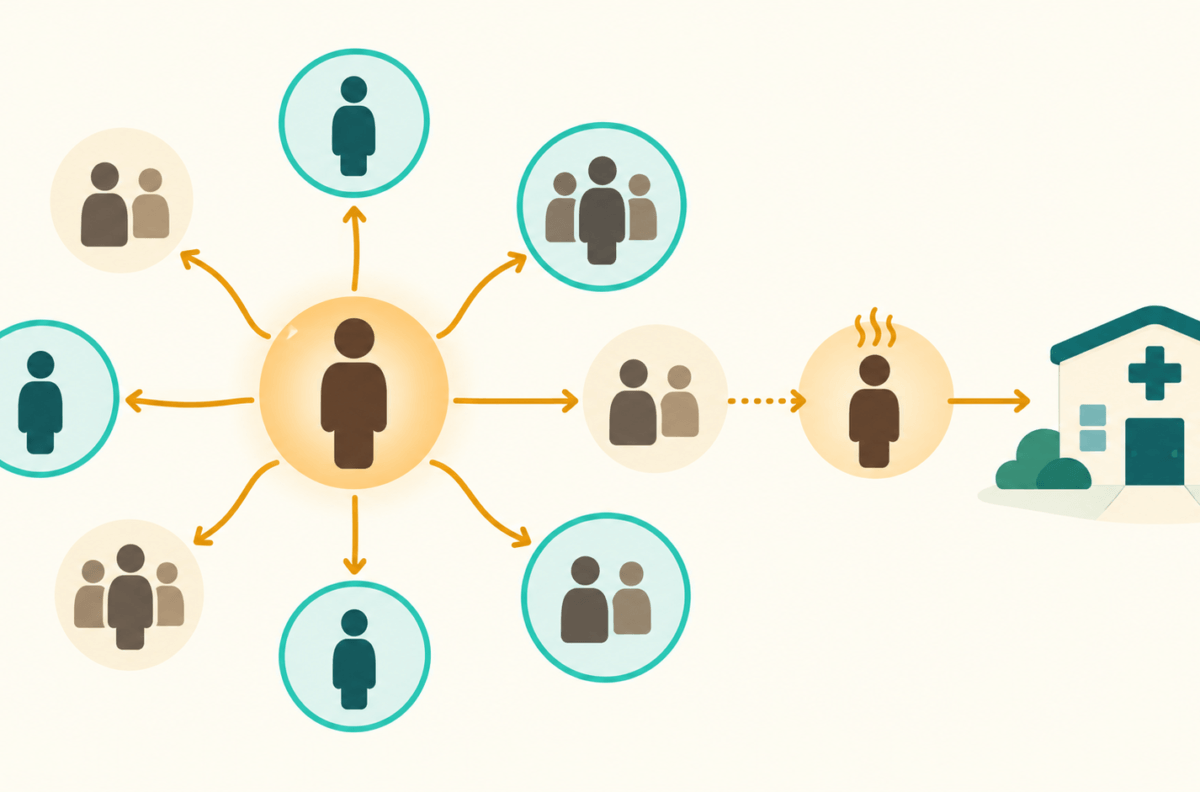
Illustration: a conceptual contact-tracing and care pathway, not an account of a specific patient or actual outbreak cluster. Generated by OpenAI for CrispNG.
A nurse was killed and another health worker was seriously injured while responding to an Ebola alert in Bafwasende, in eastern Democratic Republic of the Congo (DRC), the World Health Organization told the Associated Press. The attack, reported on Saturday, October 24, puts the safety of response teams at the centre of a worsening outbreak.
The incident raises a difficult question for the Congo Ebola response: can teams reach communities, investigate alerts and support patients without being targeted?
Featured image: A conceptual contact-tracing illustration, not a depiction of Bafwasende or the attack.
What is known about the attack
WHO Director-General Tedros Adhanom Ghebreyesus said the nurse died and the injured worker remained in hospital. The attack happened in Bafwasende, Tshopo province. The AP reported that local authorities had not publicly identified suspects or commented on the incident when its report was published.
Local reporting said attackers accused the workers of spreading Ebola by contaminating a water source. That allegation has not been established as fact. The UN’s Ebola response coordinator condemned the killing and called for an investigation, according to local reporting on the UN statement.
Why worker safety matters to the Congo Ebola response
In its October 23 update, WHO counted 9,704 confirmed cases and 4,687 deaths across eight DRC provinces as of October 20. The agency said 307 of 482 deaths reported since its previous update occurred in communities, highlighting delays in early detection and access to care.
Those numbers describe the disease outbreak, not deaths from this attack. But they help explain why responders need access and cooperation: finding cases early, supporting treatment and tracing contacts all depend on people being able to work safely.
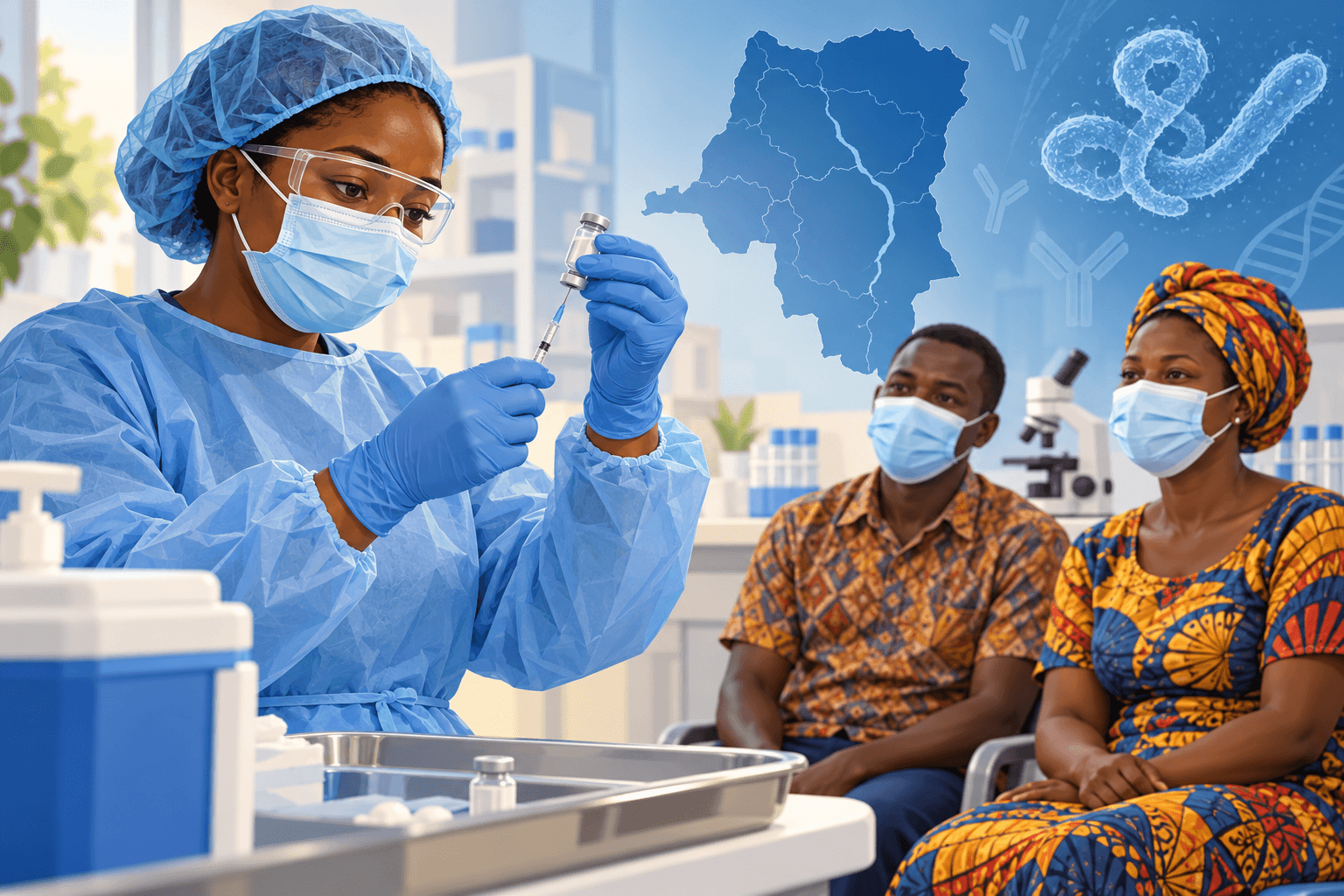
The attack comes amid reports of fear and misinformation around the outbreak. However, the precise motive and the identities of those responsible remain unresolved. It would be premature to treat the water-source accusation as a confirmed explanation.
What happens next
Investigators need to establish what happened and who was responsible. Health authorities and local leaders also face the practical task of protecting response teams while addressing community concerns with clear, trusted information.
For regional context, CrispNG previously examined Nigeria’s public-health response after an imported Ebola case. The WHO’s latest DRC outbreak report sets out the wider case data and response challenges.