

US Court Ruling Reopens H-1B Visa Route for Foreign Workers: 5 Things to Know

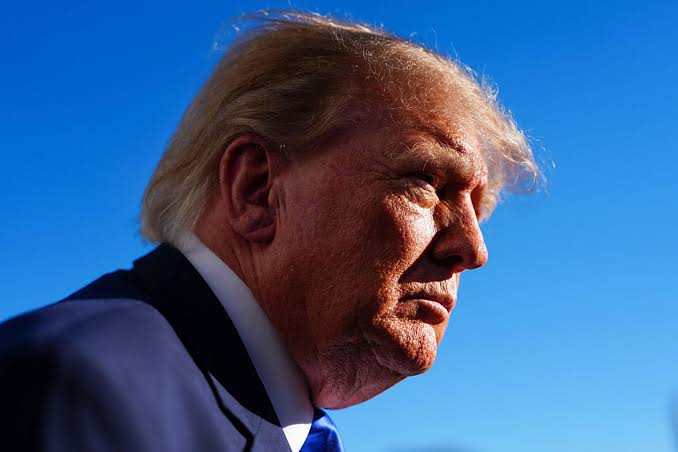
The United States has begun approving some H-1B visa petitions without President Donald Trump’s controversial $100,000 fee following court rulings blocking enforcement of the charge. However, the legal battle continues, and the development does not guarantee approval for every applicant.
Foreign professionals seeking employment in the United States have received some relief after immigration authorities began approving certain H-1B petitions filed without the additional $100,000 payment introduced by President Donald Trump’s administration.
The development follows federal court rulings that blocked enforcement of the controversial fee, which had raised concerns among employers recruiting skilled workers from abroad.
According to recent reporting, some employers whose petitions remained pending after the government failed to act within the applicable premium-processing period have started receiving approvals.
However, the development does not mean that the United States has abandoned its broader H-1B restrictions. The government is challenging the court decisions, leaving the policy’s long-term status uncertain.
Here are five things to understand about the development.
1. What Is the H-1B Visa?
The H-1B visa allows US employers to hire foreign professionals for specialised occupations that generally require at least a bachelor’s degree or equivalent expertise.
The programme is widely used by technology companies recruiting software developers, engineers and other skilled professionals. Employers in other sectors can also use it for qualifying positions.
The regular annual cap is 65,000 visas, with an additional 20,000 places for eligible applicants holding advanced degrees from US institutions.
However, the programme is not an open work permit. Foreign professionals generally need an eligible employer to sponsor a petition, and meeting the programme’s requirements does not guarantee selection or approval.
2. Why Did Trump Introduce the $100,000 Fee?
In September 2025, Trump introduced a $100,000 payment requirement for certain new H-1B petitions involving workers entering through consular processing outside the United States.
The administration defended the measure as a way to discourage employers from relying on foreign workers when qualified Americans were available.
However, the additional charge raised concerns among businesses that depend on international recruitment. Employers argued that the fee could make it prohibitively expensive to hire certain professionals from abroad.
The measure was particularly significant because it was an additional payment, separate from the programme’s existing filing costs.
Trump subsequently extended the policy in September 2026, seeking to keep it in place until September 2027. However, the extension did not resolve the legal challenges against the fee.
3. How Did the Courts Block the Fee?
The fee faced challenges in multiple federal courts.
In June 2026, a federal judge in Massachusetts ruled against the government’s implementation of the payment requirement. The government subsequently sought to pause the ruling while appealing, but the US Court of Appeals for the First Circuit declined to grant that request in July.
A second federal judge, Haywood Gilliam Jr., in California blocked enforcement of the fee on September 30. The judge found that federal agencies had failed to follow required rulemaking procedures before implementing the payment requirement.
The two decisions created significant obstacles to enforcement, despite the administration’s attempt to extend the policy.
However, the legal dispute remains unresolved. The government continues to challenge the rulings, meaning the fee’s longer-term status could change as the appeals proceed.
4. Which Foreign Workers Could Benefit?
The immediate benefit is for employers seeking to sponsor eligible foreign professionals without paying the disputed additional $100,000 fee where the court orders prevent its collection.
Some employers whose petitions remained pending have reportedly begun receiving approvals. This could encourage businesses to reconsider candidates they previously excluded because of the additional cost.
Foreign professionals currently outside the United States may benefit if their employers can proceed with eligible petitions under the current legal framework.
However, the development does not automatically approve every application. Employers must still satisfy the H-1B programme’s requirements, and petitions remain subject to immigration authorities’ assessment.
Applicants should also distinguish between petition approval and permission to travel or begin work. Depending on their circumstances, workers may still need a valid visa, consular processing and the necessary authorisation before taking up employment in the United States.
5. Why the H-1B Fee Dispute Is Not Over
Although the recent court decisions have blocked enforcement of the disputed payment under the challenged policies, the Trump administration has not abandoned its position.
The government is pursuing appeals, while a separate legal challenge concerning the fee has produced a different outcome. This means the broader legal position remains contested.
There is also a separate proposal from the Department of Homeland Security for a fee of approximately $103,000 for certain H-1B petitions. That proposal is distinct from the existing $100,000 payment requirement and should not be treated as an active fee without confirmation that it has been finalised and taken effect.
For employers and prospective applicants, the practical lesson is to monitor official immigration guidance rather than assume the current position will remain unchanged.
What This Means for Nigerians Seeking US Jobs
Nigerian professionals hoping to work in the United States could benefit from the easing of this particular financial barrier if they qualify for H-1B sponsorship.
However, the ruling does not create a new visa category for Nigerians or remove the existing eligibility requirements. Applicants still need a qualifying job and an employer willing to sponsor their petition.
The immediate development is therefore a potential reduction in the cost of sponsoring certain foreign workers, not a blanket opening of the US labour market.
For now, employers and applicants should establish whether their specific petitions fall within the scope of the court orders and check the latest guidance from US immigration authorities before making financial or travel commitments.