

China Denies Giving Iran Intelligence Before Strike that Killed US Troops

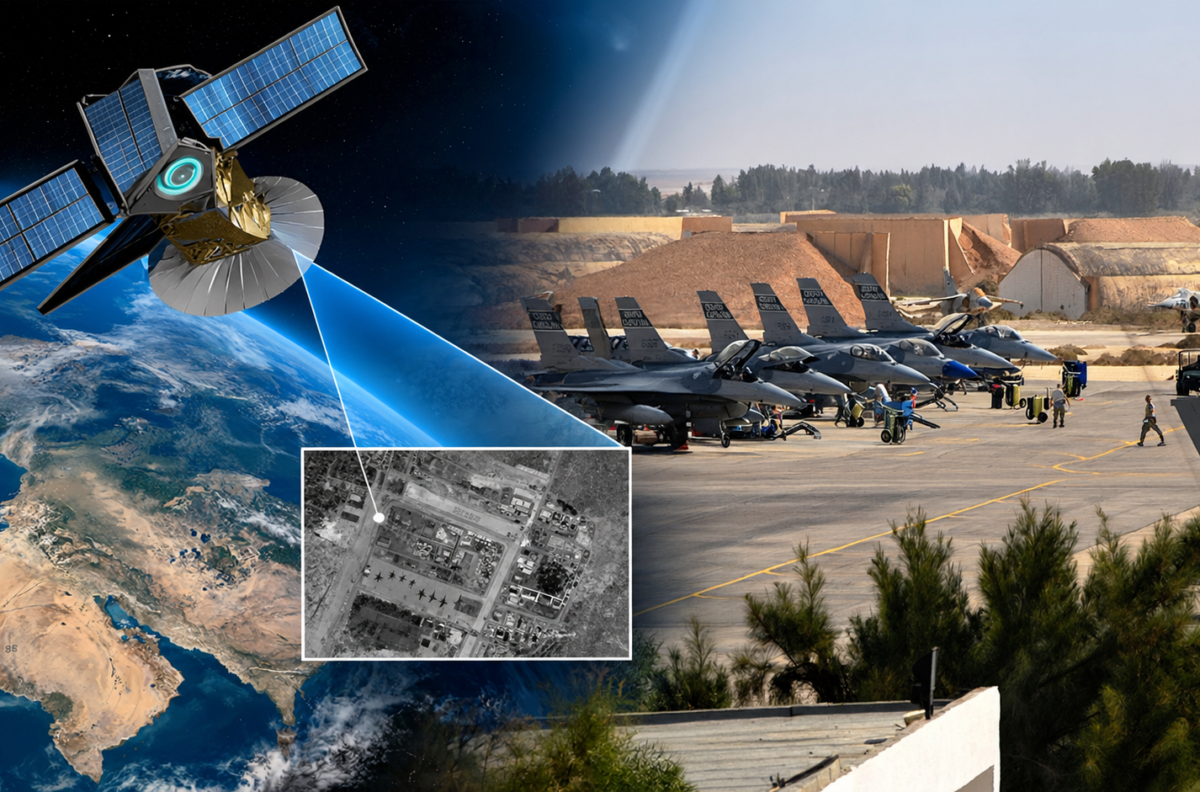
China has rejected allegations that Chinese entities provided Iran with satellite imagery used in a missile attack on a US military base in Jordan that killed three American troops.
The allegation, reported by The Wall Street Journal and attributed to US officials familiar with the matter, has added another layer to the growing tensions between Washington and Beijing as the United States continues its confrontation with Iran.
The officials said Iran obtained high-resolution satellite images of the Muwaffaq Salti Air Base in Jordan from Chinese entities before and after the July 17 attack.
However, the US has not accused the Chinese government of directly ordering, approving or coordinating the attack. The specific Chinese entities allegedly involved have also not been publicly identified.
What happened at the Jordan base?
Iran launched ballistic missiles at the Muwaffaq Salti Air Base in northeastern Jordan on July 17.
The base hosts US forces, and the missiles struck an area where American troops were sleeping.
Three US Army soldiers were killed and four others were wounded in the attack.
The incident was particularly significant because it demonstrated Iran’s ability to strike a location hosting American personnel and raised questions about how Tehran obtained sufficiently detailed information about the base.
US officials now believe satellite imagery obtained from Chinese entities was connected to the attack.
According to the Wall Street Journal report, Iran acquired imagery both before and after the strike. The pre-attack imagery could potentially have provided information about the location and layout of the base, while imagery obtained afterwards could have been used to assess the damage caused by the attack.
What is China denying?
Beijing has rejected the accusations.
Chinese officials have demanded evidence of the alleged transfer and have maintained that China’s cooperation with Iran is consistent with international law.
China’s Foreign Ministry has also accused unnamed parties of attempting to link Beijing to the conflict through what it described as unfounded or malicious claims.
That distinction is important.
The allegation is currently about Chinese entities, rather than proof that the Chinese government directly supplied Iran with intelligence for the attack.
US officials have not publicly identified the companies involved, and available reporting does not establish that Chinese leaders ordered the imagery to be provided specifically for the July attack.
Why would satellite imagery matter?
Modern satellite imagery can provide military planners with detailed information about bases, aircraft, vehicles, buildings and other infrastructure.
High-resolution images can also help determine changes at a military facility over time.
For Iran, obtaining detailed images of a US base could therefore provide another source of information for planning or assessing military operations.
The US has previously accused Chinese satellite companies of helping Iran improve its ability to target American forces.
Washington sanctioned three Chinese satellite companies in May over allegations that their imagery was supporting Iran’s military operations.
The latest allegation is more serious because US officials say they have linked Chinese-provided imagery to an attack in which American troops were actually killed.
Is China helping Iran militarily?
The latest development does not establish that China is directly participating in Iran’s attacks against US forces.
Instead, it raises questions about whether Chinese commercial or satellite-related entities are providing Iran with technology or information that can improve its military capabilities.
That distinction is likely to remain important as Washington investigates the source of Iran’s intelligence.
The United States has also been concerned about whether foreign assistance could help Iran track American military assets elsewhere in the region.
US officials are reportedly examining whether Chinese data could help Tehran monitor American warships, raising concerns that satellite and other intelligence capabilities could become an increasingly important part of the conflict.
Why does this matter for Trump and Xi?
The allegation comes at a sensitive time for US-China relations.
US President Donald Trump and Chinese President Xi Jinping are expected to meet in Washington on September 24, although the meeting has not been fully confirmed by Beijing.
The satellite-imagery controversy could therefore add another difficult issue to the discussions between the two leaders.
Trump has so far played down the significance of the report.
Asked whether he would raise the matter with Xi, Trump compared Chinese surveillance activities with those carried out by the United States, saying that both countries engage in spying. He also said he believed Washington and Beijing could maintain a good relationship.
What happens next?
The central question is whether Washington can establish exactly which Chinese entities allegedly supplied the imagery, what information was transferred and whether the companies knew how Iran intended to use it.
For now, the evidence publicly available does not show that Beijing directly ordered or participated in the July attack.
But the US allegation highlights a growing concern: military intelligence is no longer limited to traditional government-to-government exchanges.
Commercial satellites can collect highly detailed information from space, while companies operating those systems can potentially provide data to customers around the world.
If US officials establish that Chinese companies knowingly supplied imagery that helped Iran target American troops, the issue could lead to fresh sanctions or further strain relations between Washington and Beijing.
For China, however, the immediate position remains clear: Beijing denies responsibility and has demanded evidence linking Chinese entities to the deadly attack.