

Canada spousal sponsorship: 3 types of partners who can become permanent residents

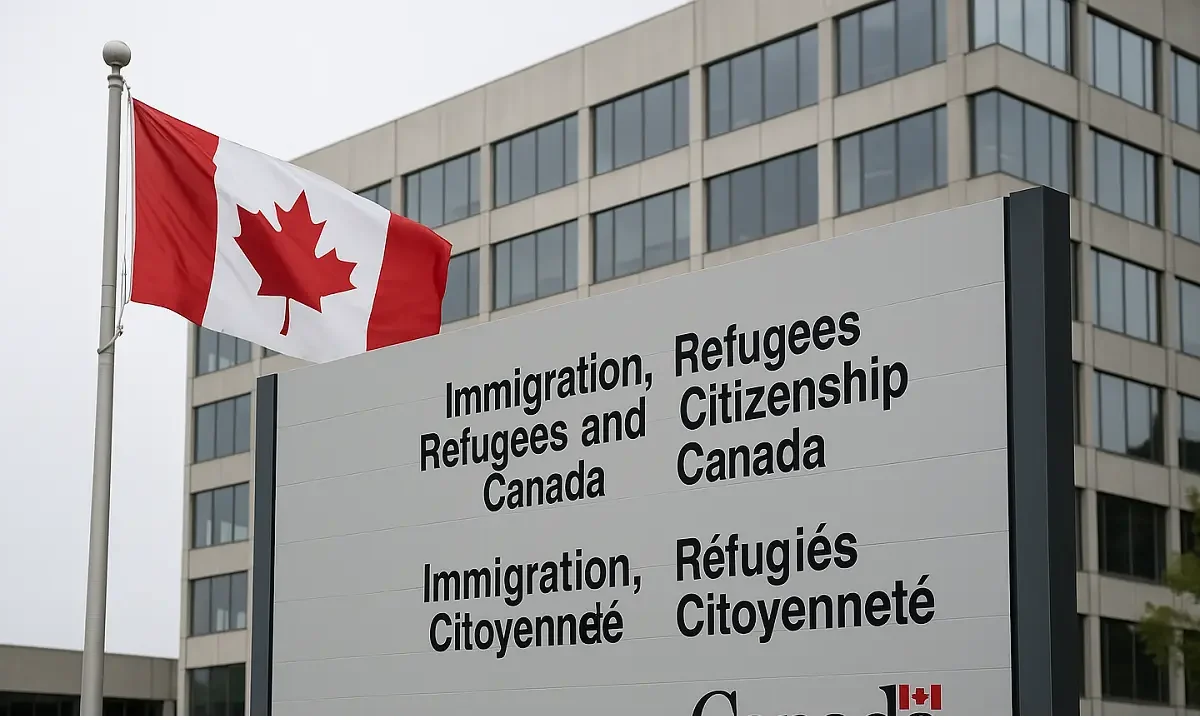
Canada immigration pathways
Canada has outlined three categories of partners who may be sponsored by an eligible Canadian citizen or permanent resident to join them in the country and potentially obtain permanent residence.
The family sponsorship programme recognises legally married couples as well as certain long-term relationships that do not involve a formal marriage.
The three categories are spouses, common-law partners and conjugal partners. Each category has its own requirements, and meeting the definition of one of these relationships does not automatically guarantee permanent residence.
Canada’s immigration authorities also include dependent children within the family sponsorship framework, subject to the applicable eligibility conditions.
1. Spouse
A spouse is a person who is legally married to the sponsor.
This is the most direct of Canada’s three partner categories because the relationship is established through a legally recognised marriage.
For a spousal sponsorship application, the marriage must meet the relevant Canadian immigration requirements. The sponsor and the person being sponsored must also satisfy the other conditions required for family sponsorship.
Being married to a Canadian citizen or permanent resident does not by itself guarantee approval.
2. Common-law partner
Canada also allows eligible common-law partners to be sponsored.
A common-law partner is generally someone who has lived together with the sponsor in a conjugal relationship for at least 12 consecutive months.
The requirement recognises couples who have built a shared life without formally getting married.
Applicants in this category must be able to demonstrate that their relationship meets Canada’s definition of a common-law partnership.
Evidence of a genuine shared household and relationship can be important when authorities assess the application.
3. Conjugal partner
The third category is the conjugal partner.
This category is intended for people in genuine committed relationships who have been unable to live together or marry because of circumstances beyond their control.
Such circumstances can include immigration restrictions, legal barriers or other serious obstacles that prevent the couple from establishing a conventional marriage or common-law relationship.
The conjugal partner category is therefore designed for more unusual circumstances and is not simply an alternative for couples who choose not to marry or live together.
Applicants must demonstrate that their circumstances meet the requirements for this category.
READ ALSO
Australia parent visa: 6 categories subject to strict balance-of-family test
Germany skilled worker residence permit: 2 categories of foreigners who qualify
Canada says eligibility is not automatic
Although Canada recognises these three relationship categories, simply identifying as a spouse, common-law partner or conjugal partner does not automatically lead to permanent residence.
The person sponsoring their partner must also meet Canada’s sponsorship requirements.
The sponsored person must satisfy the relevant immigration requirements before permanent residence can be granted.
This makes documentation and evidence of the relationship an important part of the application process.
What about dependent children?
Canada’s family sponsorship framework also covers dependent children who meet the relevant conditions.
A dependent child may be included in an eligible family sponsorship application, but the child must satisfy Canada’s definition and other immigration requirements.
This means families applying to reunite in Canada need to consider the eligibility of each family member rather than assuming that approval for one person automatically covers everyone.
What the three categories mean for couples
The three categories give couples different routes to family reunification depending on the nature of their relationship.
A legally married couple would generally fall under the spouse category, while couples who have lived together continuously for at least 12 months may qualify as common-law partners.
The conjugal partner route is narrower and is intended for couples who face genuine barriers to marriage or cohabitation.
Understanding the correct category can help couples determine what evidence they need when preparing a sponsorship application.
Can a Canadian sponsor a partner living abroad?
Yes, Canada’s family sponsorship system can apply to eligible partners who are outside Canada, provided the sponsor and applicant meet the relevant requirements.
The process still requires an application and assessment by Canadian immigration authorities.
Applicants should make sure their relationship falls within one of the recognised categories and that all other sponsorship conditions are satisfied before relying on the programme.
Frequently Asked Questions
What are the three types of partners Canada recognises for sponsorship?
Canada recognises spouses, common-law partners and conjugal partners under its family sponsorship programme.
How long must common-law partners live together in Canada?
A common-law relationship generally requires the couple to have lived together in a conjugal relationship for at least 12 consecutive months.
Who qualifies as a conjugal partner in Canada?
A conjugal partner is someone in a genuine committed relationship who has been unable to marry or live with their partner because of circumstances beyond their control.
Does marriage guarantee permanent residence in Canada?
No. Marriage to a Canadian citizen or permanent resident does not automatically guarantee permanent residence. The sponsor and applicant must meet the applicable immigration requirements.
Can a Canadian permanent resident sponsor a spouse?
Eligible Canadian permanent residents can sponsor qualifying family members, including a spouse, subject to Canada’s sponsorship requirements.
Can dependent children be included in family sponsorship?
Yes. Eligible dependent children can be included under Canada’s family sponsorship framework, provided they meet the applicable requirements.