

Germany skilled worker residence permit: 2 categories of foreigners who qualify

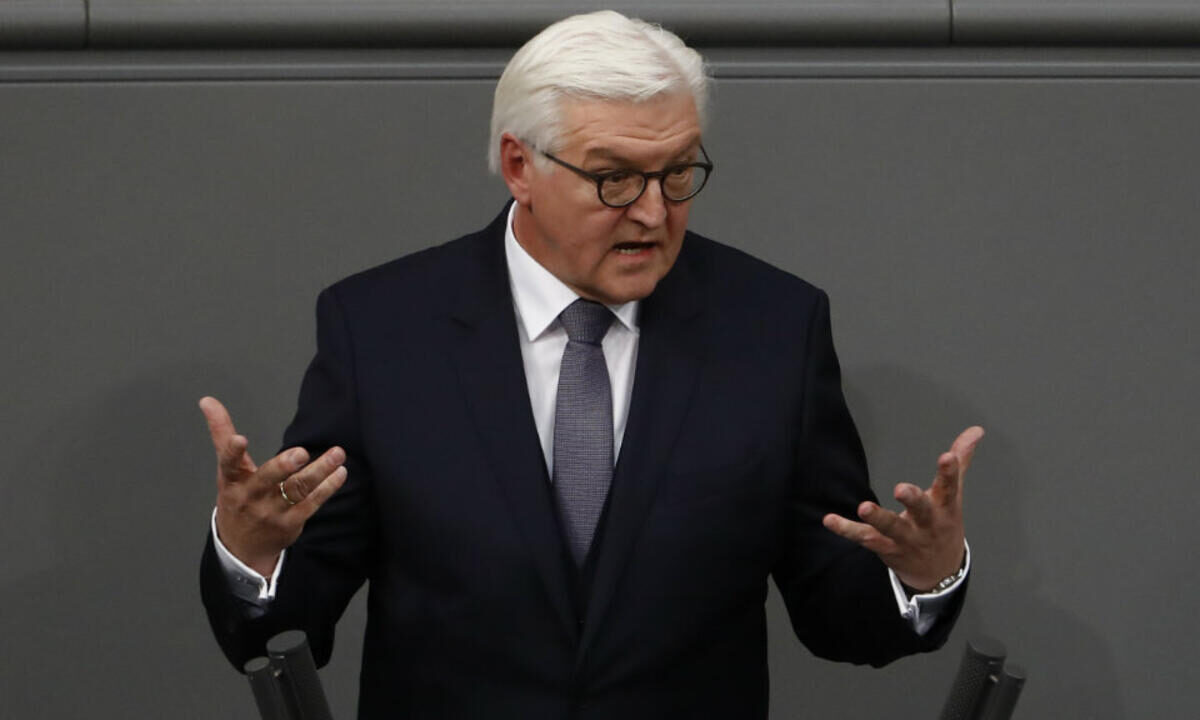
President of Germany, Frank-Walter Steinmeier
Germany has clarified the two main categories of foreigners who can qualify for a residence permit to work as skilled workers, opening routes for people with recognised academic and vocational qualifications.
The rules apply to qualified workers from Germany and abroad, meaning applicants do not necessarily have to have studied or trained inside the country before becoming eligible.
The German government says people who have completed academic studies or qualified vocational training may be eligible for a skilled worker residence permit under certain conditions.
For foreigners planning to move to Germany for employment, the distinction between the two qualification routes is important because each is covered by a different section of the country’s Residence Act.
Two categories of foreigners eligible for Germany’s skilled worker permit
Germany’s skilled worker residence framework covers two broad groups.
The first category consists of foreigners who have completed academic studies. Their qualification may come from a German higher education institution or a recognised university abroad.
The second category covers foreigners who have completed qualified vocational training. This training can also have been completed in Germany or another country, provided the qualification meets the applicable requirements.
The German government states that people in either category may, under certain conditions, qualify for a residence permit to take up qualified employment.
Having one of these qualifications is an important starting point, but it does not automatically guarantee approval.
Applicants must still meet the other requirements attached to the relevant residence permit.
What Section 18a means for skilled workers
Section 18a of Germany’s Residence Act applies to skilled workers with recognised vocational qualifications.
This route is particularly relevant to people whose professional background comes through vocational or technical training rather than a university degree.
Applicants may need to demonstrate that their vocational qualification is recognised or otherwise meets the requirements under German immigration rules.
This can make qualification recognition an important part of the process for workers who completed their training outside Germany.
What Section 18b means for foreign graduates
Section 18b covers skilled workers with an academic qualification.
This route is aimed at people who hold a recognised university degree and want to take up qualified employment in Germany.
A foreign university graduate may therefore be able to pursue a skilled worker residence permit even if the degree was obtained outside Germany, provided the qualification and other conditions satisfy German requirements.
The distinction between Sections 18a and 18b means applicants need to identify the route that matches their educational or professional background.
READ ALSO
7 countries EU considers safe for asylum
Do you have to study in Germany to qualify?
No.
Germany’s skilled worker framework can cover people whose academic or vocational qualifications were obtained abroad.
This is significant for international applicants because completing a degree or professional training outside Germany does not automatically prevent them from qualifying.
The relevant qualification must still meet Germany’s recognition or comparability requirements, alongside the other conditions for the residence permit.
What else must applicants meet?
Having a degree or vocational qualification is only one part of the process.
Applicants may also need to satisfy requirements relating to their employment, qualification recognition, financial circumstances and other immigration conditions.
The specific requirements can vary depending on the applicant’s qualification, job and individual circumstances.
This means prospective workers should not treat possession of a degree or vocational certificate as an automatic approval for residence.
Germany continues to attract international skilled workers
Germany has been expanding opportunities for qualified workers from outside the European Union as it seeks to address labour shortages across different parts of its economy.
The skilled worker residence routes provide a framework through which qualified international workers can seek employment and residence in the country.
For African professionals and graduates considering Germany, the rules mean there are two broad qualification pathways to examine: academic education and recognised vocational training.
Understanding which route applies can help applicants determine what documents and additional conditions they need before beginning the immigration process.
Frequently Asked Questions
Who can get a skilled worker residence permit in Germany?
The main categories include foreigners with recognised academic qualifications and those with recognised qualified vocational training, provided they meet the additional requirements for the relevant residence route.
Can I apply if I obtained my degree outside Germany?
Yes. Academic qualifications obtained abroad can qualify a person for consideration under Germany’s skilled worker residence framework, subject to recognition and other requirements.
What is Section 18a in Germany?
Section 18a of the Residence Act provides a residence route for skilled workers with qualified vocational training.
What is Section 18b in Germany?
Section 18b covers skilled workers with academic qualifications who meet the requirements to take up qualified employment in Germany.
Do vocational workers qualify for Germany’s skilled worker permit?
Yes. People with recognised qualified vocational training can fall under the skilled worker residence route, including those who completed their training outside Germany.
Does having a qualification guarantee a German residence permit?
No. A degree or vocational qualification is only part of the eligibility requirements. Applicants must satisfy the other conditions applicable to their residence route and employment.