

8 Places Where History Feels Surprisingly Alive

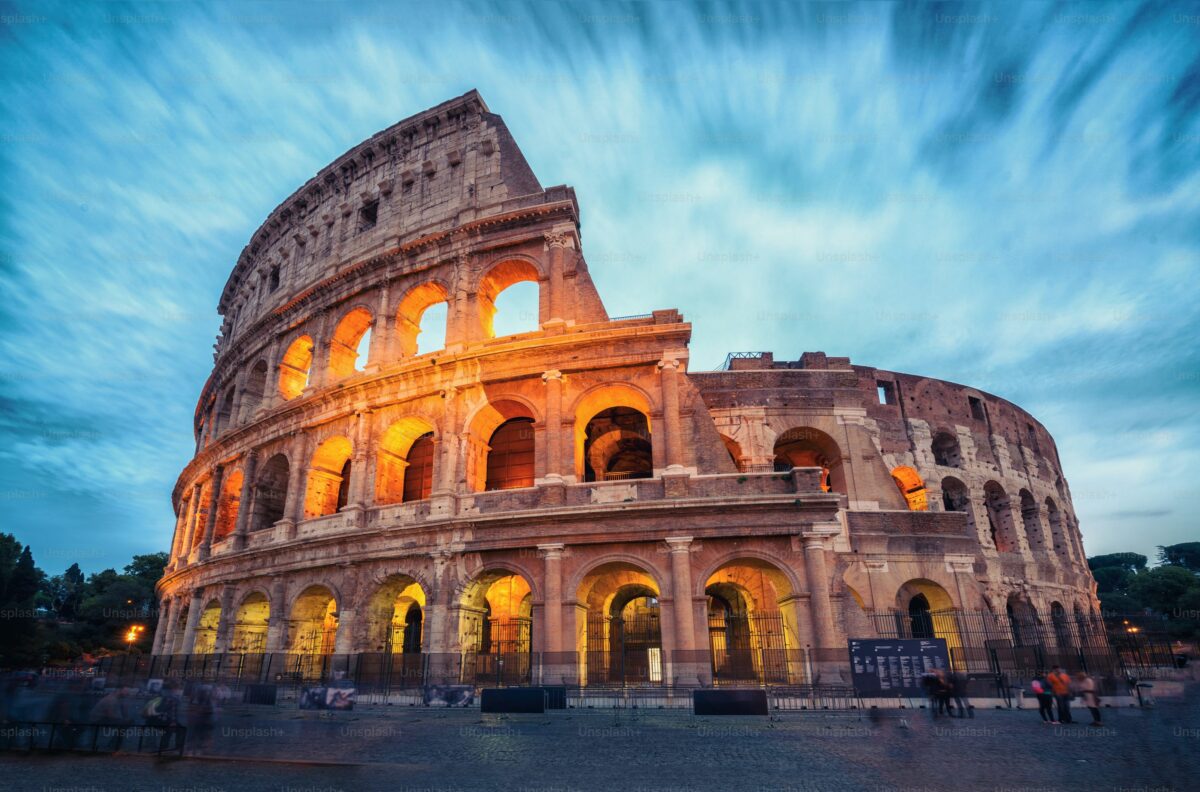
Rome. Image Credit: Getty Images/Unsplash
In an era dominated by technology and rapid modernization, some destinations offer a rare opportunity to step into the past without leaving the present. Across the globe, certain cities, landmarks, and cultural centers have preserved centuries-old traditions, architecture, and ways of life so effectively that visitors often feel as though history is unfolding around them.
These locations are more than museums or archaeological sites. They are living reminders of civilizations, empires, and cultures that continue to shape modern society. For travellers seeking meaningful experiences, these destinations offer a unique chance to connect with the past in a vivid and unforgettable way.
Here are eight remarkable places where history feels surprisingly alive.
1. Kyoto, Japan
Once the imperial capital of Japan for more than a thousand years, Kyoto remains one of the country’s most culturally significant cities. Ancient temples, traditional wooden houses, tea ceremonies, and centuries-old gardens continue to play an active role in everyday life.
Walking through districts such as Gion, visitors can still encounter traditional customs that have been preserved for generations. Rather than existing solely for tourists, Kyoto’s cultural heritage remains deeply integrated into modern Japanese society.
2. Rome, Italy
Few places blend ancient and modern life as seamlessly as Rome. Historic landmarks stand alongside busy streets, cafes, and neighborhoods, creating a city where thousands of years of history remain visible.
From ancient ruins to Renaissance architecture, Rome allows visitors to experience multiple eras within a single day. The city’s enduring influence on law, politics, religion, and architecture continues to make it one of the world’s most important historical destinations.
3. Jerusalem
Jerusalem is one of the oldest continuously inhabited cities in the world and holds profound significance for multiple religions and cultures.
Its historic streets, sacred sites, and ancient walls tell stories spanning thousands of years. For many visitors, the city provides a powerful sense of continuity between the ancient world and modern life, making history feel immediate and deeply personal.
4. Cusco
Often called the historic heart of the Inca civilization, Cusco offers a fascinating blend of indigenous heritage and colonial influence.
Ancient stone structures remain woven into the fabric of the city, while local traditions continue to reflect centuries-old customs. The surrounding region provides additional opportunities to explore the remarkable achievements of one of South America’s greatest civilizations.
READ ALSO
9 Costly Tourist Mistakes That Drain Your Travel Budget Fast
9 Ways Exploring New Places Improves Creativity
5. Fez
The old medina of Fez is frequently described as one of the world’s largest living medieval cities. Narrow alleyways, traditional markets, artisan workshops, and historic schools create an atmosphere that feels remarkably unchanged.
Many crafts and practises have been passed down through generations, allowing visitors to witness cultural traditions that remain active rather than simply preserved for display.
6. Athens
As the birthplace of democracy and a center of classical civilization, Athens remains one of history’s most influential cities.
Ancient monuments continue to overlook modern neighborhoods, reminding visitors of the city’s enduring legacy. Museums, archaeological sites, and cultural events help keep the achievements of ancient Greece connected to contemporary life.
7. Varanasi
Varanasi is often regarded as one of the oldest living cities in the world. Religious ceremonies, spiritual traditions, and daily rituals performed along the riverfront have continued for centuries.
The city’s atmosphere provides a powerful example of how historical and cultural continuity can survive despite dramatic changes occurring elsewhere in the world.
8. Istanbul
Straddling two continents, Istanbul has served as the capital of multiple empires and remains a crossroads of civilizations.
Its historic architecture, bustling markets, religious landmarks, and diverse cultural influences reflect thousands of years of history. Visitors often find that the city offers a unique blend of ancient heritage and contemporary energy unlike anywhere else.
Why Living History Matters for Modern Travellers
Travel experts increasingly note that tourists are seeking deeper cultural experiences rather than simply visiting famous landmarks. Destinations where history remains part of daily life provide opportunities to better understand how civilizations evolved and how their legacies continue today.
Experiencing living history can transform travel into something more meaningful. Instead of merely observing artifacts behind glass, visitors engage directly with traditions, communities, architecture, and stories that have survived across generations.
These eight destinations demonstrate that history is not always confined to textbooks or museums. In some places, it continues to shape everyday life, offering travellers an unforgettable connection to the human story.
FAQ: 8 Places Where History Feels Surprisingly Alive
What does it mean for history to feel alive?
History feels alive when historic traditions, architecture, customs, and cultural practices continue to exist as part of everyday life rather than being preserved only in museums.
Which city is considered the most historic in the world?
There is no single answer, but cities such as Rome, Jerusalem, Athens, Kyoto, and Istanbul are often regarded among the most historically significant due to their long and influential histories.
What are the best destinations for history lovers?
Popular destinations include Rome, Athens, Kyoto, Jerusalem, Istanbul, Fez, Cusco, and Varanasi because they combine historic landmarks with living cultural traditions.
Why do travelers enjoy visiting historic cities?
Historic cities offer opportunities to learn about civilizations, experience cultural heritage, explore unique architecture, and gain a deeper understanding of global history.
What is heritage tourism?
Heritage tourism focuses on visiting places that preserve historical, cultural, and archaeological significance. It allows travelers to connect with the traditions and stories of past generations.
Which city has the most ancient ruins?
Rome, Athens, and Jerusalem are among the cities known for extensive collections of ancient ruins that remain accessible to visitors today.
Are historic destinations suitable for family travel?
Yes. Many historic destinations offer educational experiences, guided tours, museums, cultural events, and family-friendly attractions that appeal to travelers of all ages.
What is a living history destination?
A living history destination is a place where historical traditions, lifestyles, and cultural practices continue to be actively maintained by local communities.
Why is Kyoto famous for history?
Kyoto served as Japan’s imperial capital for over a millennium and remains known for its temples, shrines, traditional architecture, gardens, and cultural traditions.
What makes Rome a unique historical destination?
Rome offers layers of history spanning ancient, medieval, Renaissance, and modern periods, allowing visitors to experience multiple eras within a single city.
Which destination is best for learning about ancient civilizations?
Athens provides insights into Ancient Greece, Cusco showcases Inca heritage, while Rome offers extensive connections to the Roman Empire.
Are UNESCO World Heritage Sites worth visiting?
Many travelers consider UNESCO sites valuable because they preserve places of outstanding cultural, historical, and natural significance.
How can travelers make the most of a historical trip?
Researching local history beforehand, joining guided tours, visiting museums, and engaging with local cultural experiences can enhance understanding and appreciation.
What are the oldest continuously inhabited cities in the world?
Jerusalem, Varanasi, Damascus, Athens, and several other ancient cities are often cited among the oldest continuously inhabited urban centers.
Why is cultural heritage important?
Cultural heritage preserves traditions, stories, values, and achievements that help societies understand their identity and maintain connections with the past.