

2027 Hyundai Tucson: What’s new in Hyundai’s redesigned SUV

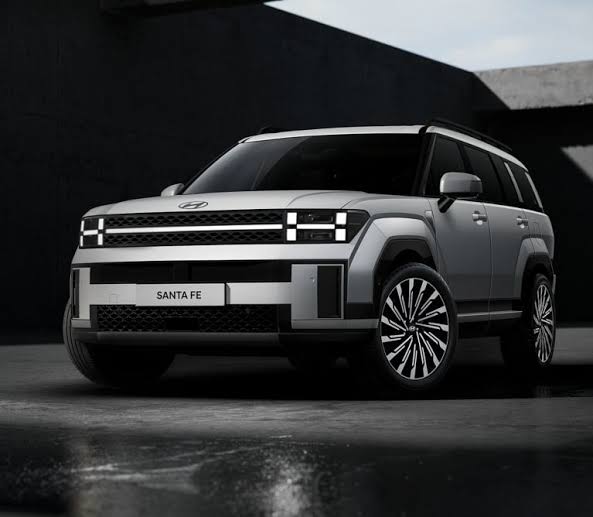
Hyundai has unveiled the fifth-generation Tucson, giving its popular compact SUV a more rugged design, a larger body and a technology-focused cabin as the company prepares to launch the model in South Korea in October.
The new 2027 Hyundai Tucson is the first complete redesign of the nameplate in six years. Hyundai has also introduced a new XRT version, giving the SUV a tougher appearance with additional exterior elements designed around an outdoor-focused character.
The South Korean automaker announced the domestic launch on September 20, saying the new Tucson will be offered with a 1.6-litre turbocharged petrol engine and a 1.6-litre turbocharged petrol-hybrid powertrain. The petrol version uses an eight-speed automatic transmission, while the hybrid is rated at 17.4 kilometres per litre under South Korean testing standards.
A bigger 2027 Hyundai Tucson
One of the most noticeable changes is the size of the new Tucson.
The SUV now measures 4,700 mm in length, 1,905 mm in width and 1,685 mm in height. Its wheelbase has also grown to 2,785 mm.
Compared with the outgoing generation, the new Tucson is 60 mm longer and 40 mm wider, while its wheelbase has increased by 30 mm. The larger dimensions are intended to create more room inside the cabin.
Hyundai has increased second-row headroom by 29 mm, while the rear doors now open to 83 degrees, compared with 73 degrees on the previous model. The wider opening should make it easier for passengers to enter and leave the rear seats.
The changes also extend beyond space. According to Autoevolution, Hyundai has reduced the Tucson’s drag coefficient from 0.33 to 0.30 and added measures such as thicker glass and additional sound insulation to improve noise, vibration and harshness levels.
Hyundai gives the Tucson a tougher look
The fifth-generation Tucson represents a major departure from the outgoing model’s styling.
Hyundai’s new “Art of Steel” design language gives the SUV a more upright and angular appearance. The front features split lighting elements and a wide horizontal light bar, while the rear also receives a full-width lighting treatment.
The body has larger-looking fender areas and sharper surfaces, making the SUV appear more substantial than its predecessor.
Inside, Hyundai has also abandoned the previous dashboard layout. The new cabin features a slim instrument display and a large central screen running the company’s new Pleos Connect infotainment system. The system also provides access to Gleo, Hyundai’s generative artificial intelligence assistant.
What makes the Tucson XRT different?
The new Tucson XRT takes the rugged appearance even further.
Hyundai has fitted the XRT with a different grille treatment, a chunkier front bumper and skid plate, along with additional black trim around the wheel arches, bumpers and side doors.
The version also gets black wheels carrying XRT lettering instead of the conventional Hyundai logo, a unique rear bumper and another skid plate at the back. The XRT shown by Hyundai is equipped with HTRAC all-wheel drive.
The darker treatment continues into the cabin, where the XRT receives exclusive seat upholstery, protective floor mats and darkened trim. Some of the exterior black elements also feature a pattern inspired by forged carbon fibre.
Despite its more rugged appearance, the XRT is not simply a cosmetic package. Its design incorporates additional protective-looking elements and all-wheel drive, although the available information does not establish that every XRT feature translates into substantially greater off-road capability.
More power from the hybrid
The hybrid version is also receiving an upgrade in the South Korean market.
According to Autoevolution, the KDM-specification hybrid produces 242 horsepower and 380 Nm of torque. That represents an increase of 11 hp and 12 Nm over the outgoing hybrid, with the publication reporting that the new version is also quicker in acceleration.
However, these figures should not automatically be applied to every market. Hyundai’s powertrain specifications can differ by region, and the figures reported here are specifically associated with the South Korean version.
Yonhap separately reports a fuel-economy figure of 17.4 km/L for the hybrid under South Korean testing.
A new safety feature inside the Tucson
Beyond the visible changes, Hyundai has introduced a safety feature designed to address what happens after a collision.
The new Tucson has a redundant power-supply system for its door-unlocking function. If the vehicle’s main power supply is cut following a collision, the backup system is designed to keep the door-unlocking function operational.
Hyundai said the technology is being applied to one of its vehicles for the first time with the new Tucson.
The feature is particularly notable because it addresses an issue that may arise after a serious crash, when maintaining access to the vehicle can be important for occupants and rescuers.
When will the 2027 Hyundai Tucson be available?
Hyundai plans to launch the fifth-generation Tucson in South Korea in October 2026.
The company has not yet provided all market-specific details for the new model, meaning specifications, powertrains and launch dates can vary depending on the country.
Hyundai’s broader product strategy indicates that the all-new Tucson and Tucson Hybrid are among the models scheduled to begin launching in initial markets during the fourth quarter of 2026.
For now, the biggest change is clear: Hyundai has moved the Tucson into a more upright and rugged design direction while simultaneously making it larger, adding new cabin technology and expanding its hybrid offering.
The XRT version pushes that transformation further, giving the fifth-generation Tucson a distinctly more adventurous appearance.
FAQ
What is new about the 2027 Hyundai Tucson?
The 2027 Tucson is a fifth-generation redesign with a larger body, more rear-seat space, a redesigned interior, new infotainment technology, updated powertrains and a new safety feature for door unlocking after a loss of main electrical power.
How much bigger is the 2027 Hyundai Tucson?
The new Tucson is 4,700 mm long and 1,905 mm wide, with a 2,785 mm wheelbase. It is 60 mm longer and 40 mm wider than the outgoing model, while the wheelbase has increased by 30 mm.
What is the Tucson XRT?
The Tucson XRT is the rugged-looking version of the new Tucson. It features a different grille and bumpers, skid plates, black exterior trim, unique wheels, XRT-specific interior details and HTRAC all-wheel drive on the version showcased in South Korea.
When will the new Tucson launch?
Hyundai plans to launch the fifth-generation Tucson in South Korea in October 2026. Other markets are expected to receive market-specific versions at different times.