
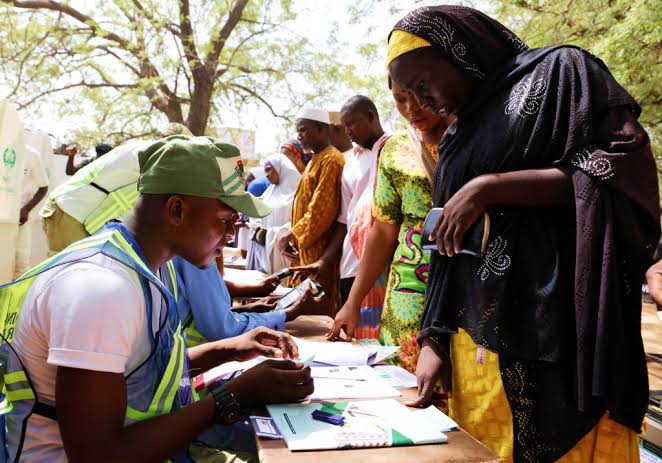
As Nigeria prepares for the 2027 general elections, the Independent National Electoral Commission (INEC) says it is introducing additional digital checks to detect errors in polling-unit results before publication. The process will combine physical result sheets, BVAS records and electronic verification, while results will still pass through several levels of official collation.
INEC’s Director of Information and Communication Technology, Lawrence Bayode, outlined the proposed safeguards at a stakeholder roundtable organised by Yiaga Africa in Abuja on November 17, 2026.
The measures are designed to address problems recorded during the 2023 elections, including unclear result sheets, incorrect polling-unit details and discrepancies between physical and electronic figures.
How INEC plans to verify polling-unit results
After voting ends, presiding officers will use the Bimodal Voter Accreditation System (BVAS) to verify accredited voters. They will then count the ballots and record each party’s votes on Form EC8A, the official polling-unit result sheet.
Under the process explained by Bayode, the presiding officer will use BVAS to capture an image of the completed Form EC8A. The officer will also enter the figures into an electronic version of the form.
The system will compare both records and flag any differences before allowing the result to be uploaded to the INEC Result Viewing Portal (IReV).
For example, if the physical form records 120 votes but the electronic entry shows 119, the system will flag the mismatch for review. It will also check accreditation figures against BVAS records and run arithmetic checks on the results.
INEC says the safeguards will reject unclear images and check whether a result sheet belongs to the correct polling unit. Where the system flags unclear handwriting, the presiding officer will have to examine and verify the figures before proceeding.
The commission has also improved offline operations. Results captured in areas without network coverage will remain pending and upload automatically when connectivity returns.
Read also: INEC Mock Election: What Went Wrong With the 2023 Test?
How results move from polling units to the national level
After polling-unit results are recorded, they move through the established collation structure.
At ward level, the collation officer aggregates figures from polling units using Form EC8B. The local government collation officer combines ward results on Form EC8C, while the state collation officer records the local government totals on Form EC8D.
For the presidential election, state results eventually go to the national collation centre in Abuja, where the returning officer collates the figures and declares the winner.
These stages remain part of the official process. The electronic checks at polling-unit level do not replace the work of collation officers.
What the Electoral Act says about verification
The Electoral Act 2026 provides additional checks during collation. Section 62 requires collation and returning officers to confirm that the number of accredited voters and votes recorded on collated results agree with information transmitted directly from polling units.
Where a result is disputed, officers must examine the original result form, accreditation device data and transmitted polling-unit records. If the figures are found to be incorrect, the law requires the officer to re-collate and announce a corrected result.
Read also: Will Electoral Act 2026 Guarantee Credible Elections in 2027?
Why ward and local government results may not appear on IReV
INEC has also disclosed a limitation in its plans for the 2027 elections. Bayode said the commission cannot upload ward, local government and state collation results to IReV because the required system has not been developed or tested.
This does not mean those levels of collation will not take place. It means the commission currently lacks the system to publish those results on the portal.
The distinction is important because electronic publication on IReV and the official transmission of results to the next collation level are separate processes under the Electoral Act.
INEC has scheduled a nationwide mock accreditation and voting exercise for November 28 to test its upgraded technology, including accreditation and electronic result transmission, ahead of the 2027 elections.