

Wildfire smoke emergency: Millions face dangerous air quality as toxic haze spreads across U.S. cities

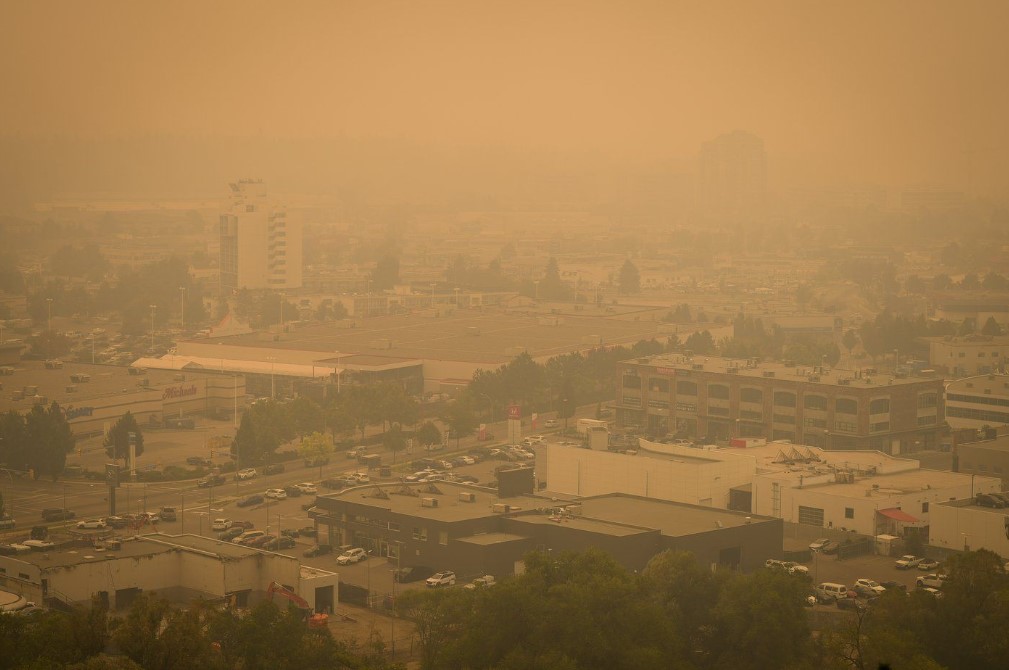
Wildfire smoke creates dangerous air quality conditions across North America. THE CANADIAN PRESS/Darryl Dyck
Millions of residents across the Midwest, Northeast and Mid-Atlantic are facing worsening air quality as thick smoke from Canadian and Minnesota wildfires spreads southward, raising concerns among health officials and meteorologists.
Authorities warn that nearly 100 million people could experience unhealthy air conditions this week as smoke settles closer to the ground. The combination of extreme heat and dangerous air pollution is creating what experts describe as a significant environmental health threat.
Why Air Quality Is Rapidly Deteriorating
More than 100 active wildfires burning across Canada, alongside several large fires in Minnesota, have released enormous amounts of smoke into the atmosphere.
Major fires in western Ontario and northeastern Minnesota have produced dense plumes that are being pushed toward major population centers including New York City, Philadelphia, Boston, Washington D.C., Toronto, Detroit and Chicago.
Meteorologists say a persistent heat dome and weak wind patterns are preventing the smoke from dispersing quickly, allowing pollutants to accumulate closer to the surface where people breathe.
Cities across Michigan, Wisconsin and parts of New York are expected to experience some of the worst conditions because of their proximity to the fires.
Health Effects of Poor Air Quality and Wildfire Smoke
Wildfire smoke contains tiny particles known as PM2.5, microscopic pollutants capable of penetrating deep into the lungs and even entering the bloodstream.
Exposure to unhealthy air can lead to:
- Persistent coughing
- Shortness of breath
- Eye, nose and throat irritation
- Headaches and dizziness
- Fatigue and chest discomfort
- Increased risk of asthma attacks
- Worsening heart and lung diseases
Health experts warn that even healthy individuals may experience symptoms after prolonged exposure.
Children, older adults, pregnant women and people with asthma, chronic obstructive pulmonary disease (COPD) or heart conditions face the greatest risks.
Medical professionals also caution that long-term exposure to high levels of particulate pollution may increase risks of cardiovascular complications and respiratory illnesses.
READ ALSO
Chevron Refinery: What happened at the El Segundo fire
How This Compares to the 2023 Smoke Event
Many Americans remember the historic June 2023 wildfire smoke event that turned New York City’s skies orange and pushed air quality levels into hazardous territory.
Experts currently believe the 2026 smoke outbreak is unlikely to reach the same extreme levels nationwide. However, localized areas closer to the fires, particularly parts of Minnesota, Wisconsin and Michigan, could experience conditions that are equally severe.
Officials emphasize that the current situation remains serious and requires precautionary measures.
How to Stay Safe During Poor Air Quality Conditions
Public health agencies are urging residents to limit exposure until conditions improve.
Stay Indoors When Possible
Avoid outdoor activities, particularly strenuous exercise such as running, cycling or heavy physical work.
Keep Indoor Air Clean
Close windows and doors to prevent smoke from entering your home. If possible, use air conditioning systems equipped with MERV-13 filters or higher.
Wear Protective Masks
If you must go outside, experts recommend using N95 or KN95 masks, which are capable of filtering fine smoke particles.
Monitor Air Quality Index (AQI)
Check local air quality reports regularly. AQI levels above 100 may pose health risks for sensitive groups, while levels above 150 become unhealthy for everyone.
Protect Vulnerable Individuals
Parents should reduce children’s outdoor activities, and people with existing medical conditions should keep medications nearby and consult healthcare providers if symptoms worsen.
Climate Change and Increasing Wildfire Risks
Scientists increasingly point to prolonged drought, higher temperatures and changing weather patterns as major factors behind more intense wildfire seasons.
Research indicates that warming temperatures contribute to drier vegetation and create ideal conditions for large fires to ignite and spread rapidly.
Officials in Minnesota have warned that some fires may continue burning for months unless significant rainfall or colder weather arrives.
As wildfire seasons become longer and more destructive, air quality emergencies are expected to become more frequent in many regions.
FAQ
What is causing the poor air quality in the U.S.?
The deteriorating air quality is being caused primarily by smoke from large wildfires burning across Canada and Minnesota. Weather patterns are transporting smoke into densely populated regions.
Is wildfire smoke dangerous to human health?
Yes. Wildfire smoke contains harmful fine particles that can irritate the lungs, worsen existing medical conditions and increase risks of respiratory and cardiovascular problems.
Who is most at risk from poor air quality?
Children, older adults, pregnant women and people with asthma, COPD or heart disease are considered the most vulnerable groups.
What symptoms can wildfire smoke cause?
Common symptoms include coughing, difficulty breathing, sore throat, eye irritation, headaches, fatigue, dizziness and chest discomfort.
Is it safe to exercise outdoors during poor air quality?
Health experts generally advise avoiding strenuous outdoor activities when air quality reaches unhealthy levels.
What does AQI mean?
AQI stands for Air Quality Index. It measures how polluted the air is and indicates potential health effects.
AQI Categories:
- 0-50: Good
- 51-100: Moderate
- 101-150: Unhealthy for sensitive groups
- 151-200: Unhealthy
- 201-300: Very unhealthy
- 301+: Hazardous
How can I protect myself from wildfire smoke?
Stay indoors, close windows, use air purifiers, wear an N95 mask outdoors and monitor local air quality updates.
Can wildfire smoke enter homes?
Yes. Smoke particles can enter through windows, doors and ventilation systems. Air purifiers and high-efficiency filters can help reduce indoor pollution.
How long will the smoke last?
Forecasts suggest smoke conditions may continue for several days, depending on changing wind patterns and wildfire activity.
Is climate change making wildfire seasons worse?
Many scientists say rising temperatures, prolonged droughts and changing weather patterns are increasing the frequency and intensity of wildfires worldwide.