

8 Reasons Travelers Are Choosing Smaller Cities Over Famous Tourist Capitals

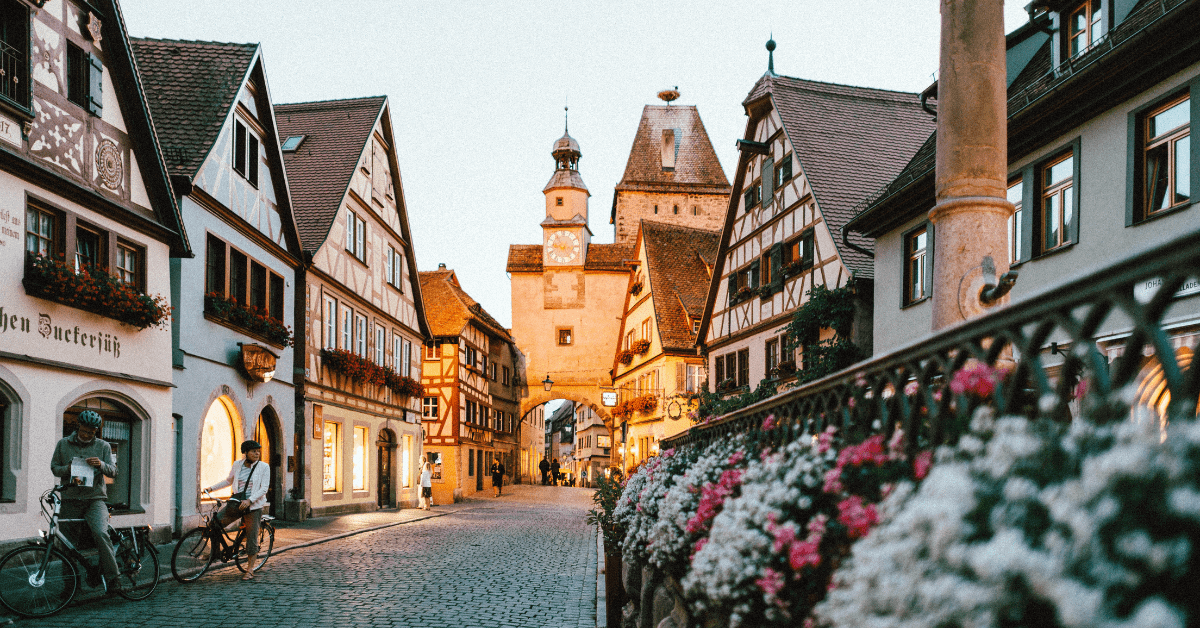
Rothenburg ob der Tauber, a charming town in Bavaria, Germany, known for its well-preserved medieval architecture. Image credit: Roman Kraft/Unsplash
For decades, international travel has revolved around a familiar list of major destinations. Paris, London, Rome, New York, Dubai and Tokyo have dominated itineraries, attracting millions of visitors with famous landmarks, museums, shopping districts and well-established tourism industries.
That picture is changing.
An increasing number of travelers are looking beyond the world’s most recognizable tourist capitals and considering smaller cities for their next trip. Some are drawn by lower costs, while others want a slower pace, fewer crowds or a closer connection to local life.
The appeal is not necessarily about abandoning famous destinations. Rather, travelers are becoming more selective about the kind of experience they want once they arrive.
Here are eight reasons smaller cities are gaining attention among travelers.
1. Smaller Cities Can Offer a More Relaxed Travel Experience
Crowds can dramatically change the experience of visiting a famous destination.
Popular capitals often have packed attractions, busy public transport, long queues and heavily trafficked historic districts. For travelers hoping to explore at their own pace, this can make a holiday feel more like navigating a schedule than taking a break.
Smaller cities often provide a calmer alternative. Visitors may be able to walk through historic neighbourhoods, spend more time in local cafés or explore public spaces without dealing with the same concentration of tourists.
The slower pace can be particularly attractive to travelers taking longer trips or those who want their holiday to feel less rushed.
2. Accommodation and Daily Expenses May Be Lower
Cost is another major consideration.
The most famous tourist capitals frequently command premium prices for hotels, restaurants and centrally located accommodation. Travelers may find that moving beyond the most popular destinations gives them more choices at different price points.
A smaller city can also make it easier to spend money on experiences rather than simply covering accommodation and transportation.
Prices vary considerably from one destination to another, so smaller does not automatically mean cheaper. Still, travelers comparing several destinations may discover that less internationally famous cities offer better value.
3. Travelers Can Experience Everyday Local Life
Major tourist capitals have neighbourhoods where local residents live and work, but tourism can dominate some central areas.
Smaller cities can make everyday life more visible. Markets, bakeries, neighbourhood restaurants, public squares and local festivals may form a larger part of the visitor experience.
This can appeal to travelers who want to understand how people actually live in a destination rather than moving exclusively between major attractions.
A morning at a neighbourhood market or an evening in a local restaurant can sometimes become more memorable than checking another landmark off a list.
4. Smaller Cities Often Have Distinctive Food Scenes
Food is increasingly becoming a reason to choose a destination rather than simply something to do after sightseeing.
Famous capitals offer extraordinary dining options, but their popularity can also mean that visitors encounter restaurants designed specifically for international tourists.
Smaller cities can provide opportunities to explore regional cooking traditions that receive less international attention.
Local specialities, family-run restaurants, food markets and regional ingredients can give travelers a stronger sense of place. In some destinations, the absence of a globally famous food scene is precisely what makes the culinary experience interesting.
5. There Is More Room for Unexpected Discoveries
Travelers who visit heavily documented destinations often arrive with a detailed list of places they already know they want to see.
Smaller cities can leave more room for discovery.
A visitor might find an independent bookshop, an overlooked museum, a quiet riverside neighbourhood or a restaurant that rarely appears on international travel lists.
That sense of discovery is particularly appealing in an age when social media has made many tourist attractions instantly recognizable.
Not knowing exactly what will be around the next corner can become part of the attraction.
READ ALSO
9 Places Where the Journey Is Just as Important as the Destination
6. Smaller Cities Can Be Easier to Explore on Foot
Urban scale can have a major influence on how a trip feels.
Large capitals may require extensive use of trains, buses, taxis or ride-hailing services to move between attractions. Smaller cities often have more compact centres, making walking a practical way to explore.
Walking also changes what travelers notice.
Instead of moving directly between major attractions, visitors encounter streets, shops, architecture, parks and neighbourhood businesses along the way.
For travelers who enjoy photography, architecture or simply wandering without a strict itinerary, that can be a significant advantage.
7. Travelers Are Looking Beyond the Most Instagrammed Destinations
Social media has made travel inspiration more accessible, but it has also contributed to overcrowding at some famous attractions.
A photograph of a landmark can inspire millions of people to visit the same location. Travelers are increasingly aware of this dynamic and some are deliberately searching for alternatives.
Smaller cities can offer distinctive architecture, landscapes and cultural experiences without the same level of online visibility.
This does not mean these destinations are unknown. Some have established tourism industries of their own. The difference is that they may not carry the same global recognition as the world’s major capitals.
8. Travelers Want More Meaningful Trips
Perhaps the biggest shift is the desire for travel to feel more personal.
For some visitors, a successful trip is no longer measured by the number of famous landmarks they have photographed. They may instead value conversations with residents, regional food, cultural events, nature, independent businesses and time spent understanding a place.
Smaller cities can support this style of travel because they often encourage visitors to spend more time in fewer places.
That can turn a short holiday into something that feels less like sightseeing and more like temporarily living somewhere else.
Are Smaller Cities Replacing Famous Tourist Capitals?
Not necessarily.
Major capitals continue to offer experiences that are difficult to replicate elsewhere. Their museums, monuments, cultural institutions, historic districts and international connections remain powerful reasons to visit.
The change may be that travelers are becoming less interested in choosing destinations solely because they are famous.
Instead, factors such as affordability, crowd levels, food, walkability and authenticity are playing a larger role in destination decisions.
For some travelers, the ideal itinerary may even combine both approaches: spend a few days in a major capital before continuing to a smaller nearby city or regional destination.
The Appeal of Going Somewhere Less Obvious
The growing interest in smaller cities reflects a broader change in how people think about travel.
A destination does not need to be the most famous place on the map to provide a memorable experience. Sometimes the appeal lies precisely in having fewer expectations before arriving.
For travelers willing to look beyond the standard tourist circuit, smaller cities can offer a different balance of culture, food, affordability and freedom to explore.
The next major travel trend may not be about finding the next famous destination. It may be about finding somewhere that still feels like your own discovery.
Frequently Asked Questions
Why are travelers choosing smaller cities?
Travelers may choose smaller cities because they offer fewer crowds, potentially lower costs, easier exploration, distinctive local food and opportunities to experience everyday life away from heavily visited tourist centres.
Are smaller cities cheaper than major tourist capitals?
They can be, particularly for accommodation, dining and some activities, but prices vary widely. Travelers should compare individual destinations rather than assuming every smaller city is inexpensive.
Are smaller cities less crowded than famous tourist destinations?
Many smaller cities experience fewer international visitors than major tourist capitals, though popular festivals, events and peak travel seasons can still create significant crowds.
What are the benefits of visiting smaller cities?
Benefits can include a slower pace, easier walking, more interaction with local businesses, regional food, cultural discoveries and less time spent waiting in queues at major attractions.
Can smaller cities offer authentic travel experiences?
They can provide opportunities to experience local markets, neighbourhoods, restaurants, cultural events and everyday routines. The quality of the experience depends on the destination and how travelers approach it.
Should travelers skip famous tourist capitals?
Not necessarily. Famous capitals offer unique attractions and cultural institutions. A better approach may be to combine major destinations with smaller cities or regional areas when planning a longer trip.
How can travelers find smaller cities worth visiting?
Travelers can look beyond the most popular tourist rankings and research regional food, cultural festivals, historic towns, transport connections, local attractions and recommendations from people familiar with the destination.