

Why Canadian Manufacturers Are Fleeing To The US: What You Should Know

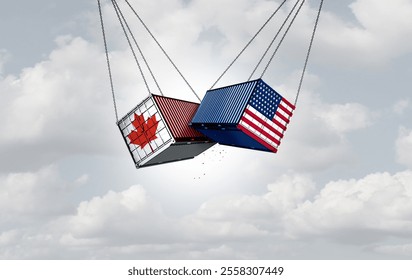
Canadian manufacturers fleeing to the US has stopped being an occasional headline. It is now a running list. Sapporo’s decision to shift its non-alcoholic beer production out of Ontario just added another name to it. The Japanese brewer is not reacting to a one-off tariff scare. It is responding to the same 50 percent duty structure that has already pushed automakers, farm equipment makers and small furniture shops to make the same call.
Why Canadian Manufacturers Are Fleeing To The US Right Now
Sapporo will move production of its non-alcoholic beer to the United States by the first half of 2027. It currently brews that beer in Canada for American customers. The company is weighing a West Coast brewery purchase, a new build, or contract manufacturing. The trigger is a 50 percent US tariff on beer imports from Canada. “Tariffs are something out of our control,” Chief Strategy Officer Rieko Shofu said. She confirmed the company would localize production rather than absorb the cost.
That single sentence describes the calculus behind a much larger trend. Companies are not necessarily leaving Canada because they want to. They are leaving because the tariff math no longer works from across the border.
Sapporo’s Move Fits A Pattern, Not An Exception
Toyota is shifting Tacoma pickup production out of Mexico into a new $3.6 billion Texas plant. Stellantis moved its Jeep Compass line from Brampton, Ontario, to Illinois. Honda relocated CR-V manufacturing from Ontario to the US. GM discontinued its BrightDrop electric van production in Ontario altogether. Canada responded by cutting both companies’ tariff-free import quotas, according to reporting on the quota decision. Even a family-run Ontario chair maker, DFC Woodworks, is now weighing a move. It is considering relocating most of its manufacturing to North Carolina rather than keep absorbing a 50 percent export tariff.
The Numbers Behind Canadian Manufacturers Fleeing To The US
A KPMG Canada survey of manufacturers found 42 percent had already relocated some production to the US or were actively planning to. Tariff avoidance was the top reason cited, according to a report on the survey. KPMG’s Anamika Gadia described most firms as now operating in what she called endurance mode. Manufacturers have “shown incredible resilience, adapting to tariffs and uncertainty,” she said. Separately, 57 percent of surveyed manufacturers said they had paused, reduced or cancelled capital spending altogether because of the trade uncertainty.
Which Sectors And Provinces Are Most Exposed
Electronics, plastics, furniture and industrial machinery make up the bulk of newly tariffed exports. Most of that manufacturing sits in Ontario and Quebec, according to a CBC analysis of export data. British Columbia carries its own exposure through paper and wood products. Those categories account for more than 13 percent of the province’s total US exports. Canada’s auto sector alone directly employs 125,000 people, a workforce increasingly tied to decisions that boardrooms outside the country now make.
What Happens Next For Canadian Manufacturers Fleeing To The US
Ottawa’s own retaliatory tariffs took effect this week. Trade lawyers have said publicly they expect more announcements on the scale of Toyota’s and Sapporo’s in the months ahead, not fewer. Each new company that shifts production narrows the case for staying, even for businesses that would rather not move at all.
Related: Trump Attacks Mark Carney Amid Canada Trade War
Frequently Asked Questions
Why is Sapporo moving beer production out of Canada?
A 50 percent US tariff on Canadian beer imports made it cheaper for Sapporo to brew for American customers inside the US instead of shipping from its Sleeman breweries in Ontario.
How many Canadian manufacturers are moving production to the US?
A KPMG Canada survey found 42 percent of manufacturers had already relocated some production to the US or were planning to, as of mid-2026.
Which other companies have moved production out of Canada over tariffs?
Toyota, Stellantis, Honda and GM have all shifted or cut production tied to Canada, alongside smaller manufacturers like DFC Woodworks.
Which parts of Canada are most affected by the tariffs?
Ontario and Quebec carry the heaviest exposure through electronics, plastics and furniture manufacturing, while British Columbia is heavily exposed through paper and wood exports.