

Hurricane Lowell Hawaii Explainer: What The Storm Is And What A Near-Miss Actually Means

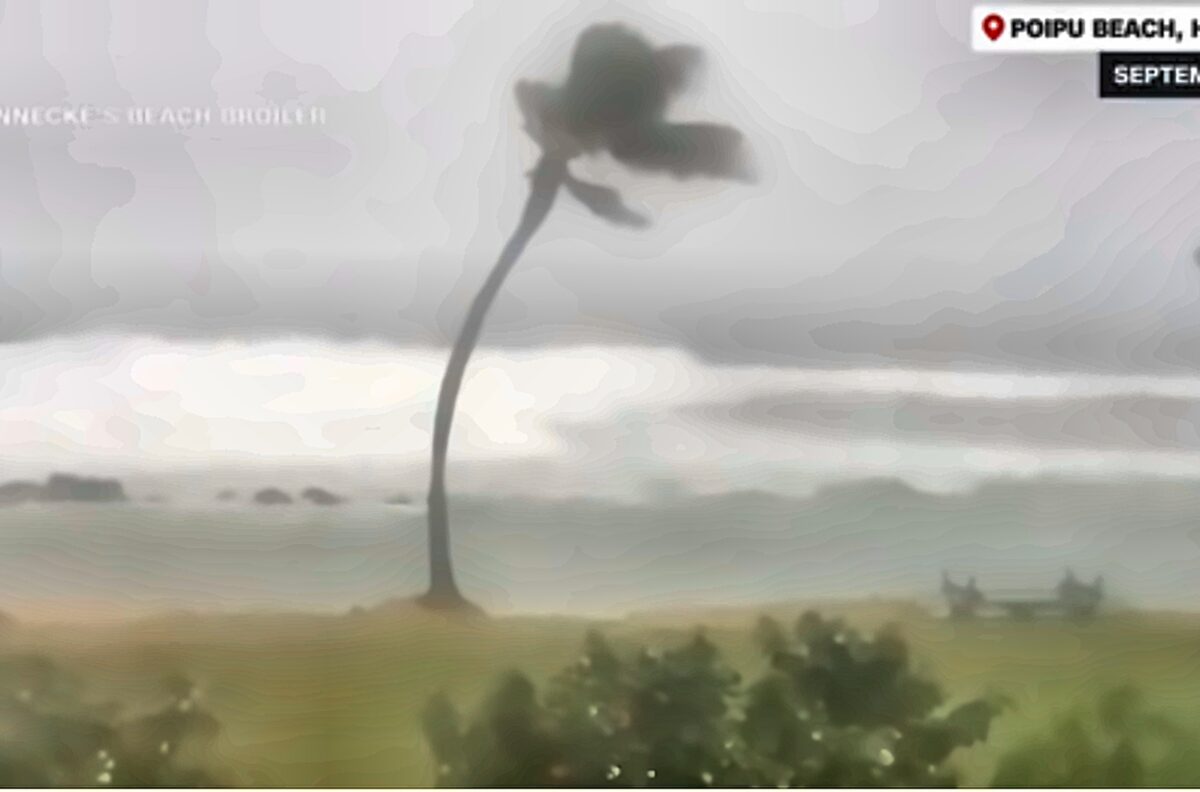
Hurricane Lowell is a powerful Pacific hurricane bearing down on Hawaii without being expected to make landfall, and that gap between “approaching” and “hitting” is where most of the confusion around it comes from. Here is what the storm actually is, what the numbers mean, and why evacuation warnings went out anyway.
What Is Hurricane Lowell?
Hurricane Lowell formed in the open Pacific in late August 2026 and has since grown into one of the season’s strongest storms, briefly peaking near Category 5 strength before settling as a powerful Category 4 hurricane with sustained winds around 155 mph. It has spent days tracking hundreds of miles south of Hawaii before curving north toward the islands.
Lowell is also not an isolated event. It is the third significant tropical system to threaten Hawaii this season, after Hurricane Lala caused deadly flooding on Hawaii Island in mid-August and Tropical Storm Moke followed with more rain days later. That recent history is a big part of why officials are treating Lowell with more urgency than its “near miss” forecast track might otherwise suggest.
What Category Is Hurricane Lowell, And What Does That Number Mean?
On the Saffir-Simpson scale used by the National Hurricane Center, Category 4 covers sustained winds from 130 to 156 mph, the second-highest tier, capable of stripping roofs and snapping power poles wherever the eyewall crosses. That number describes the storm’s peak strength near its center, not how much of that force will reach any particular coastline, which is the detail that gets lost fastest in headlines.
What Does “Near Miss” Mean For Hurricane Lowell Hawaii?
Forecasters expect Lowell’s center to pass west of Kauai and Niihau rather than cross them directly. But a hurricane is not a single point, it is a system with layers. Hurricane-force winds extended roughly 60 miles from Lowell’s center, while tropical storm-force winds reached out about 160 miles, according to Hawaii News Now. A storm can miss the islands by hundreds of miles and still put them inside that outer wind field, which is exactly Lowell’s forecast track.
Why Hurricane Lowell Hawaii Evacuation Warnings Went Out Anyway
Rain bands, storm surge and swell-driven surf all travel ahead of and around a hurricane’s core without needing landfall to cause damage, which is exactly what happened with Lala in August. Streams and drainage channels that nearly overflowed then have less capacity to absorb fresh rain now, and roads already weakened are more prone to washing out. Governor Josh Green cited that directly when signing a statewide emergency proclamation on September 2, saying “we are not waiting for another storm to get close before preparing,” a move that frees up the state’s disaster fund and puts the Hawaii National Guard on standby, according to FOX Weather. The evacuation orders apply specifically to residents near streams and low-lying coastal property, not the islands as a whole.
What Happens Next
Kauai and the Big Island face the highest rainfall risk, 3 to 6 inches with isolated totals above 10 inches, while Oahu and Maui expect lighter totals. Tropical storm-force winds were forecast to reach Kauai from Monday night into Tuesday morning before easing. Surf pushing toward 14 feet has already filled some shelters on Molokai ahead of schedule, according to the Red Cross.
Frequently Asked Questions
What is Hurricane Lowell?
A powerful Pacific hurricane that peaked near Category 5 strength before settling as a Category 4, forecast to pass west of Hawaii rather than make landfall.
What does it mean when a hurricane is a “near miss” for Hawaii?
It means the storm’s center is not expected to cross the islands directly, but wind, rain and surf from its outer bands can still reach hundreds of miles from that center.
Why are Hawaii residents told to evacuate for Hurricane Lowell if it is not making landfall?
Because rain bands, storm surge and surf can still cause serious flooding in low-lying and stream-adjacent areas, as happened during Hurricane Lala in August.
How does Hurricane Lowell compare to Hurricane Lala?
Both storms avoided direct landfall, but Lala still caused fatalities and severe flooding on Hawaii Island, which is why officials responded to Lowell with more urgency than a typical near-miss forecast would prompt.