

Why are US forces leaving Iraq after 20 Years??

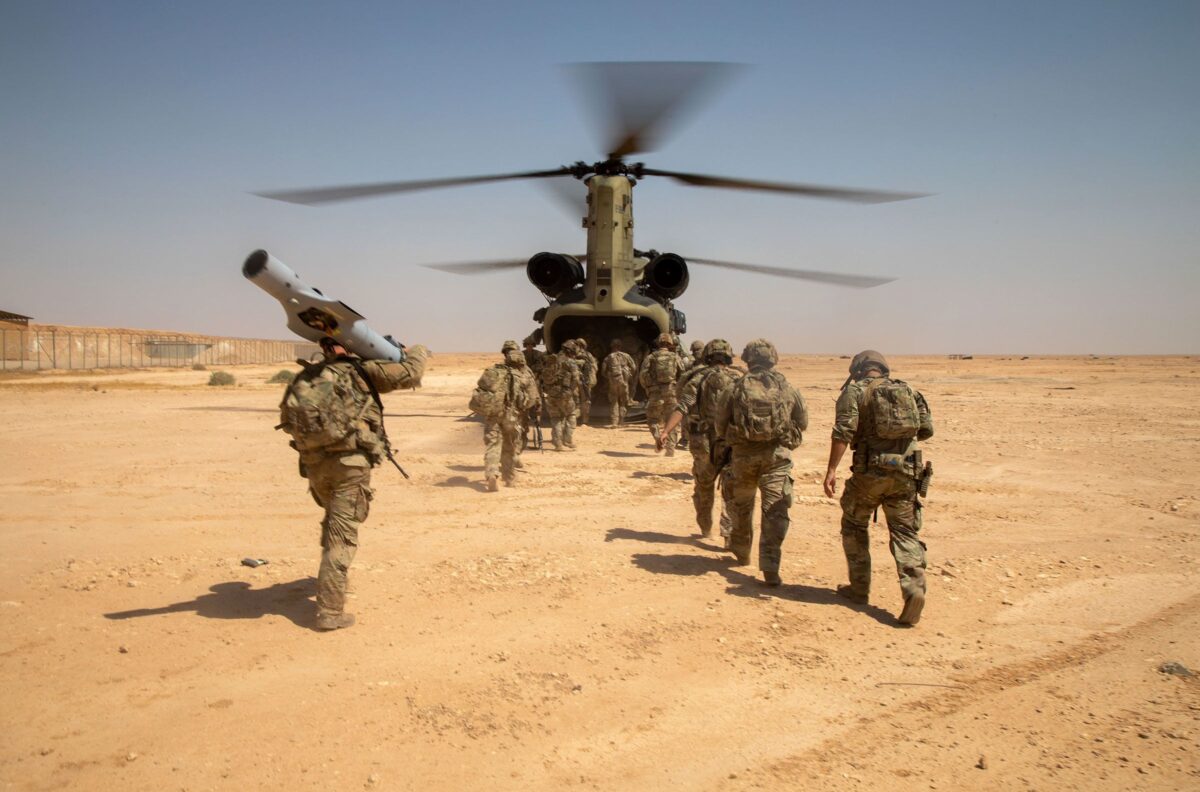
The United States is preparing to withdraw its remaining military forces from Iraq, bringing an end to more than two decades of American military presence in the country.
The withdrawal is taking place as the Middle East faces another major conflict, with Washington currently at war with Iran. That timing has raised questions about what the US departure could mean for Iraq, Iran’s influence and the fight against Islamic State.
According to , US forces are expected to leave their last bases in Iraq by Wednesday, September 30.
The departure marks a major change for a country where American troops have been involved in military operations for more than 20 years.
US forces leave Iraq after more than 20 years
The US military presence in Iraq began with the American-led invasion in 2003, which removed President Saddam Hussein from power.
The invasion was followed by years of insurgency, sectarian violence and military operations involving American and coalition forces.
At the height of the Iraq War, the United States had deployed hundreds of thousands of troops to the country.
Washington formally withdrew its combat forces in 2011, but American troops returned to Iraq three years later as part of the international campaign against Islamic State, also known as ISIS.
The group had captured large areas of Iraq and Syria in 2014, prompting Iraq to seek international military assistance.
The latest withdrawal concerns the much smaller US-led coalition presence that remained in Iraq to support the country’s fight against Islamic State.
Why are US forces leaving Iraq?
The withdrawal was agreed between Baghdad and Washington in 2024 under then-President Joe Biden.
The agreement provided for the US-led coalition’s military mission in Iraq to end, followed by the eventual withdrawal of remaining coalition forces.
The process continued under President Donald Trump’s administration.
Reuters reported that US forces had already withdrawn from bases in most parts of Iraq, with the remaining presence concentrated in the country’s semi-autonomous Kurdish region.
By the end of September, those remaining troops were also due to leave.
The withdrawal is therefore not a sudden decision announced because of the current US-Iran conflict. It is the culmination of an agreement reached two years earlier.
However, the timing has made the development more significant because Washington is simultaneously engaged in a major confrontation with Tehran.
What does US forces leave Iraq mean for Iran?
Iran has significant political, military and economic influence in Iraq, including through Iraqi political parties and armed groups aligned with Tehran.
Some of those groups have long demanded that American forces leave Iraq, arguing that the presence of foreign troops violates Iraqi sovereignty.
Reuters quoted Iraqi security analyst Jasim al-Bahadli as saying Iran could benefit strategically because the American military presence had served as a counterweight to Tehran’s influence in Iraq.
Iran-backed armed groups have already portrayed the withdrawal as a victory.
One commander from the Islamic Resistance in Iraq, an umbrella group of Iran-backed factions, described the departure as a historic victory for the groups that had opposed the US presence.
Those are the views of the groups themselves; the longer-term effect on Iraq’s political and security balance remains uncertain.
Could Islamic State return?
The US withdrawal also raises concerns about the future of the fight against Islamic State.
Iraq’s security forces have grown considerably since the group’s territorial defeat, and American and coalition forces have spent years training and supporting them.
But Iraqi security officials and analysts quoted by Reuters have raised concerns that the withdrawal could create room for Islamic State to rebuild if security conditions deteriorate.
The concern is not necessarily that the militant group will immediately regain territory as it did in 2014.
Rather, the question is whether it could exploit gaps in intelligence, counterterrorism operations or security coordination.
Iraq’s security institutions will now have greater responsibility for dealing with that threat without the same level of direct US military support.
Is Iraq ready to handle its security alone?
That question remains contested.
Abdulrahman al-Zobaie, a Sunni tribal leader from Fallujah, told Reuters that while many Iraqis wanted the country to have full control over its security, he believed Iraq was not yet fully prepared to take over the entire security responsibility.
Other Iraqi officials and analysts have pointed to the country’s stronger security forces after years of training and cooperation with the United States and other coalition countries.
The transition therefore does not mean Iraq suddenly has no security capabilities. Rather, it represents a shift towards Iraqi forces assuming primary responsibility for national security.
What happens to US military operations in Iraq?
The end of the coalition presence does not mean the United States is completely disengaging from the wider Middle East.
The US maintains military capabilities and partnerships in other countries across the region.
Iraq’s relationship with Washington also extends beyond the presence of American troops, including diplomatic, economic and security cooperation.
The US departure instead ends a major chapter in the country’s post-2003 military history.
It also comes after years in which American troops have been caught between the fight against Islamic State and attacks from Iran-aligned armed groups.
Why is the US withdrawal happening now?
The immediate withdrawal is the result of a previously agreed US-Iraq transition rather than a newly announced response to Iran.
But the regional circumstances make the timing particularly consequential.
The United States is currently engaged in a conflict with Iran, while Iran-backed groups in Iraq have significant political and military influence.
That means the departure removes one major US military presence from a country that sits at the centre of competing regional interests.
Reuters reported that some Iraqi security officials see potential risks from the change, while supporters of the withdrawal view it as an important step towards Iraqi sovereignty.
For Iraq, the next phase will involve balancing its security needs, its relationship with Washington and its ties with neighbouring Iran without the permanent presence of US forces on its soil.
The US withdrawal therefore closes one chapter of Iraq’s post-2003 history, but it also opens questions about who will shape the country’s security and political landscape in the years ahead.