

Why 906 Million Africans Remain Offline Despite Internet Coverage

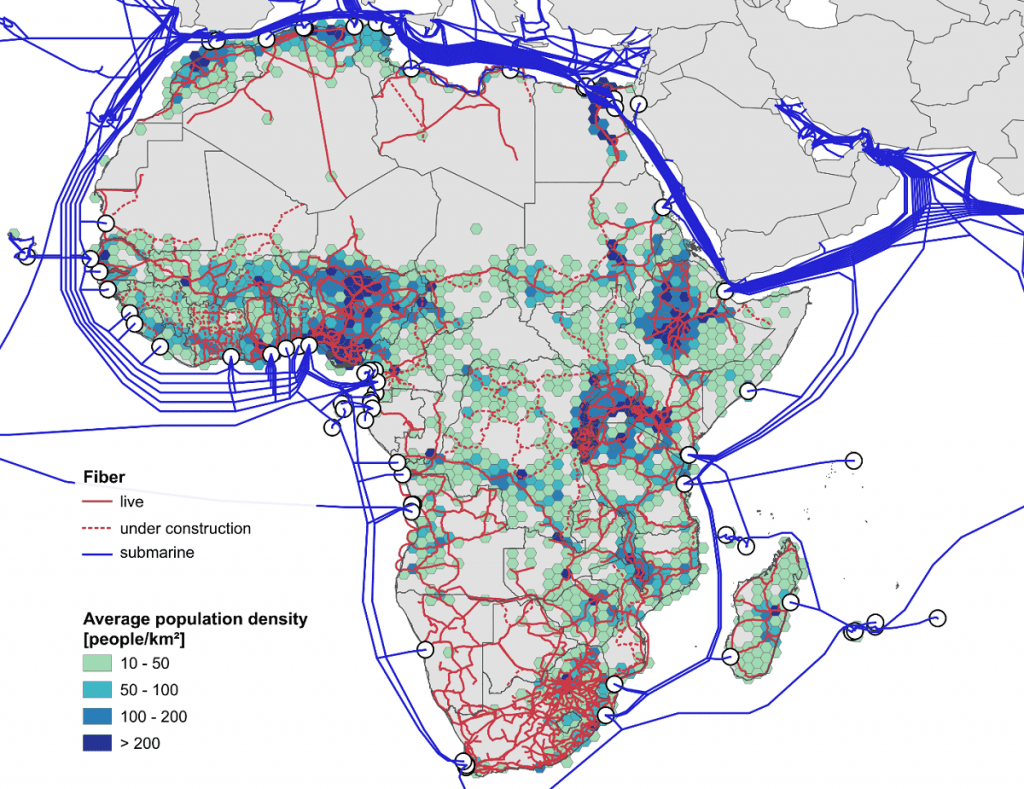
Africa has about 906 million people who live in areas with mobile broadband coverage but do not use mobile internet, according to a new report by the GSMA and the Partnership for Digital Access in Africa (PDAA).
The figure highlights a major challenge facing the continent’s digital economy. Although mobile networks have expanded across Africa, millions of people still cannot access the opportunities that internet connectivity offers.
The report found that another 122 million Africans live outside the reach of mobile broadband networks. This means the number of people who have coverage but remain offline is far greater than the number who lack network access entirely.
The findings come as African governments and telecommunications companies work to expand digital access, improve online services and connect more people to the internet.
However, the latest figures suggest that building more network infrastructure alone will not solve the problem.
Here is why millions of Africans remain offline despite available internet coverage.
Why 906 million Africans remain offline
The GSMA and PDAA identified several barriers that prevent people from using mobile internet, even when a network is available in their communities.
These include the cost of internet-enabled phones, limited digital skills, unreliable electricity and a lack of relevant online services.
The report examined 11 African markets, including Nigeria, Ghana, Kenya, Egypt, Ethiopia, Niger, Rwanda, Senegal, South Africa, Uganda and the Democratic Republic of the Congo.
Its findings suggest that countries need to address these barriers alongside continued investment in telecommunications infrastructure.
1. Smartphones remain expensive for many people
Having network coverage does not mean everyone can afford a device that provides access to the internet.
Smartphones remain an important gateway to online education, digital banking, employment opportunities, communication and public services.
However, the cost of buying an internet-enabled phone can prevent low-income households from getting online.
Even people who own basic mobile phones may struggle to access services that require smartphones.
The GSMA has identified device affordability as one of the major barriers to mobile internet adoption across Africa. Its research also highlights the need for financing options that make smartphones more accessible to people with limited incomes.
2. Limited digital skills keep people offline
Owning a smartphone does not automatically mean someone knows how to use the internet effectively.
Some people lack the skills needed to navigate websites, use digital services, protect their personal information or identify online scams.
These challenges can discourage people from using the internet, particularly when they have limited experience with digital technology.
Digital literacy programmes can help people learn how to use online tools for education, business, communication and access to public services.
However, training must also reflect people’s everyday needs. Teaching people how to use digital banking, find reliable information or access government services can make internet use more practical.
3. Electricity shortages affect internet access
Reliable electricity is another important part of digital inclusion.
People need power to charge their phones and other internet-enabled devices. Telecommunications operators also need reliable electricity to maintain network infrastructure.
In communities where electricity is unreliable, people may struggle to keep their devices charged or afford alternative power sources.
Network expansion alone cannot resolve this problem.
The GSMA and PDAA have therefore called for governments, telecommunications operators and development partners to coordinate investments in electricity and connectivity, particularly in underserved communities.
4. People need relevant online services
Internet access becomes more valuable when people can use it to solve everyday problems.
For example, students may need online learning resources, traders may need digital payment services, and job seekers may depend on online recruitment platforms.
When people cannot find services or information that meet their needs, they may have fewer reasons to go online.
Language can also create barriers when digital content is unavailable in languages people understand.
The GSMA and PDAA have highlighted the importance of relevant local content and services that encourage people to use the internet safely and productively.
Expanding connectivity must therefore go hand in hand with developing services that address the needs of different communities.
What the findings mean for Nigeria
Nigeria is one of the 11 African markets examined in the GSMA and PDAA roadmap.
The inclusion of Nigeria highlights the importance of looking beyond network availability when assessing the country’s digital inclusion efforts.
Expanding broadband coverage remains important, especially in rural and underserved communities. However, coverage alone does not guarantee that households can afford smartphones, pay for data or use digital services effectively.
For Nigeria, addressing these challenges requires cooperation among government agencies, telecommunications companies, technology businesses and educational institutions.
Affordable internet-enabled devices could help more people connect. Digital literacy programmes could also improve people’s ability to use online services for learning, business and employment.
Reliable electricity and relevant digital services are equally important.
These measures could help more Nigerians benefit from the country’s growing digital economy instead of leaving them on the margins of online opportunities.
However, the continental figure of 906 million should not be interpreted as Nigeria’s individual number of people who remain offline. The report presents this as an Africa-wide estimate.
Africa targets one billion connected people by 2030
The GSMA and PDAA have outlined a roadmap to support the ambition of connecting one billion people to the internet across Africa by 2030.
The plan calls for faster migration from older mobile technologies to 4G and 5G, coordinated investments in electricity and connectivity, and more affordable ways to serve rural communities.
It also recommends improving access to smartphones, strengthening digital skills and developing services that people can use safely and effectively.
According to the organisations, closing the mobile internet usage gap across the 11 markets examined could bring approximately 245 million additional people online.
Achieving that goal will require governments, telecommunications operators, investors and development partners to work together.
Internet coverage is only the first step
Africa’s digital inclusion challenge extends beyond building mobile networks.
Millions of people already live within reach of mobile broadband but remain unable to use it because of financial, educational and infrastructure barriers.
Addressing these challenges could help more people access education, financial services, employment opportunities and digital public services.
For Nigeria and other African countries, the next stage of digital expansion will require more than extending network coverage. It will also mean making internet access affordable, useful and accessible to people across different communities.
The continent’s ambition to connect one billion people by 2030 will depend not only on where networks reach, but also on how many people can use them.