

USS Abraham Lincoln food and water shortages: What went wrong on the US Navy carrier near Iran?

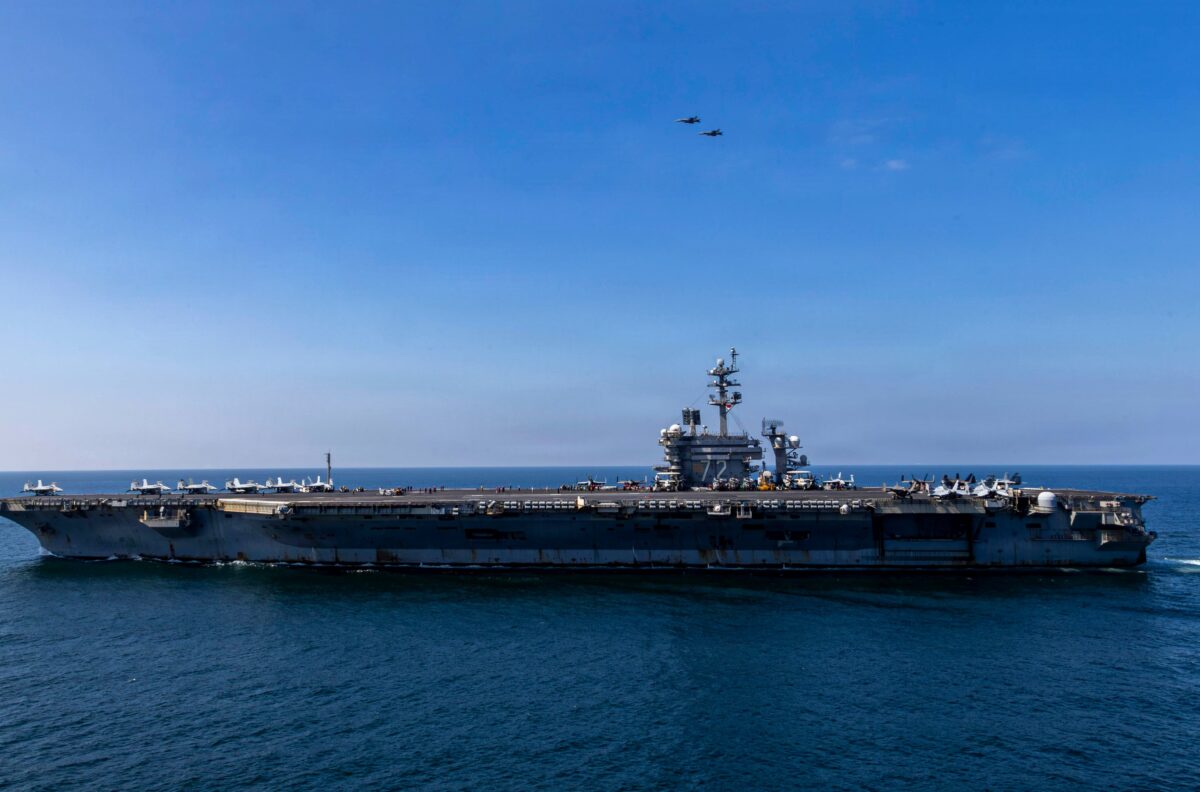
The aircraft carrier USS Abraham Lincoln sails in support of Operation Epic Fury, March 3, 2026. CREDIT: US Navy
The USS Abraham Lincoln, one of the US Navy’s most important aircraft carriers, has reportedly faced severe living-condition and supply problems after spending about nine months operating near Iran. Reports have described food shortages, contaminated water, plumbing failures, delayed mail and growing mental-health pressures among sailors aboard the vessel.
The problems have drawn attention to a wider question about the US military’s ability to sustain long-term operations in a heavily contested region. President Donald Trump has dismissed earlier reports about conditions aboard the carrier as “fake,” but Adm. Brad Cooper, the senior US commander in the region, reportedly confirmed problems after inspecting the ship.
The situation has also raised concerns about whether the Navy’s logistics network was prepared for a prolonged conflict that disrupted several traditional supply routes.
What is happening aboard the USS Abraham Lincoln?
The USS Abraham Lincoln has been deployed near Iran for an extended period as part of US military operations in the region. According to reporting cited by Slate, sailors have experienced shortages and deteriorating conditions, including difficulties obtaining food and clean water.
The reported problems extend beyond supplies. Plumbing stoppages, lost mail and a lack of opportunities for rest and recuperation have reportedly added to the strain on the crew.
An aircraft carrier normally operates as a self-contained military community, with thousands of sailors depending on a complex network of supplies and support services. Keeping food, fuel, spare parts, medical supplies and other necessities available is critical during extended deployments.
Why did the USS Lincoln face food shortages?
A major factor highlighted in the reporting is the disruption of the US military supply chain in the Middle East.
US naval forces have traditionally relied on regional facilities, including supply hubs and ports in countries such as Bahrain, Kuwait and the United Arab Emirates. The war with Iran reportedly disrupted some of those facilities, making it harder to move supplies to American ships operating in the region.
The destruction or damage of key facilities meant that supplies could no longer move through some established routes.
Diego Garcia, a British-controlled island in the Indian Ocean, became an alternative logistical hub. However, its considerable distance from the Persian Gulf meant that resupplying ships could take substantially longer.
The result was a supply network operating under far greater pressure than it had been designed to handle.
How did the Iran war affect US Navy logistics?
The conflict reportedly created an unusually heavy demand on the Navy’s logistics system.
According to the analysis cited by Slate, two US aircraft carriers and their accompanying warships had been stationed in the region, compared with the more typical presence of one carrier or none.
A carrier can have roughly 5,000 personnel, while its accompanying ships add thousands more sailors to the population that must be supplied.
That meant the regional military supply network was effectively supporting approximately 12,000 people associated with two carrier groups, creating additional pressure on food, fuel and other resources.
The problem was compounded by concerns among some local suppliers about continuing deliveries during an active conflict.
Why were sailors reportedly unable to get enough rest?
Extended deployments can place significant physical and psychological pressure on military personnel.
During peacetime, naval ships can use regional ports to provide sailors with opportunities to rest and recover from the demanding conditions aboard a carrier. Wartime operations can make those breaks even more important.
However, the reporting indicates that attacks on regional ports and military facilities restricted those opportunities.
For sailors already dealing with long working hours and the pressures of combat operations, remaining aboard the carrier for prolonged periods could contribute to mental-health challenges and declining morale.
The reported problems aboard the USS Abraham Lincoln therefore go beyond food and water. They raise broader questions about how long military personnel can remain deployed without adequate opportunities for recovery.
What happened to the USS Abraham Lincoln’s water supply?
Reports cited by Slate included water contamination among the problems experienced aboard the carrier.
Access to safe drinking water is a fundamental requirement for any military vessel, particularly one carrying thousands of people. Water is also essential for cooking, sanitation and other daily operations.
The reported contamination adds another layer to the logistical difficulties facing the ship.
It is important to distinguish between reported problems and confirmed details about the precise cause or extent of any contamination. The available account does not establish that every sailor aboard the carrier was affected in the same way.
READ ALSO
USS Abraham Lincoln deployment extended: Sailors face exhaustion, shortages and safety concerns
Are other US Navy ships facing similar problems?
The reported difficulties aboard the USS Abraham Lincoln may not be an isolated case.
Slate’s report, citing a former senior Navy officer, said that many carrier deployments in recent years have been extended to eight or nine months, compared with a more traditional six-month schedule.
The officer also claimed that escorting destroyers involved in the regional blockade were experiencing serious difficulties.
If prolonged deployments continue, the consequences could extend beyond sailors’ living conditions to the Navy’s broader operational readiness.
Long deployments can increase wear on ships, equipment and personnel while reducing the time available for maintenance and recovery between missions.
What does the USS Lincoln situation reveal about the US Navy?
The problems have triggered debate about the importance of military logistics in modern warfare.
Powerful aircraft carriers and advanced weapons systems receive significant attention, but those capabilities depend on a functioning network of supply ships, ports, maintenance facilities, fuel systems and personnel.
The conflict with Iran has reportedly exposed vulnerabilities in that network by disrupting several traditional supply routes at the same time.
The situation demonstrates how attacking logistical infrastructure can affect military operations even without directly defeating a major weapons platform.
Why is the USS Abraham Lincoln important?
The USS Abraham Lincoln is a nuclear-powered Nimitz-class aircraft carrier and one of the US Navy’s principal platforms for projecting air power.
Its aircraft can conduct a wide range of missions, while the carrier operates with a group of supporting warships that provide protection and additional capabilities.
Keeping such a vessel operational requires a massive logistical effort. Thousands of sailors need food, water, medical care, fuel and replacement equipment throughout the deployment.
That makes reports of shortages aboard the Lincoln particularly significant.
What happens next for the USS Abraham Lincoln?
The reported problems could intensify calls for the US Navy to examine how it prepares for long-duration conflicts.
The key issue is not simply whether a single carrier experienced shortages. It is whether the wider military supply system has enough redundancy to continue supporting multiple carrier groups when major regional hubs become unavailable.
For the sailors aboard the USS Abraham Lincoln, however, the immediate concern is more basic: maintaining adequate food, clean water, functioning plumbing and acceptable living conditions while continuing one of the Navy’s most demanding deployments.
The episode has placed an uncomfortable spotlight on the gap that can emerge between a military’s high-end combat capabilities and the logistical infrastructure required to keep those capabilities operating.
Comprehensive FAQ
What happened to the USS Abraham Lincoln?
The USS Abraham Lincoln has reportedly experienced serious operational difficulties during an extended deployment near Iran. Reported problems include food shortages, water contamination, plumbing failures, lost mail and worsening mental-health pressures among crew members.
Why is USS Abraham Lincoln facing food shortages?
The reported food shortages are linked to disruption of the Navy’s regional supply network during the conflict with Iran. Key logistics hubs, including facilities in Bahrain, Kuwait and the United Arab Emirates, were affected by Iranian attacks, making traditional resupply routes more difficult.
Is the water on USS Abraham Lincoln contaminated?
Reports cited by Slate say the carrier experienced water contamination. The available report does not provide enough detail to establish the precise cause, duration or extent of the contamination.
How long has USS Abraham Lincoln been deployed near Iran?
The carrier has reportedly been stationed in the region for about nine months, considerably longer than a typical six-month deployment cited in the report.
How many people are aboard USS Abraham Lincoln?
An aircraft carrier such as the USS Abraham Lincoln has approximately 5,000 crew members. The prolonged deployment has placed additional pressure on personnel, particularly as the Navy has maintained multiple carrier groups in the region.
Why is the USS Lincoln deployment so difficult?
The carrier’s problems are tied to a combination of extended deployment, disrupted supply routes, attacks on regional logistics hubs and reduced access to ports for rest and replenishment.
Did Iran attack US Navy supply bases?
According to the report, Iranian missiles destroyed or damaged significant parts of the US base in Bahrain and struck targets in Kuwait and the UAE. These locations had been important components of the Navy’s regional supply network.
Where does the US Navy get supplies for aircraft carriers?
US Navy ships operating in the Middle East traditionally receive supplies from regional ports and local vendors, with Bahrain serving as an important logistics hub. The disruption of those facilities has forced the Navy to rely more heavily on alternative routes.
Why is Diego Garcia important to the USS Lincoln supply chain?
Diego Garcia, a British-controlled island in the Indian Ocean, became an alternative logistics hub after traditional regional supply facilities were affected. However, it is around 2,200 miles from the affected operating area, making replenishment slower and more difficult.
Are other US Navy ships experiencing similar problems?
The Slate report says the USS Abraham Lincoln is not believed to be the only Navy vessel facing strain. A former senior Navy officer cited in the report said many recent carrier deployments have been extended to eight or nine months, with escort destroyers also facing serious pressures.
Why are sailors reportedly suffering mental-health problems?
Long deployments can place significant psychological pressure on sailors. The report says crews have been unable to receive the normal rest and recuperation opportunities available during port visits because of security conditions in the region.
Has Donald Trump responded to reports about USS Abraham Lincoln?
Yes. The report says President Donald Trump dismissed news reports about the conditions aboard the carrier as “fake.” However, Adm. Brad Cooper, the top US commander in the region, reportedly confirmed the conditions after inspecting the vessel.
Is the USS Abraham Lincoln still operational?
The supplied report discusses the carrier’s difficult operating conditions but does not indicate that the USS Abraham Lincoln has been taken out of service. The reported shortages and infrastructure problems are separate from a formal declaration that the carrier is non-operational.
What does the USS Lincoln situation reveal about US Navy logistics?
The episode has raised questions about the resilience of US military supply chains during prolonged conflict. The central concern is whether the Navy has enough redundancy, logistics capacity and contingency planning to sustain large forces when established supply hubs come under attack.
Could the USS Lincoln problems have been prevented?
The report argues that stronger contingency planning and more diversified supply chains could potentially have reduced the impact. It also raises broader questions about whether military planning has placed enough emphasis on logistics and sustainment compared with major weapons systems.
What does this mean for the US Navy’s future?
The reported problems could intensify debate over Navy readiness, aircraft-carrier deployments, supply-chain resilience and the ability to sustain long wars. The key issue is whether lessons from the current conflict will lead to changes in logistics planning and fleet operations.