

US Visa Suspension: Nigeria and 13 Other African Countries Affected

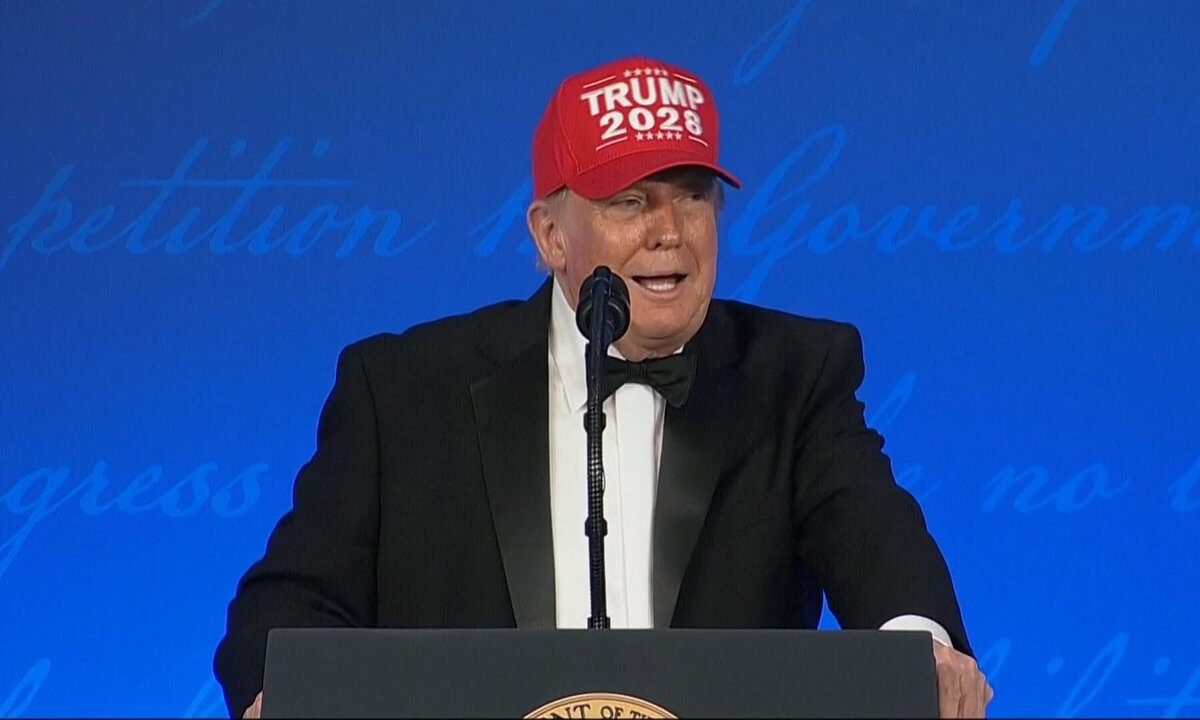
Trump reignited debate over a possible third term after wearing a “Trump 2028” hat during the White House Correspondents’ Dinner while insisting he was joking, Image Source: SMH
Nigerians seeking to travel to the United States for tourism, business, education or permanent settlement face restrictions under a US immigration proclamation that took effect on January 1, 2026.
The US Department of State confirmed that the government partially suspended visa issuance to nationals of 14 African countries under Presidential Proclamation 10998, which introduced restrictions affecting 39 countries worldwide, alongside certain holders of Palestinian Authority-issued or endorsed travel documents.
The measures cover B-1 and B-2 visitor visas, F, M and J student and exchange visitor visas, as well as immigrant visas, subject to specified exceptions.
The restrictions do not amount to a blanket suspension of every visa category. However, affected nationals may be unable to obtain certain visas even if they can submit applications and attend scheduled interviews.
Full List: 14 African Countries Affected by US Visa Restrictions
The African countries covered by the partial suspension are:
- Angola
- Benin
- Burundi
- Côte d’Ivoire
- Gabon
- The Gambia
- Malawi
- Mauritania
- Nigeria
- Senegal
- Tanzania
- Togo
- Zambia
- Zimbabwe
The US government said the restrictions form part of its efforts to strengthen identity verification, security screening and information-sharing arrangements with foreign governments.
The wider proclamation also imposes restrictions on countries outside Africa, with the specific measures varying by nationality.
Which US Visa Categories Are Affected?
The restrictions apply to three major groups of visa applicants from the listed African countries.
1. Tourist and Business Visitor Visas
The suspension covers B-1 business visitor visas and B-2 tourist visas, including combined B-1/B-2 visas.
These categories are commonly used by people travelling for tourism, family visits, medical treatment or qualifying short-term business activities.
Nigerians planning holidays or short visits to the US should check the official guidance before making travel arrangements.
2. Student and Exchange Visitor Visas
The restrictions also cover F, M and J visas.
F visas are generally used for academic students, M visas for eligible vocational or non-academic students, and J visas for qualifying exchange visitors.
The measures may affect prospective international students and exchange participants who need these visa categories to enter the United States.
READ ALSO
Canada Lists 3 Military Requirements for Permanent Residents
3. Immigrant Visas
The partial suspension also covers immigrant visas, which are generally used by people seeking to move permanently to the United States.
This is particularly relevant to applicants pursuing family-based or employment-based immigration, although the proclamation includes specified exceptions and allows for certain case-by-case determinations.
Applicants should not assume that having a qualifying family relationship or an approved immigration petition automatically guarantees visa issuance.
Are All Nigerian Visa Applicants Affected?
No. The proclamation contains exceptions, and its restrictions do not apply identically to every traveller.
According to the Department of State, the measures generally apply to affected foreign nationals who were outside the United States on the relevant effective date and did not hold a valid visa at that time.
Specified exceptions include lawful permanent residents of the United States, certain dual nationals travelling on a passport issued by a country not subject to the restrictions, and people holding certain diplomatic or official visas.
Eligible participants in major sporting events may also qualify for an exception. Other cases may be considered individually where travel is determined to serve the US national interest.
The Department of State also stated that visas issued before the restrictions took effect on January 1, 2026, were not revoked under the proclamation.
Because exceptions depend on individual circumstances, applicants should confirm their status through official US government guidance.
Can Nigerians Still Apply for a US Visa?
Affected Nigerian nationals may still submit visa applications and attend scheduled interviews. However, doing so does not mean a visa will be issued.
The Department of State says applicants subject to the proclamation may be ineligible for visa issuance or admission to the United States.
Anyone planning to travel should review the current rules before paying non-refundable travel expenses or making arrangements that depend on visa approval.
Applicants should also check whether their visa category falls within the restrictions and whether a recognised exception applies to their circumstances.
Why Did the US Introduce the Restrictions?
The US government said the measures are intended to address concerns involving identity management, information sharing, immigration compliance and security screening.
The proclamation expanded and modified restrictions introduced under an earlier presidential order, Proclamation 10949.
The new measures took effect at 12:01 a.m. Eastern Standard Time on January 1, 2026. The Department of State’s published guidance was updated on February 2, 2026.
Travellers should rely on the latest official guidance because immigration rules, exceptions and implementation details may change.
Frequently Asked Questions
Has the US suspended visas for Nigerians?
The US partially suspended visa issuance to Nigerian nationals under Presidential Proclamation 10998, effective January 1, 2026. The restrictions cover specified visitor, student, exchange visitor and immigrant visa categories, subject to exceptions.
Which African countries are affected by the US visa suspension?
The 14 African countries are Angola, Benin, Burundi, Côte d’Ivoire, Gabon, The Gambia, Malawi, Mauritania, Nigeria, Senegal, Tanzania, Togo, Zambia and Zimbabwe.
Can Nigerians still apply for a US tourist visa?
Applicants may still submit applications and attend interviews, but those covered by the proclamation may be ineligible for visa issuance. Eligibility depends on the applicable rules and exceptions.
Are Nigerian students affected by the restrictions?
The restrictions cover F, M and J student and exchange visitor visas. Prospective students should consult the Department of State’s current guidance to determine how the measures apply to their circumstances.
Are existing US visas still valid?
The Department of State stated that visas issued before January 1, 2026, were not revoked under Proclamation 10998. Travellers should still confirm their visa’s validity and any other applicable entry requirements.
Are there exceptions to the US visa restrictions?
Yes. Exceptions include certain dual nationals travelling on an unrestricted country’s passport, US lawful permanent residents, specified diplomatic and official visa holders, and eligible participants in major sporting events. Some cases may also qualify for individual consideration.