

New NTSB report reveals how United Airlines Jet nearly ended in disaster at Newark Airport

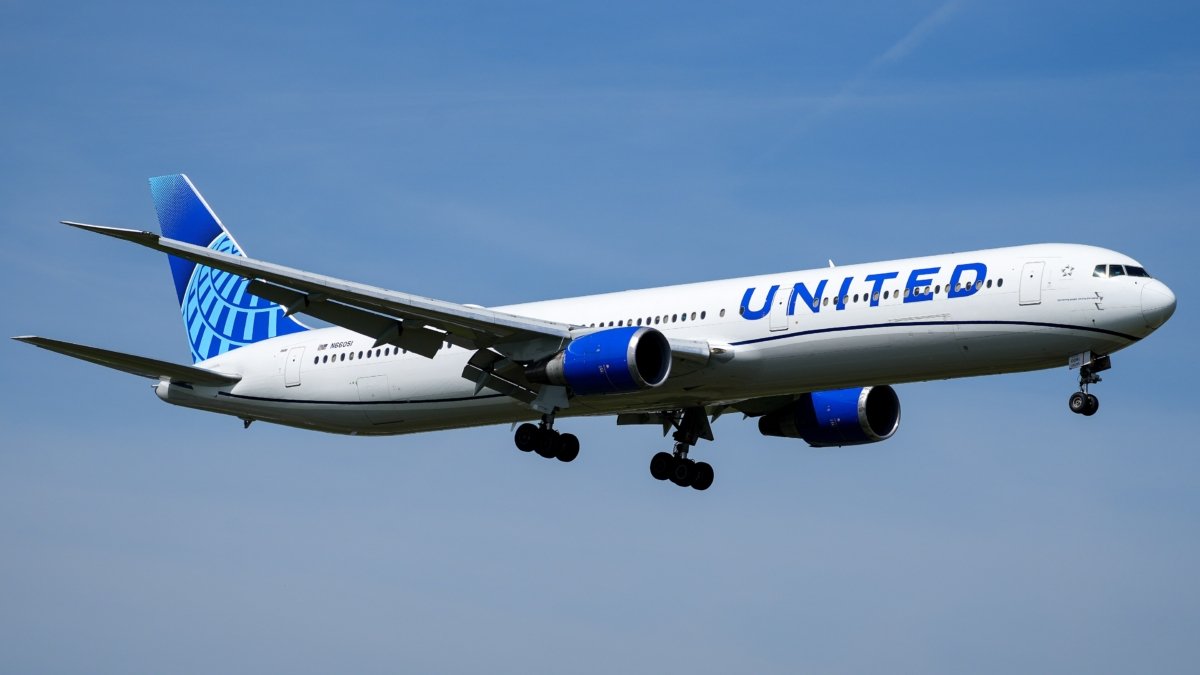
NTSB report reveals United Airlines jet struck a light pole during Newark landing. Image Credit: MarcelX42/Wikimedia | CC BY-SA 4.0 International
A newly released National Transportation Safety Board (NTSB) report has shed light on a frightening incident involving a United Airlines Boeing 767 that came dangerously close to disaster while landing at Newark Liberty International Airport.
The aircraft, arriving from Venice, Italy, on May 3, struck a light pole during its final approach after descending significantly below the established flight path. Investigators revealed that the jet was flying only about 15 feet above the New Jersey Turnpike before impact, raising serious questions about cockpit decision-making, runway assignments, and weather conditions.
NTSB Details How United Airlines Flight Approached Too Low
According to the NTSB’s preliminary findings, the United Airlines Boeing 767 was carrying more than 230 passengers and crew members when it made a dangerously low approach into Newark.
The report revealed that the first officer noticed the aircraft’s position during descent and warned the captain by saying, “You are still slow and a little low.”
Moments later, the plane struck a light pole located near the airport’s approach path. Investigators said the first officer later recalled looking outside and realizing the aircraft was lower than expected, but by then it was too late to call for a go-around or aborted landing.
Crew members reported hearing a loud “thump” and feeling a mild jolt just before touchdown.
Light Pole Debris Struck Delivery Truck on New Jersey Turnpike
One of the biggest revelations in the report concerns the object that struck a delivery truck travelling along the New Jersey Turnpike.
Initial reports suggested the aircraft itself may have collided with the truck. However, investigators have now confirmed that debris from the light pole, not the aircraft, fell onto the vehicle.
The impact damaged the truck’s windshield and punctured its trailer. The driver sustained minor injuries but survived what could have been a catastrophic incident.
Dashboard camera footage captured the dramatic moment. The driver was travelling normally when the sound of the approaching jet became louder before debris suddenly struck the vehicle.
READ ALSO
Strong Winds and Multiple Runway Changes Complicated Landing
The NTSB report also highlights several factors that may have contributed to the incident.
Investigators found that the flight crew received three separate runway assignments during the approach. Ultimately, the aircraft was directed to Newark’s shortest runway, which is typically used during periods of strong winds.
Air traffic controllers informed the crew that wind gusts were reaching approximately 31 mph (50 kph). The captain, who was manually flying the aircraft, later told investigators that he became “fast” while turning into the headwind and adjusted power settings to compensate.
The report notes that moderate turbulence was also present during the final stages of the approach.
Aviation experts believe the changing runway assignments and challenging weather conditions increased cockpit workload at a critical moment.
Experts Question Flight Crew Decisions
Aviation specialists reviewing the preliminary findings have raised concerns about the aircraft’s unusually shallow approach.
D. Blake Stringer, Director of the Center for Aviation Studies at Ohio State University, said the report suggests the aircraft descended below the intended flight path.
According to Stringer, pilots who find themselves unable to maintain the proper glide path would generally be expected to steepen their descent or initiate a go-around rather than continue a shallow approach.
Retired United Airlines captain and aviation safety expert Steve Arroyo also questioned whether the crew had adequately prepared for the specific runway assignment.
Arroyo noted that the aircraft appeared to be below its expected altitude well before crossing the New Jersey Turnpike.
Aircraft Sustained Substantial Damage but Landed Safely
Despite the impact, the Boeing 767 landed safely at Newark Liberty International Airport.
The NTSB said the aircraft suffered substantial damage, including damage to the fuselage and slash marks on one of its landing tyres.
Remarkably, none of the passengers or crew members onboard were injured.
The aircraft has reportedly remained out of service since the incident as investigators continue examining the circumstances surrounding the landing.
Final NTSB Report Expected Next Year
The newly released document represents only the preliminary phase of the investigation.
The NTSB has not yet determined a definitive cause for the low approach and has not issued safety recommendations. Those conclusions are expected to come in a final report likely to be released sometime next year.
As investigators continue their work, the incident is already drawing renewed attention to aviation safety procedures, pilot workload management, runway assignment practises, and the challenges of operating large commercial aircraft in adverse weather conditions.
For now, the United Airlines landing remains one of the most closely watched aviation incidents of 2026, serving as a reminder of how quickly routine flights can become potentially dangerous situations.
FAQ
What happened to the United Airlines plane at Newark Airport?
A United Airlines Boeing 767 arriving from Venice, Italy, struck a light pole during its final approach to Newark Liberty International Airport on May 3, 2026. The aircraft landed safely despite sustaining substantial damage.
How low was the United Airlines jet flying?
According to the NTSB report, the aircraft was approximately 15 feet above the New Jersey Turnpike shortly before striking the light pole.
Did the plane hit a truck on the highway?
No. Investigators determined that debris from the light pole hit the truck, not the aircraft itself.
Were there any injuries on board?
No passengers or crew members were injured. More than 230 people were onboard the aircraft at the time of the incident.
What did the first officer tell the captain before impact?
The first officer reportedly warned the captain, saying, “You are still slow and a little low,” moments before the aircraft struck the light pole.
What caused the United Airlines plane to fly so low?
The exact cause has not yet been determined. Investigators are examining factors including strong winds, multiple runway changes, cockpit workload, and pilot decision-making.
What weather conditions existed during the landing?
The crew encountered strong winds with gusts reaching approximately 31 mph (50 kph), along with moderate turbulence during the approach.
Which runway was the aircraft assigned to?
The flight was ultimately directed to Newark’s shortest runway after receiving multiple runway changes during descent.
How badly was the Boeing 767 damaged?
The aircraft sustained substantial damage, including damage to the fuselage and a damaged landing tire. It has not returned to service since the incident.
What is the NTSB investigating?
The NTSB is investigating the aircraft’s low approach, cockpit communications, weather conditions, runway assignment changes, and operational decisions made by the flight crew.
Did the pilots attempt a go-around?
No. The first officer later stated that he realized the aircraft was too low but did not recognize the danger early enough to call for an aborted landing.
When will the final NTSB report be released?
The final report is expected sometime in 2027 and will likely include conclusions, probable causes, and safety recommendations.
Is Newark Airport considered dangerous?
No. Newark Liberty International Airport is one of the busiest airports in the United States. However, like all major airports, it occasionally experiences incidents that are thoroughly investigated by aviation authorities.
Why is this incident receiving so much attention?
The aircraft came extremely close to a catastrophic accident while carrying more than 230 people and flying above one of the busiest highways in the United States, making it a major aviation safety story.
Has United Airlines commented on the report?
United Airlines declined to comment on the preliminary NTSB findings.