

Supreme Court backs FCC data privacy enforcement in major blow to AT&T and Verizon

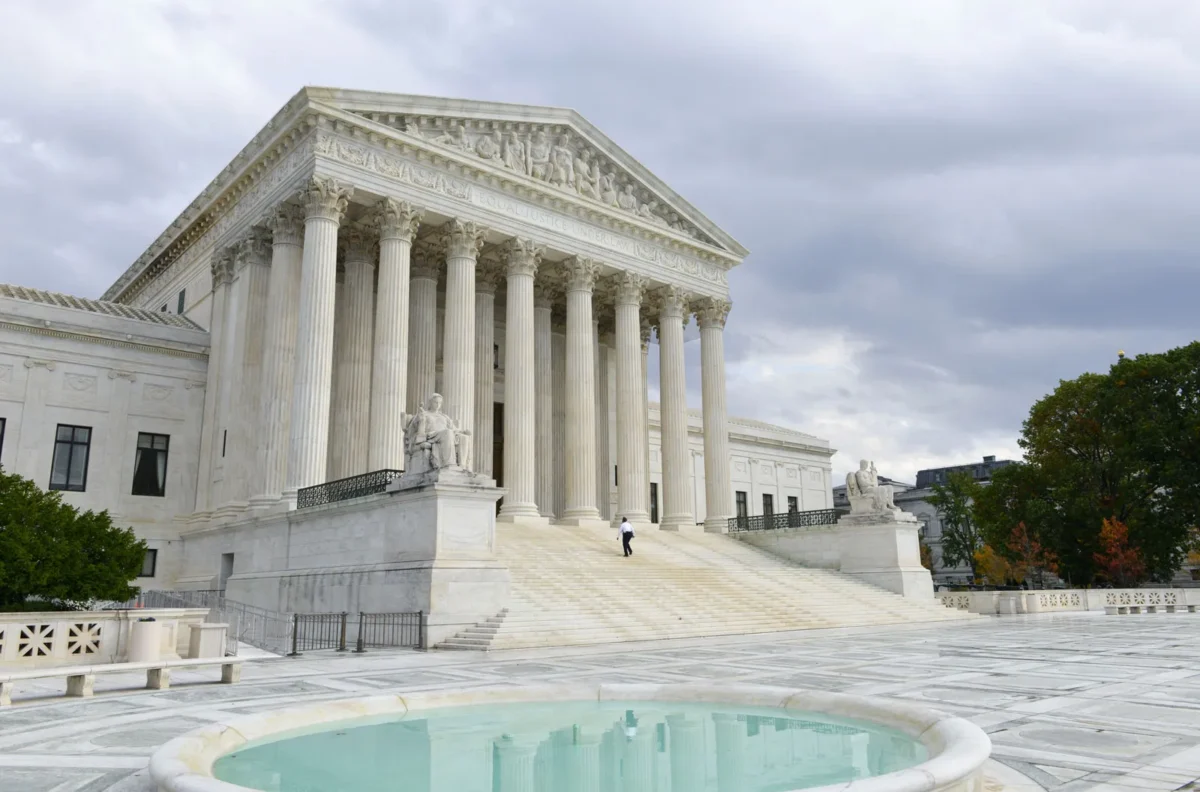
Supreme Court strengthens FCC authority over telecom data privacy enforcement. Image Credit: Orhan Çam/stock.adobe.com
The United States Supreme Court has delivered a significant victory for federal regulators, ruling that the Federal Communications Commission (FCC) can continue enforcing telecommunications laws through its internal forfeiture process. The decision represents a major setback for telecommunications giants AT&T and Verizon, which challenged the agency’s authority in a closely watched case involving consumer data privacy violations.
In an overwhelming 8-1 ruling issued on June 4, 2026, the nation’s highest court affirmed that the FCC’s enforcement framework does not violate constitutional jury trial protections, preserving one of the agency’s most important regulatory tools.
Supreme Court Sides with FCC in High-Stakes Data Privacy Case
The legal battle stemmed from FCC actions against major telecommunications companies over alleged violations of consumer data privacy rules.
At the center of the dispute were forfeiture notices issued by the FCC against AT&T, Verizon, and other carriers after investigations found that third parties could potentially access customers’ location information through data aggregation companies that maintained business relationships with the telecom providers.
The companies argued that the FCC’s process of imposing substantial financial penalties through internal administrative proceedings violated their Seventh Amendment right to a jury trial.
However, the Supreme Court rejected that argument, concluding that the FCC’s forfeiture process remains constitutional because enforcement ultimately requires judicial involvement if companies refuse to pay.
Chief Justice Roberts Explains Why FCC Process Is Constitutional
Writing for the majority, Chief Justice John Roberts emphasised that FCC forfeiture orders do not automatically become binding penalties.
Instead, if a company refuses to pay, the Department of Justice must file an enforcement action in federal court. At that stage, judicial review becomes available, preserving constitutional protections.
The ruling clarified that businesses retain opportunities to challenge FCC findings through the court system, making the agency’s administrative process compatible with constitutional requirements.
The Court’s reasoning overturned a previous decision by the U.S. Court of Appeals for the Fifth Circuit, which had sided with the telecommunications companies and ruled that the FCC’s process violated jury trial rights.
AT&T and Verizon Challenged More Than $100 Million in FCC Penalties
The dispute originated after the FCC pursued more than $100 million in proposed forfeiture penalties against AT&T, Verizon, and other telecommunications providers.
Regulators alleged that weaknesses in carrier oversight allowed third-party aggregators to access and distribute customer location information, raising significant privacy concerns.
Rather than waiting for federal enforcement actions, the companies challenged the FCC’s authority directly in federal appellate courts, arguing that administrative penalties should not be imposed without first obtaining a court judgment.
The Supreme Court’s decision effectively closes that avenue of attack and reinforces the FCC’s existing enforcement framework.
READ ALSO
AT&T, Verizon, and SpaceX: What the $17B Spectrum deal means for Telecom
Major Implications for Data Privacy and Federal Regulation
Legal experts believe the ruling could have implications far beyond the telecommunications sector.
The decision protects the ability of federal agencies to use specialized administrative processes when regulating complex industries. Agencies such as the Securities and Exchange Commission (SEC), Environmental Protection Agency (EPA), and other federal regulators often rely on similar enforcement structures.
By preserving the FCC’s authority, the Court signaled support for maintaining administrative mechanisms that allow regulators to investigate violations and issue penalties without initiating lengthy federal lawsuits at the outset of every case.
For consumers, the ruling strengthens the government’s ability to pursue companies accused of violating privacy protections and telecommunications regulations.
FCC Retains Powerful Enforcement Tools
The decision is widely viewed as a significant victory for FCC Chairman Brendan Carr and federal regulators who argued that weakening the agency’s authority would undermine effective oversight of the telecommunications industry.
The FCC can continue issuing forfeiture orders against companies found to have violated federal communications laws, including rules governing consumer privacy, telecommunications infrastructure, and network operations.
Industry analysts say the ruling ensures that the agency retains the tools necessary to respond quickly to compliance failures and emerging privacy concerns in an increasingly digital economy.
Lone Dissent Raises Constitutional Concerns
Justice Clarence Thomas was the sole dissenter in the case.
In his dissenting opinion, Thomas argued that the federal government should obtain court approval before depriving individuals or companies of property through financial penalties.
According to Thomas, constitutional principles require disputes involving government-imposed monetary sanctions to begin in Article III courts rather than administrative proceedings.
While his position did not prevail, the dissent highlights ongoing debates about the scope of federal agency authority and the balance between administrative enforcement and judicial oversight.
What Happens Next?
The ruling cements the FCC’s authority to pursue future enforcement actions involving telecommunications companies and data privacy violations.
It also establishes an important precedent that could influence future legal challenges against administrative agencies across the federal government.
For AT&T, Verizon, and other telecommunications providers, the decision means regulators retain broad authority to investigate alleged privacy breaches and pursue substantial penalties through established FCC procedures.
As concerns about consumer data protection continue to grow, the Supreme Court’s decision ensures that the FCC remains a central player in enforcing privacy and telecommunications laws across the United States.
FAQ
What did the Supreme Court decide about FCC enforcement powers?
The Supreme Court ruled 8-1 that the FCC can continue using its administrative forfeiture process to enforce telecommunications laws and issue penalties against companies that violate federal regulations.
Why did AT&T and Verizon challenge the FCC?
AT&T and Verizon argued that the FCC’s process for imposing financial penalties violated their Seventh Amendment right to a jury trial because fines could be issued through administrative proceedings rather than court actions.
What is the FCC forfeiture process?
The FCC forfeiture process allows the agency to investigate violations of communications laws and issue monetary penalties. If a company refuses to pay, the Department of Justice may seek enforcement through federal court.
Does the ruling mean the FCC can impose fines without judicial review?
No. The Supreme Court emphasised that companies can still challenge FCC actions through the courts, particularly if the government seeks to enforce unpaid penalties.
What data privacy issues were involved in the case?
The dispute involved allegations that third-party data aggregators were able to access customer location information through agreements with telecommunications carriers, raising concerns about consumer privacy protections.
How much money was involved in the FCC penalties?
The FCC issued more than $100 million in proposed forfeiture penalties against AT&T, Verizon, and other telecommunications companies over alleged privacy violations.
What does this ruling mean for consumers?
The decision strengthens the FCC’s ability to investigate and penalize companies accused of violating telecommunications and data privacy laws, potentially enhancing consumer protection.
How does the ruling affect telecommunications companies?
Telecommunications providers remain subject to FCC enforcement actions and may face significant penalties for violations of federal communications and privacy regulations.
Could the decision affect other federal agencies?
Yes. Legal experts say the ruling may reinforce the authority of agencies such as the SEC, EPA, and other regulators that rely on administrative enforcement systems.
What did Justice Clarence Thomas argue in his dissent?
Justice Thomas argued that the government should be required to obtain a court order before imposing monetary penalties, emphasising the importance of judicial oversight.
What is customer location data?
Customer location data refers to information that can identify a user’s geographic position through mobile devices and telecommunications networks.
Why is this Supreme Court ruling significant?
The decision preserves the FCC’s enforcement authority, protects federal regulatory mechanisms, and establishes an important precedent regarding the constitutional limits of administrative agencies.
Can companies still challenge FCC penalties?
Yes. Companies can seek judicial review and challenge FCC findings in federal court under certain circumstances.
Who benefits most from the ruling?
Federal regulators and consumer privacy advocates are generally viewed as beneficiaries because the decision preserves powerful enforcement tools designed to ensure compliance with communications and privacy laws.
Will the FCC pursue more privacy enforcement actions after this ruling?
Legal analysts expect the FCC to continue aggressively enforcing telecommunications and consumer privacy regulations, supported by the Supreme Court’s affirmation of its authority.