

UK braces for fourth heatwave of 2026 as 35°C scorcher triggers health alerts, wildfire fears and drought warnings

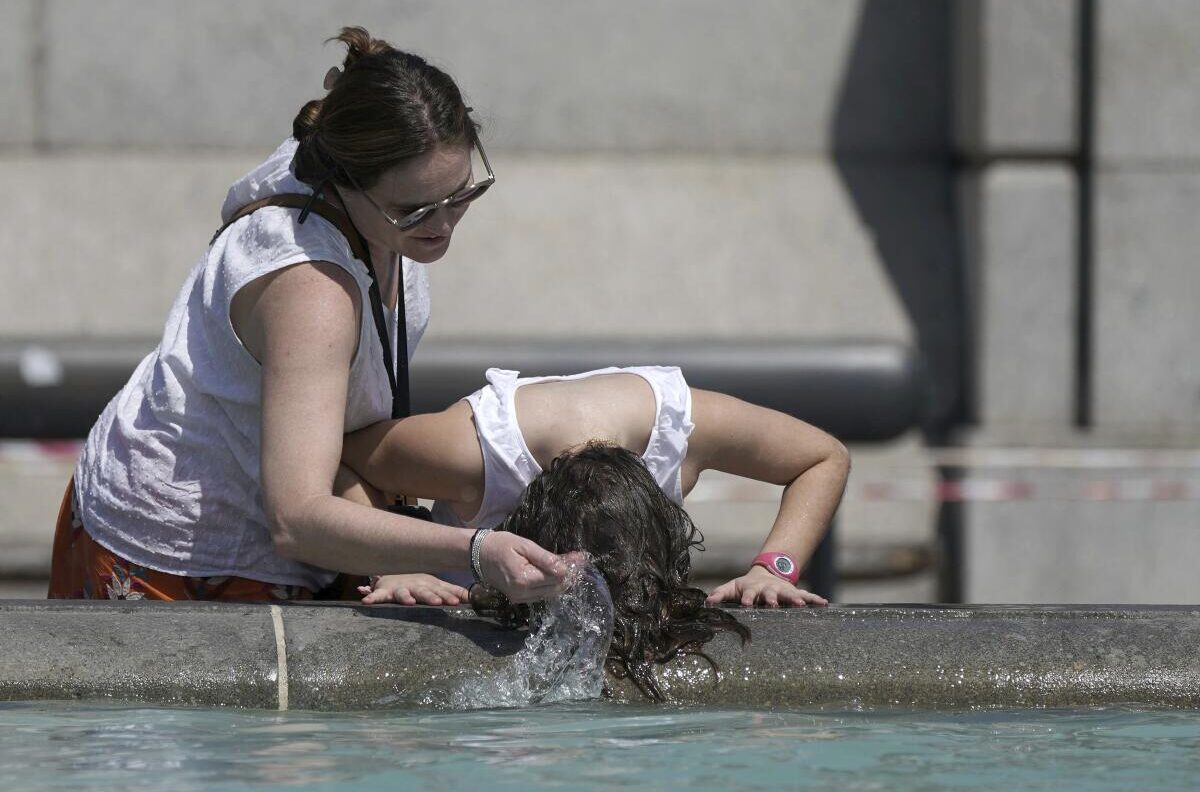
Record UK heatwave linked to thousands of deaths in 2026. Image Credit: Aaron Chown/Press Assn
The United Kingdom is preparing for its fourth official heatwave of 2026, with forecasters warning that temperatures could soar to 35°C (95°F) across parts of England this week. The latest spell of extreme weather has prompted amber heat health alerts, renewed wildfire warnings, and growing concerns over worsening drought conditions after one of the driest Julys on record.
The Met Office and the UK Health Security Agency (UKHSA) say the hottest conditions are expected on Wednesday, particularly across southern, eastern, and central England. Emergency services are urging residents to stay hydrated, avoid strenuous outdoor activities during peak afternoon temperatures, and remain alert to the increased risk of fires as vegetation dries further.
The latest heatwave comes after months of unusually warm weather, making 2026 one of the UK’s hottest years on record so far.
Fourth Heatwave Pushes UK Temperatures Toward 35°C
Meteorologists say a strong area of high pressure settling across England will drive temperatures into the 30–35°C range, especially across London, the South East, East of England, and parts of the Midlands.
While southern Britain experiences intense sunshine and extreme heat, the weather pattern remains very different further north. Scotland, Northern Ireland and parts of northern England are expected to stay noticeably cooler, with cloud cover and scattered showers keeping temperatures largely in the high teens and low 20s Celsius.
Current forecasts suggest this latest heatwave will be shorter than the previous three, with temperatures beginning to ease later in the week as isolated showers develop.
Amber Heat Health Alerts Issued Across England
The UK Health Security Agency has activated Amber Heat Health Alerts for several regions including:
- London
- South East England
- East of England
- East Midlands
Yellow alerts remain in force for:
- Yorkshire and the Humber
- West Midlands
- South West England
Health officials warn the combination of prolonged daytime heat and unusually warm nights increases the risk of serious illness, particularly among:
- Older adults
- Babies and young children
- People with heart disease
- Individuals with respiratory conditions
- Those with chronic medical conditions
Hospitals and ambulance services are preparing for increased demand from cases involving dehydration, heat exhaustion, heatstroke, and worsening cardiovascular or respiratory illnesses.
Residents are advised to drink plenty of water, stay indoors during the hottest part of the day where possible, wear light clothing, and regularly check on vulnerable family members and neighbors.
Wildfire Risk Rises as Dry Conditions Continue
The approaching heatwave is also intensifying concerns over wildfires, following multiple major incidents across the UK earlier this summer.
Fire authorities say exceptionally dry grasslands, forests, and parks can ignite from a single spark. Officials have urged the public to avoid:
- Disposable barbecues in parks and countryside
- Discarding cigarette ends
- Open flames in dry vegetation
- Leaving glass bottles in grassy areas
The warning follows recent wildfire activity in the Cairngorms National Park in Scotland, where residents near Nethy Bridge were temporarily evacuated after a significant blaze. Earlier in July, firefighters battled numerous large wildfires simultaneously across England and Wales.
Emergency responders say continued hot, dry weather could rapidly increase wildfire danger throughout the week.
READ ALSO
July 2026 Among the Hottest and Driest on Record
Meteorological data highlights the extraordinary nature of this summer.
According to provisional figures, July has averaged around 3°C above normal across the UK.
Rainfall has been exceptionally scarce:
- Southern England has received roughly 1% of its average July rainfall
- England overall has recorded around 5% of normal rainfall
- The UK has received only about 20% of typical July precipitation
The Met Office also reports that England has experienced more days above 30°C than ever previously recorded by this point in summer, while some parts of Surrey have gone more than 40 consecutive days without measurable rainfall.
The prolonged dryness has already contributed to hosepipe bans in some regions and increasing pressure on water supplies.
Climate Experts Say Extreme Heat Is Becoming More Common
Climate scientists continue to link the increasing frequency of extreme heat events to long-term global warming.
Experts note that sustained increases in average temperatures mean official heatwave thresholds may eventually require revision because temperatures previously considered exceptional are becoming increasingly common.
Meteorologists say future summers are likely to feature:
- More frequent heatwaves
- Longer periods of drought
- Higher wildfire risk
- Greater pressure on healthcare systems
- Increased impacts on infrastructure, agriculture, and water resources
The latest heatwave adds to growing evidence that the UK’s climate is becoming warmer, with more persistent periods of extreme summer weather.
What Residents Should Do During the Heatwave
Authorities recommend several precautions to reduce heat-related health risks:
- Drink water regularly, even if you do not feel thirsty.
- Avoid strenuous outdoor activity during the afternoon.
- Wear lightweight clothing and sunscreen.
- Keep homes cool by closing curtains during the day.
- Never leave children or pets inside parked vehicles.
- Look out for elderly relatives, neighbors, and vulnerable individuals.
- Call emergency services immediately if someone develops signs of heatstroke, including confusion, collapse, or loss of consciousness.
Emergency services emphasize that taking simple preventive measures can significantly reduce heat-related illnesses during periods of extreme weather.
Outlook
While forecasters expect temperatures to begin easing after Wednesday in many areas, southeastern England could remain in official heatwave conditions into Thursday before cooler Atlantic air gradually arrives.
Despite the expected relief, rainfall is forecast to remain limited, meaning drought conditions and wildfire concerns are likely to persist well beyond this latest spell of hot weather.
FAQ
Is the UK experiencing a fourth heatwave in 2026?
Yes. Meteorologists have confirmed that parts of England are entering the country’s fourth official heatwave of 2026, with temperatures expected to reach up to 35°C.
How hot will the UK get this week?
Forecasts indicate temperatures could climb to 35°C, particularly across southern, eastern and central England, with Wednesday expected to be the hottest day.
Which parts of the UK are under heat alerts?
Amber Heat Health Alerts cover London, the South East, East of England and East Midlands, while several other English regions remain under yellow alerts.
Why are wildfire warnings being issued?
Extremely dry vegetation, low rainfall and prolonged high temperatures significantly increase the risk of wildfires. Fire services warn that even small ignition sources can quickly spread.
Why has July been so dry in the UK?
Persistent high-pressure systems have prevented widespread rainfall. Southern England has received only around 1% of its average July rainfall, making it one of the driest Julys on record.
When will the current UK heatwave end?
Current forecasts suggest temperatures will begin easing from Thursday in many areas, although southeastern England may remain very warm for another day before cooler conditions return.
How can people stay safe during the heatwave?
Stay hydrated, avoid strenuous activity during the hottest hours, wear lightweight clothing, keep indoor spaces cool, and regularly check on elderly relatives, children, and vulnerable people.
Is climate change contributing to more UK heatwaves?
Scientists say rising global temperatures are increasing both the frequency and intensity of heatwaves, making prolonged periods of extreme summer heat more likely.
Will there be rain after the heatwave?
Some isolated showers may develop later in the week, but forecasters do not expect widespread rainfall sufficient to significantly ease drought conditions.
Are drought conditions likely to continue?
Yes. Water shortages, dry soils and low reservoir levels mean drought concerns are expected to continue unless prolonged rainfall arrives in the coming weeks.