

What the UK’s 72-Hour Emergency Advice Actually Asks Households to Do

Illustrative image; not a current emergency.
The UK 72-hour emergency advice, set out in the Government’s updated “Be Ready” campaign, asks households to consider how they would manage for three days if an emergency disrupted everyday services. The advice is more practical than the word “stockpile” suggests: check what you already have, plan for your household’s needs and add essentials gradually.
The reader’s real question is whether the campaign signals a specific crisis is expected. The government describes it as preparation for a range of disruptions, from severe weather and flooding to power or water outages and cyber incidents. The guidance itself is not an emergency warning or an instruction to panic-buy.
What the UK 72-hour emergency advice checklist covers
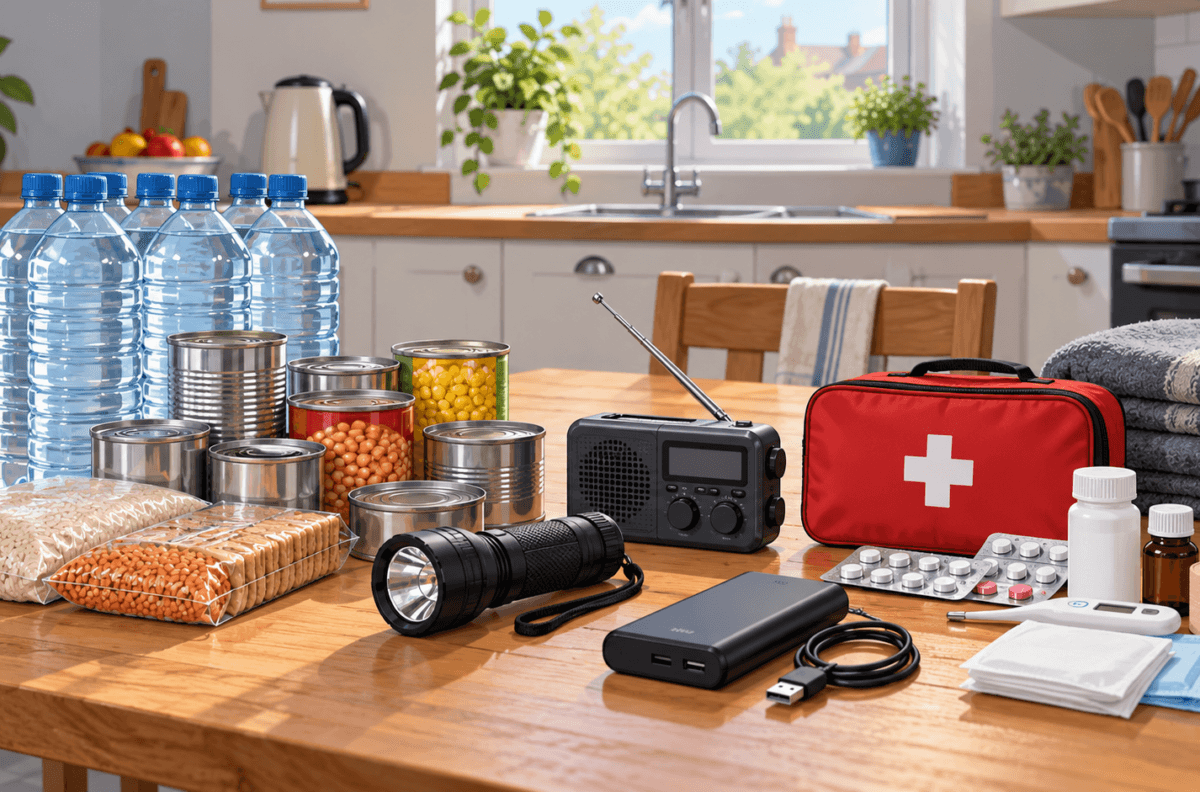
The official checklist includes drinking water, food that can be eaten without cooking, essential medication, a torch, spare batteries, a radio, a charged power bank and basic hygiene supplies. Households may also need baby formula, nappies, pet food, first-aid items, copies of important documents and a written list of contact numbers.
The campaign recommends about three litres of drinking water per person per day. More may be needed for cooking, hygiene, babies, pets or medical equipment. The right amount depends on the household and the type of disruption.
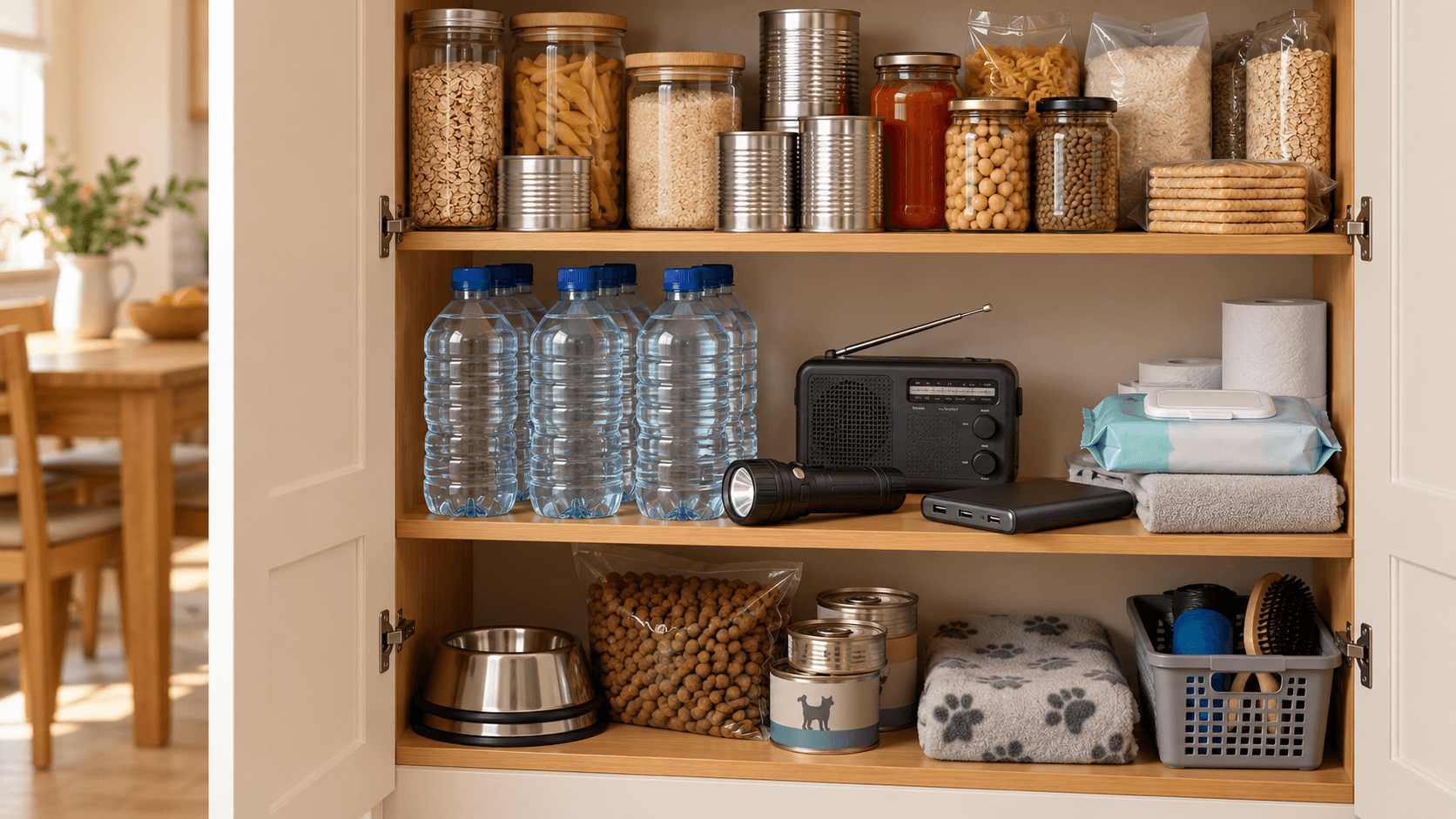
People who rely on powered medical equipment or regular prescriptions should plan for those needs first. The campaign also points eligible households towards the free Priority Services Register, which helps utility companies identify customers who may need extra support during an outage.
Why the UK 72-hour emergency advice campaign is being promoted now
In a written statement to Parliament, ministers said the updated advice is intended to help households remain self-sufficient for three days while emergency support reaches people who need it most. The statement says the campaign was developed with the devolved governments, local authorities and mayors.
Sky News reported that the three-year “Be Ready” campaign was updated amid concerns about severe weather, cyber attacks and other threats. Reuters also reported the launch alongside recent disruptions and wildfire risks. Those events form part of the context officials have discussed; they do not mean the advice points to one specific imminent incident.
What the campaign does not mean
The government says people can build their readiness over time and should choose steps that fit their circumstances. It is not asking everyone to buy a costly emergency kit in one trip. Checking cupboards, keeping medicines topped up through normal repeat-prescription routines and adding a few useful items during regular shopping can spread the effort and cost.
The campaign also asks people to think about how they would get trusted updates, who they would contact and whether a neighbour might need help. A three-day disruption can affect people differently: an older person, a household with a baby, someone who depends on a powered device or a family without a car may need a different plan.
How to make the advice useful
Start with what could stop working where you live: electricity, water, mobile service, transport or access to shops. Then write down medicines, food, water and charging needs for everyone in the home. Keep a torch and radio easy to find, and check supplies every six months so batteries, food and medicines have not expired.
The British Red Cross says 72-hour preparation is about coping with short-term disruption, not stockpiling for a major disaster. Its advice also emphasises household plans, trusted information and checking on neighbours. That is a useful way to read the government’s message: prepare for interruptions that can happen for several reasons, while emergency services remain responsible for responding.
Sources
- UK Government “Be Ready” guidance and checklist
- Written statement to Parliament on the updated 72-hour advice
- Sky News on the campaign’s risks and rollout
- Reuters report on the launch and officials’ explanation
- British Red Cross: what 72-hour preparedness means