

Tupac’s Killer Sentenced, but Who Pulled the Trigger?

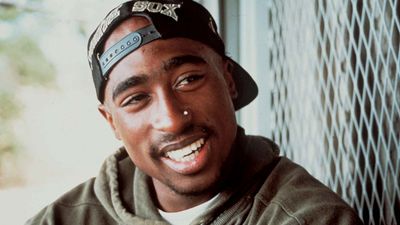
Nearly 30 years after rapper Tupac Shakur was killed in a drive-by shooting, a former gang leader, Duane “Keffe D” Davis, has been sentenced to 40 years to life in prison for orchestrating the murder.
A court in Las Vegas, Nevada, handed down the sentence on Tuesday, October 13, 2026, after a jury found Davis guilty of first-degree murder in August.
However, one question remains unanswered: who fired the shots that killed the legendary rapper?
Davis, 63, was convicted for his role in organising the attack, but prosecutors said he was not the gunman. He is the only surviving person who was in the white Cadillac from which the shots were fired.
Here are five things to know about the case.
1. How Tupac’s murder happened
Tupac, whose real name was Tupac Amaru Shakur, was shot on September 7, 1996, in Las Vegas.
The rapper was travelling in a BMW driven by Marion “Suge” Knight, co-founder of Death Row Records, when a white Cadillac pulled alongside them at a traffic light and opened fire.
Tupac sustained multiple gunshot wounds and died in hospital six days later. He was 25.
His death became one of the most widely discussed unsolved murder cases in American music history.
2. A casino fight triggered the attack
Prosecutors said the shooting followed an altercation at a Las Vegas casino earlier that evening.
Tupac and members of his entourage had fought Orlando Anderson, Davis’s nephew, at the MGM Grand after a boxing match.
The confrontation was linked to tensions between rival gang members associated with the South Side Compton Crips and the Mob Piru, a group connected to Death Row Records.
According to prosecutors, Davis sought revenge after the fight. He organised the attack and provided a gun to an associate in the Cadillac.
The prosecution argued that the shooting was retaliation for the earlier confrontation.
3. How Davis became a suspect
For years, investigators struggled to bring a case against anyone over Tupac’s killing.
Davis eventually drew renewed attention through interviews and his 2019 memoir, in which he discussed his involvement in the shooting.
Investigators used his public statements as part of the evidence that led to his arrest in 2023.
Davis had previously described being in the Cadillac during the attack and said he handed a gun to someone in the vehicle. However, he denied the allegations when he faced trial.
The prosecution relied heavily on his statements to establish his role in the killing.
4. Why the shooter remains unidentified
Although Davis was convicted of orchestrating the murder, the identity of the person who fired the fatal shots has not been definitively established in court.
Prosecutors said Davis handed the gun to an associate in the back seat of the Cadillac and directed the person to shoot.
Davis is the only surviving occupant of the vehicle. The other people believed to have been involved have died.
His conviction therefore establishes his criminal responsibility for the murder, but it does not resolve every question about who fired the weapon.
5. What the judge said during sentencing
During Tuesday’s hearing, Judge Carli Kierny rejected the suggestion that Davis should be allowed to move on from his past.
The judge told him that he could not take a man’s life and simply walk away, particularly when that man was Tupac Shakur.
Tupac’s sister, Sekyiwa Shakur, also addressed the court, remembering her brother as an influential figure who cared for his family and supported vulnerable people.
Davis received a sentence of 40 years to life in prison. He has said he intends to appeal his conviction.
What happens next?
Davis’s sentence marks a major development in a case that remained unresolved for nearly three decades.
However, his planned appeal could bring further legal proceedings, while the identity of the gunman remains a lingering question.
Tupac’s death also continues to resonate because of his influence on hip-hop, his outspoken views on social issues and his enduring popularity.
For his family and fans, the sentence represents a significant step towards accountability, even as some details surrounding his killing remain unresolved.