

Trump takes aim at Bombardier: Why the Canada trade war could hurt U.S. workers

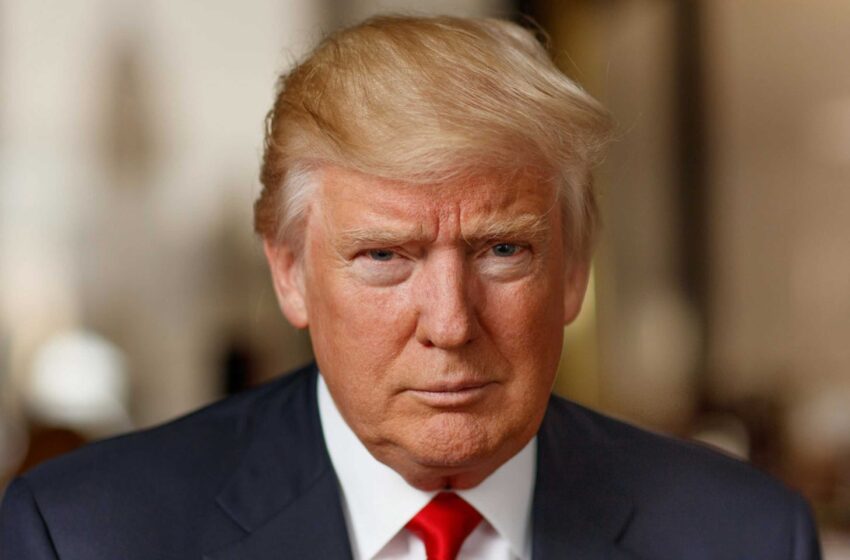
Donald Trump. Picture: David Hume Kennerly/Getty Images
President Donald Trump’s latest attack on Canadian aerospace giant Bombardier has turned a broader U.S.-Canada trade dispute into a fight over one of the industries most closely tied to both economies.
Trump said Monday that Bombardier should no longer be allowed to sell its aircraft in the United States, arguing that the Canadian company benefits from access to American customers, airports, businesses and services while Canada restricts U.S. companies.
“NO MORE SELLING BOMBARDIER IN THE UNITED STATES!” Trump wrote on Truth Social, adding that Bombardier products were not good enough.
He also demanded that Bombardier build in the United States if it wants continued access to the American market.
The threat immediately exposed a complication for the administration: Bombardier is not simply a Canadian company selling products to Americans. It has a substantial U.S. footprint, including a major operation in Wichita, Kansas, where more than 1,000 workers are employed.
That prompted Republican Sen. Jerry Moran of Kansas to publicly defend the company and contact the Trump administration.
The dispute could now become a test of how far the White House is willing to take its Canada trade strategy—and how much economic disruption Washington is prepared to accept in the process.
Why Bombardier Is Caught in the Middle of the Canada-U.S. Trade War
Bombardier has become an unexpected target in a trade confrontation that has already produced tariffs and counter-tariffs between Washington and Ottawa.
Trump’s latest demand came just as new Canadian tariffs on nearly $20 billion worth of American goods were taking effect.
The president’s argument is rooted in reciprocity. He says Canadian businesses should not have unrestricted access to American consumers while U.S. companies face barriers in Canada.
But Bombardier’s response highlights the complicated nature of modern aerospace manufacturing.
The company says it has a significant American workforce and operations spread across numerous states. Its U.S. presence includes facilities and employees involved in manufacturing, engineering, defense and aircraft services.
That makes any attempt to restrict Bombardier’s American sales potentially different from imposing tariffs on a foreign product with little connection to the U.S. economy.
Bombardier Has More Than 1,000 Workers in Kansas
The most immediate political problem for Trump may be in Kansas.
Bombardier’s Wichita operation employs more than 1,000 people, according to Moran, and is connected to a wider aerospace supply chain.
Moran said the workers contribute to America’s defense and aerospace capabilities and stressed the importance of Bombardier’s presence to both employees and suppliers.
His intervention is significant because it shows the Bombardier dispute is not simply a matter of Washington versus Ottawa.
There are American workers, businesses and communities with a direct economic interest in Bombardier continuing to operate in the United States.
A ban could force lawmakers to weigh Trump’s trade objectives against the potential consequences for their own constituents.
Bombardier Says Its American Operations Are Much Bigger Than Trump’s Post Suggests
Bombardier pushed back against Trump’s criticism by emphasizing its role in the U.S. economy.
The company says it creates tens of thousands of jobs across the United States, with employees and facilities in states including Kansas, Texas, Arizona, Florida, Connecticut, Illinois, Delaware, California, New Jersey and Washington, D.C.
It also pointed to American-made components incorporated into its aircraft.
One of its Texas facilities manufactures wings for what Bombardier describes as the world’s fastest business jet. Another California-area facility produces flight-control components.
Bombardier has also announced plans to expand its defense operations and service network, including a new facility in Fort Wayne, Indiana, scheduled to open later this year.
That investment could make the political consequences of excluding Bombardier from the U.S. market even more complicated.
Why Canada Could Pay a Price
For Canada, the Bombardier dispute carries risks beyond one company’s aircraft sales.
Bombardier is one of the country’s best-known aerospace manufacturers, and its operations are connected to Canada’s industrial base, skilled workforce and international reputation in aviation.
If Washington restricts access to the world’s largest aviation market, Bombardier could face pressure to alter its production, investment or sales strategy.
Trump’s demand that the company “build here” could also put Ottawa in a difficult position.
Canada wants to protect its domestic aerospace industry while avoiding measures that could further escalate the trade dispute with the United States.
The confrontation also raises broader questions for other Canadian manufacturers that depend heavily on American customers.
READ ALSO
Why Trump Attacks Mark Carney as US-Canada Trade War Turns Personal
Could Trump Actually Ban Bombardier Planes?
Trump’s statement is politically significant, but a presidential social-media post is not the same thing as an immediate aircraft ban.
Any major restriction on Bombardier would have to operate through the relevant legal and regulatory mechanisms governing imports, aviation and trade.
That means the practical impact will depend on what steps the administration takes after Trump’s announcement.
For now, the clearest development is that the president has publicly called for Bombardier to be shut out of the U.S. market.
The reaction from Moran suggests such a move could encounter resistance within Trump’s own party, particularly from lawmakers representing areas where Bombardier has invested heavily.
The Bigger Problem for Trump Is the U.S. Supply Chain
The Bombardier fight illustrates a weakness that can emerge when tariffs and trade restrictions are used against multinational manufacturers.
Aerospace production rarely happens entirely in one country.
Aircraft can involve components produced across multiple locations, while engineering, maintenance, sales and customer support may take place in yet more jurisdictions.
Bombardier’s American facilities demonstrate that reality.
Restricting the company’s U.S. sales could protect some domestic manufacturers from foreign competition, but it could also affect American workers and suppliers that depend on Bombardier’s operations.
That is why the dispute has attracted attention beyond the Canada-U.S. trade relationship.
Canada’s Retaliatory Tariffs Add More Pressure
The Bombardier confrontation comes as the trade dispute between Ottawa and Washington enters another phase.
Canada announced retaliatory tariffs on nearly $20 billion worth of American goods in response to Trump’s tariffs, with those measures taking effect Tuesday.
The timing creates a potentially escalating cycle.
Washington imposes restrictions on Canadian goods. Ottawa responds with tariffs on American products. The White House then threatens additional measures against Canadian companies operating in or selling to the United States.
Bombardier is now sitting directly in the middle of that cycle.
What Happens Next for Bombardier?
The next important question is whether Trump’s statement becomes a formal policy.
Bombardier’s U.S. investments give the company a strong argument that it contributes substantially to the American aerospace sector rather than simply exporting Canadian-made aircraft into the country.
Moran’s intervention also suggests the company has political allies in Washington.
For Canada, the priority will be watching whether the administration moves beyond rhetoric and introduces concrete restrictions on Bombardier aircraft.
For American aerospace workers, the issue is equally important. Any policy that limits Bombardier’s market access could have consequences well beyond the company’s Canadian headquarters.
Trump has framed the dispute as a question of protecting the American market.
The emerging debate is whether excluding a company with thousands of American connections would actually strengthen that market, or expose the complicated costs of the trade war.
Frequently Asked Questions
Why is Trump threatening to ban Bombardier planes in the U.S.?
Trump says Bombardier benefits from access to American customers, airports, businesses and services while Canadian markets remain difficult for some U.S. companies. He has demanded that Bombardier build in the United States if it wants continued access to the American market.
Is Bombardier a Canadian company?
Yes. Bombardier is a Canadian aerospace company, but it has extensive operations, employees, facilities and suppliers in the United States.
How many Americans work for Bombardier?
Bombardier says it has a direct employment presence in more than 20 U.S. states and creates tens of thousands of jobs across the country. Its Wichita operation alone supports more than 1,000 workers.
Why is Kansas important in the Bombardier dispute?
Bombardier has a major operation in Wichita, Kansas. Republican Sen. Jerry Moran has defended the company’s contribution to the state’s workforce and aerospace supply chain.
Could Trump legally ban Bombardier planes?
Trump’s statement does not itself constitute a formal ban. Any restriction would have to be implemented through the appropriate trade, aviation or regulatory authorities.
What would a Bombardier ban mean for Canada?
A major U.S. market restriction could put pressure on Bombardier’s Canadian operations, sales and investment plans while creating another point of tension in the Canada-U.S. trade relationship.
Why is Bombardier important to the U.S. aerospace industry?
Bombardier has American manufacturing, engineering, service and defense-related operations and uses components made by U.S. workers.
Is the Bombardier dispute part of Trump’s Canada trade war?
Yes. Trump’s comments came amid an escalating trade dispute involving U.S. tariffs on Canadian goods and Canada’s retaliatory tariffs on American products.
What did Bombardier say about Trump’s threat?
Bombardier defended its role in the United States, emphasizing its American workforce, U.S. facilities, supply chain and investments in the country’s aerospace and defense sectors.
Could Bombardier move more production to the U.S.?
Trump’s comments specifically called on Bombardier to build in the United States. Bombardier already has significant U.S. operations and has announced further expansion, including a facility in Fort Wayne, Indiana.