

Trump Administration suffers fresh legal losses as Federal Judges block immigration measures and visa fee policy

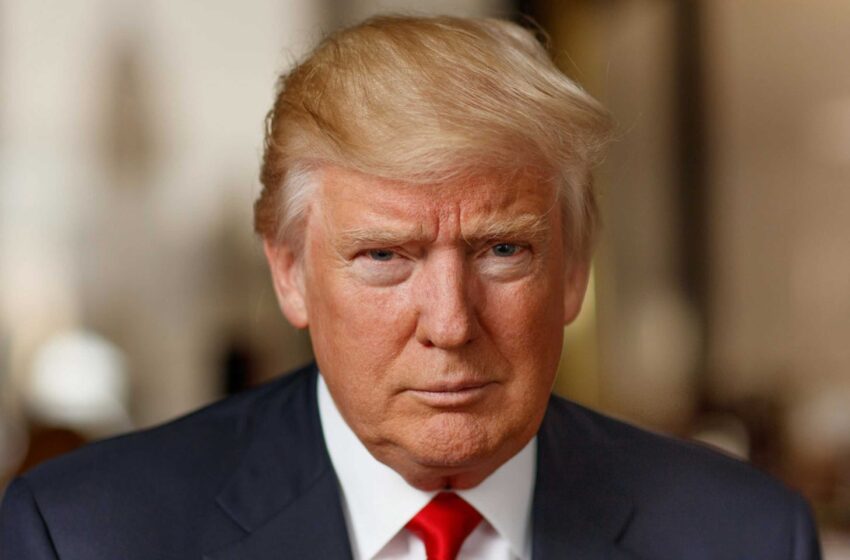
Donald Trump. Picture: David Hume Kennerly/Getty Images
The Trump administration has suffered a series of significant legal losses in federal courts, with judges blocking immigration-related measures and questioning the administration’s compliance with previous court orders. The latest rulings underscore the ongoing legal battles surrounding President Donald Trump’s policy agenda and highlight the growing scrutiny federal judges are placing on executive actions affecting immigration and employment-based visa programs.
The court decisions arrived within days of each other and could have far-reaching implications for asylum seekers, legal immigrants, employers, and foreign workers across the United States.
Federal Judge Rebukes Administration Over Asylum Processing Delays
One of the most consequential rulings came from a federal court in Rhode Island, where a judge sharply criticized administration officials for failing to comply with an earlier order requiring the government to resume processing asylum and immigration applications.
The dispute centers on a broad suspension of immigration processing affecting applicants from dozens of countries. The administration had paused adjudications following security concerns tied to the shooting of two National Guard troops last year.
However, the court previously ordered the government to lift the blanket pause and restart processing applications. During a recent hearing, the judge reportedly stated there was “no excuse” for failing to immediately comply with that directive.
The ruling represents a major challenge to the administration’s immigration enforcement strategy and signals judicial concern over delays affecting individuals seeking lawful immigration relief in the United States.
Court Strikes Down Measures Affecting Legal Immigrants
In a separate setback, another federal judge in Rhode Island invalidated several administration measures designed to make it more difficult for legal immigrants to maintain their immigration status.
Immigration advocates welcomed the ruling, arguing that the policies created unnecessary barriers for immigrants attempting to remain in compliance with U.S. immigration laws.
While the decision provides temporary relief for affected immigrants, legal observers expect the administration to appeal the ruling, potentially setting up another lengthy courtroom battle that could eventually reach higher federal courts.
The case highlights the broader tension between executive immigration policy and judicial oversight, an issue that has repeatedly surfaced during Trump’s presidency.
READ ALSO
Skilled Worker Visa Fee Declared Unlawful
The administration also encountered another legal obstacle in Massachusetts, where a federal judge struck down a controversial proposal involving skilled worker visa applications.
The court ruled that a planned $100,000 fee imposed on employers seeking visas for highly skilled foreign workers constituted an unlawful tax rather than a legitimate administrative fee.
The decision invalidates the proposed charge and delivers a significant victory to businesses, technology firms, healthcare organizations, and other employers that rely on international talent to fill specialized positions.
Legal experts note that the ruling could have substantial economic implications, as the proposed fee would have dramatically increased the cost of sponsoring foreign professionals under certain visa programs.
Administration officials have indicated they intend to appeal the decision.
Growing List of Court Challenges
The recent rulings add to an expanding list of legal challenges confronting the Trump administration’s policy agenda.
Federal courts have increasingly become a battleground for disputes involving immigration, executive authority, labor policy, and administrative actions. Many of these cases test the limits of presidential power and the extent to which federal agencies can implement policy changes without congressional approval.
Legal analysts suggest that these court losses demonstrate the judiciary’s willingness to scrutinize executive actions closely, particularly when policies affect constitutional rights, immigration protections, or federal regulatory procedures.
Appeals Likely as Legal Battles Continue
Despite the setbacks, the administration is expected to continue defending its policies through the appeals process.
Several of the recent decisions could ultimately be reviewed by federal appellate courts or even the U.S. Supreme Court, which is already preparing to issue major rulings on issues including presidential authority and citizenship-related matters.
For now, the latest court decisions represent meaningful victories for immigration advocates, legal immigrants, and employers impacted by the challenged policies.
As the legal battles continue, the outcomes may shape the future direction of U.S. immigration policy and define the scope of executive authority for years to come.
FAQ
Why is the Trump administration facing new legal losses?
The administration recently lost multiple federal court cases involving immigration policies and visa regulations. Judges ruled against measures affecting asylum processing, legal immigrants, and employer-sponsored skilled worker visas.
What happened in the Rhode Island immigration case?
A federal judge ordered the administration to resume processing asylum and immigration applications that had been paused. The court criticized officials for failing to promptly comply with that order.
What immigration policies were struck down?
One ruling blocked measures that made it more difficult for legal immigrants to remain in the United States. Another decision required the government to continue processing certain immigration applications.
Why was the $100,000 visa fee declared unlawful?
A federal judge determined that the proposed fee on employers seeking skilled worker visas functioned as a tax rather than a lawful administrative fee, making it invalid under federal law.
Who would have been affected by the visa fee?
Businesses, technology companies, healthcare providers, universities, and other employers that recruit highly skilled foreign workers could have faced significantly higher costs.
Can the Trump administration appeal these rulings?
Yes. Administration officials have indicated they plan to appeal at least some of the decisions. The cases may move to federal appellate courts and potentially the U.S. Supreme Court.
How do these rulings affect immigrants?
The decisions may allow certain immigration applications to continue being processed and could provide protections for legal immigrants affected by the challenged policies.
Are asylum applications being processed again?
Following the court order, the federal government has been directed to restart processing asylum and immigration applications that were previously suspended.
What does this mean for Trump’s immigration agenda?
The rulings represent significant obstacles for several immigration-related initiatives and may force policy revisions while appeals are pending.
Could these cases reach the Supreme Court?
Yes. Given their importance and the broader constitutional questions surrounding executive authority and immigration policy, some of these disputes could eventually be reviewed by the U.S. Supreme Court.
Why are federal courts important in immigration disputes?
Federal courts serve as a check on executive authority, ensuring that government actions comply with federal laws and constitutional requirements.
What are experts watching next?
Legal observers are closely monitoring potential appeals, future immigration policy changes, and upcoming Supreme Court decisions that could influence the administration’s broader policy agenda.