

Nobel winner Dmitry Muratov breaks silence on Putin, Ukraine War and Russia’s crackdown

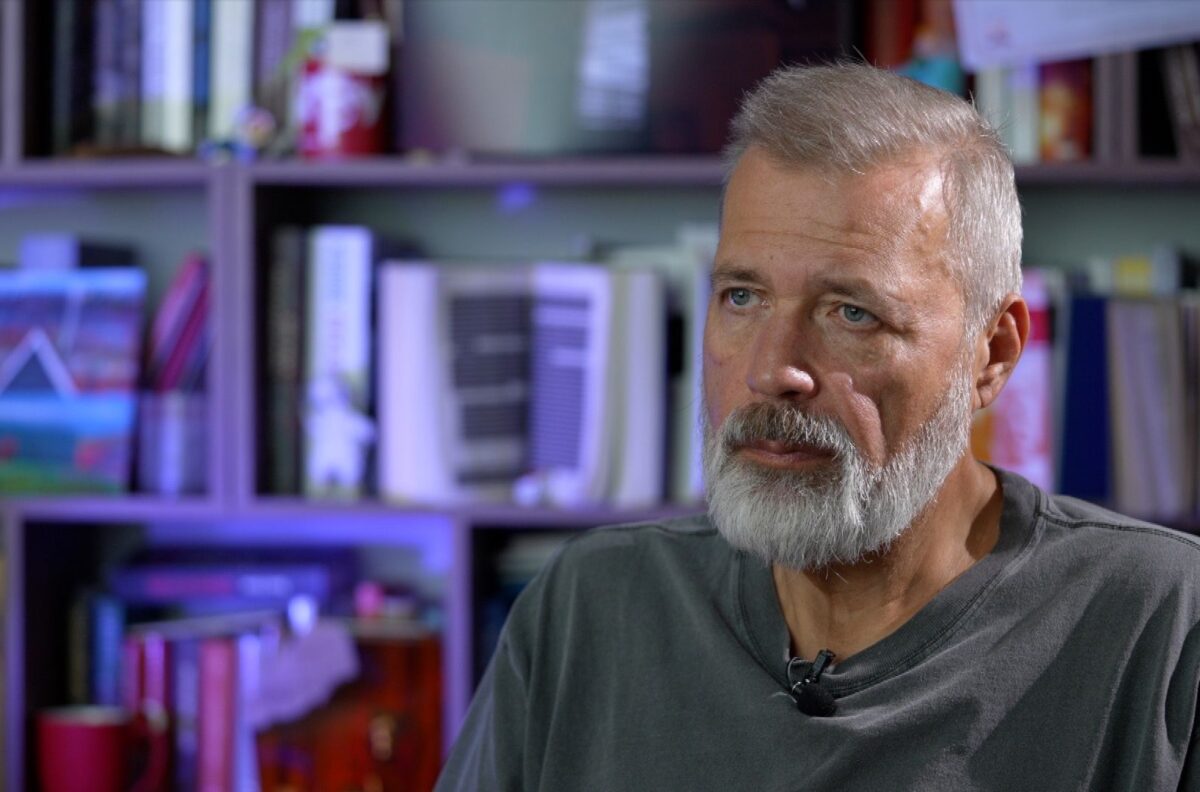
Nobel Peace Prize winner Dmitry Muratov. CREDIT: BBC
Nobel Peace Prize winner Dmitry Muratov has delivered a stark assessment of Russia’s war in Ukraine, arguing that President Vladimir Putin can no longer portray the conflict as a victory and warning that continued escalation could carry devastating consequences.
In an exclusive interview with the BBC, the former editor of independent Russian newspaper Novaya Gazeta described a country where dissent has become increasingly dangerous, journalists have been imprisoned and independent media organizations have faced severe restrictions.
Muratov, who was jointly awarded the 2021 Nobel Peace Prize for efforts to safeguard freedom of expression, also questioned whether Russia is more secure after years of war, pointing to drone attacks, disruption to infrastructure and the imprisonment of people who have publicly opposed government policy.
Dmitry Muratov says Ukraine cannot be conquered
Muratov told the BBC that he does not believe Putin can ultimately claim victory in Ukraine.
His assessment was blunt: Ukraine can be destroyed, but it cannot be conquered.
The Nobel laureate argued that the scale of casualties and destruction means the conflict cannot be presented as a conventional victory regardless of how the war eventually ends.
Muratov described the conflict as involving two Slavic nations and said the human cost had already reached a level that, in his view, makes the concept of victory difficult to sustain.
His comments come as Russia continues its war against Ukraine, which began with Moscow’s full-scale invasion in February 2022.
Muratov raises concerns about nuclear escalation
One of the most serious parts of the BBC interview was Muratov’s discussion of the possibility of nuclear weapons being used in the Ukraine war.
Muratov said he does not claim to know what Putin is thinking and rejected speculation presented as certainty about the Russian president’s intentions.
Instead, he said he studies available information and pointed to repeated public discussion of nuclear weapons in Russia.
According to Muratov, references to the potential use of nuclear weapons had appeared more than 500 times since the beginning of the year, including discussions on Russian state television and at the St Petersburg International Economic Forum.
His comments do not establish that Putin has decided to use a nuclear weapon. Rather, Muratov presented the repeated public discussion of nuclear options as a warning sign about the direction of the conflict.
Novaya Gazeta became a symbol of Russia’s press freedom struggle
Muratov’s concerns about the war are closely connected to his long career in independent Russian journalism.
He co-founded Novaya Gazeta more than three decades ago. The newspaper became known for investigative reporting into corruption, human rights abuses and politically sensitive issues.
The publication also paid a heavy price for its reporting. The Nobel Committee noted when Muratov received the Peace Prize that six of Novaya Gazeta’s journalists had been killed, including prominent investigative journalist Anna Politkovskaya, who reported extensively on the war in Chechnya.
Muratov told the BBC that the newspaper effectively no longer operates in the form it once did.
Russian authorities revoked its registration, while access to its website has also been blocked inside Russia.
Russia’s crackdown on dissent has intensified
Muratov painted a bleak picture of the environment facing Russian critics of the government.
He said hundreds of prominent figures had been classified by authorities as “foreign agents,” “extremists” or “terrorists.” He also estimated that at least 1,500 people were imprisoned after speaking out against current state policy since the beginning of Russia’s full-scale military operation in Ukraine.
The figure was presented by Muratov as a conservative estimate.
The BBC report highlighted several people who have faced imprisonment or prosecution, including journalists and activists accused under Russia’s extremism and military-related laws.
The cases illustrate the risks faced by Russians who publicly challenge the government’s position on the war.
READ ALSO
Muratov highlights imprisoned Russian journalists
During the interview, Muratov showed photographs of people he believes deserve greater international attention.
Among them were journalists Antonina Favorskaya, Konstantin Gabov, Sergey Karelin and Artyom Kriger, who were jailed on extremism charges over alleged links to the organization associated with the late opposition leader Alexei Navalny.
He also discussed Alexei Gorinov, a former city councillor who was imprisoned after speaking out against Russia’s military operation in Ukraine.
Muratov highlighted the case of pianist Pavel Kushnir, who died in a Russian pre-trial detention centre while on hunger strike after posting anti-war videos.
The stories formed a central part of Muratov’s argument that political prisoners and people punished for opposing the war should not disappear from international attention.
Why Dmitry Muratov was declared a foreign agent
Muratov himself has been designated a “foreign agent” by Russian authorities.
The designation is widely used by Russian authorities against critics, journalists and organizations viewed as receiving foreign influence or engaging in activities covered by the country’s foreign-agent legislation.
Muratov said the label carries practical restrictions as well as a social stigma, describing it as a way of creating the impression that designated people are enemies within Russian society.
Despite his own status, he appeared more concerned during the BBC interview with the people currently imprisoned than with the restrictions placed on him.
Muratov questions whether Russia is safer after the war began
Muratov also challenged one of the Kremlin’s central arguments for the war: that the military operation was necessary to improve Russia’s security.
He pointed to Ukrainian drone attacks inside Russia, problems affecting fuel supplies and disruptions to mobile internet services.
His question was whether Russia had actually become safer after the invasion.
The comments reflect Muratov’s broader argument that the consequences of the war extend far beyond the battlefield and are affecting Russian society itself.
Muratov says Putin still controls Russia
Despite speculation about political divisions within Russia’s ruling elite, Muratov said he does not believe there is enough evidence to conclude that Putin has lost control.
He described Putin as remaining firmly in charge and said fear, reinforced by the Federal Security Service (FSB), plays an important role in maintaining the system.
Muratov also criticized Western governments for their past relationships with Moscow, arguing that European leaders sometimes promoted human rights concerns while simultaneously maintaining economic relationships with Russia.
A Nobel Prize does not guarantee protection
Muratov’s Nobel Peace Prize has not shielded him from the pressures faced by independent journalists in Russia.
When asked whether winning the Nobel Prize provided him with additional protection to speak freely, he declined to frame the issue around himself.
His response reflected a recurring theme throughout the interview: the plight of people imprisoned for criticizing the authorities matters more to him than his own international status.
Still, Muratov said there are signs that some Russians continue to support independent journalism.
He described hearing quiet expressions of gratitude from people on Moscow’s streets, suggesting that public opinion may be more complicated than official narratives indicate.
For Muratov, those whispered expressions of support represent a small but meaningful source of hope amid the continuing restrictions on press freedom and dissent.
FAQ
Who is Dmitry Muratov?
Dmitry Muratov is a Russian journalist and former editor-in-chief of Novaya Gazeta. He co-founded the independent newspaper and became internationally recognized for defending freedom of expression and investigative journalism in Russia.
Why did Dmitry Muratov win the Nobel Peace Prize?
Muratov jointly received the 2021 Nobel Peace Prize for his efforts to safeguard freedom of expression. The Nobel Committee also recognized the work of Novaya Gazeta and noted that six of its journalists had been killed, including Anna Politkovskaya.
What did Dmitry Muratov say about Putin and Ukraine?
Muratov argued that Putin cannot ultimately claim victory in Ukraine, saying the scale of destruction and casualties makes a conventional victory impossible in his view.
Does Dmitry Muratov believe Ukraine can be conquered?
No. Muratov told the BBC that he believes Ukraine cannot be conquered, though he warned that continued escalation could cause further destruction.
Did Dmitry Muratov say Putin could use nuclear weapons?
Muratov raised concerns about nuclear escalation and said discussions about using nuclear weapons had appeared repeatedly in Russian public discourse. He also stressed that he does not know what Putin is thinking and did not claim to know whether the Russian leader would actually use nuclear weapons.
How many times has nuclear weapons use been discussed in Russia?
Muratov told the BBC that the need to use nuclear weapons had been mentioned more than 500 times since the beginning of the year, including on Russian state television and at a state-run economic forum.
What happened to Novaya Gazeta?
According to Muratov’s BBC interview, Russian authorities revoked the newspaper’s registration and blocked access to its website inside Russia. The publication maintains an online presence that can be accessed from abroad or with the assistance of VPNs.
Why is Novaya Gazeta important?
Novaya Gazeta became known for independent and investigative journalism, including reporting on corruption, human rights abuses and politically sensitive subjects.
What happened to Anna Politkovskaya?
Anna Politkovskaya was a prominent journalist for Novaya Gazeta who wrote extensively about the war in Chechnya. She was among six journalists from the newspaper noted by the Nobel Committee as having been killed.
Why was Dmitry Muratov declared a foreign agent?
Russian authorities designated Muratov a “foreign agent.” The BBC report says he views the designation as carrying restrictions and stigma designed to portray critics of the authorities as enemies within society.
What does Muratov say about political prisoners in Russia?
Muratov expressed concern about Russians imprisoned after speaking against government policy. He said he estimates that at least 1,500 people have been imprisoned since the beginning of Russia’s full-scale military operation in Ukraine, though he presented that as a conservative estimate.
Who is Pavel Kushnir?
Pavel Kushnir was a Russian pianist whom Muratov highlighted during the BBC interview. Kushnir was arrested after posting anti-war videos and later died in a pre-trial detention centre during a hunger strike at the age of 39.
Who are Antonina Favorskaya, Konstantin Gabov, Sergey Karelin and Artyom Kriger?
They are journalists whom Muratov highlighted as examples of people imprisoned under Russia’s extremism-related laws. According to the supplied BBC report, they were accused of links to the anti-corruption organization associated with the late opposition leader Alexei Navalny.
Does Dmitry Muratov think Putin is losing control of Russia?
No. Muratov said he does not believe claims of a major split among Russia’s ruling elite and argued that Putin continues to maintain a tight grip on power.
What does Muratov say about Russia’s security?
Muratov questioned whether Russia has become safer since the full-scale invasion of Ukraine. He cited Ukrainian drone attacks, fuel-related problems, mobile internet disruptions and political imprisonment as developments that challenge the claim that Russian security has improved.
Does Dmitry Muratov support the Russian government?
No. Muratov is a prominent critic of the Kremlin’s policies and has spoken extensively about restrictions on independent journalism, political repression and the war in Ukraine.
What is Dmitry Muratov’s latest warning?
His latest warning, according to the BBC interview supplied for this report, is that the Ukraine war cannot produce a genuine victory for Russia if the conflict continues to bring widespread destruction, while escalating nuclear rhetoric presents an additional danger.
Where can I watch the Dmitry Muratov BBC interview?
The supplied source identifies the interview as an exclusive BBC interview with Muratov, published alongside the BBC’s report on his comments.