

Judge issues stark warning as Trump’s $1.8 billion anti-weaponization fund faces new legal uncertainty

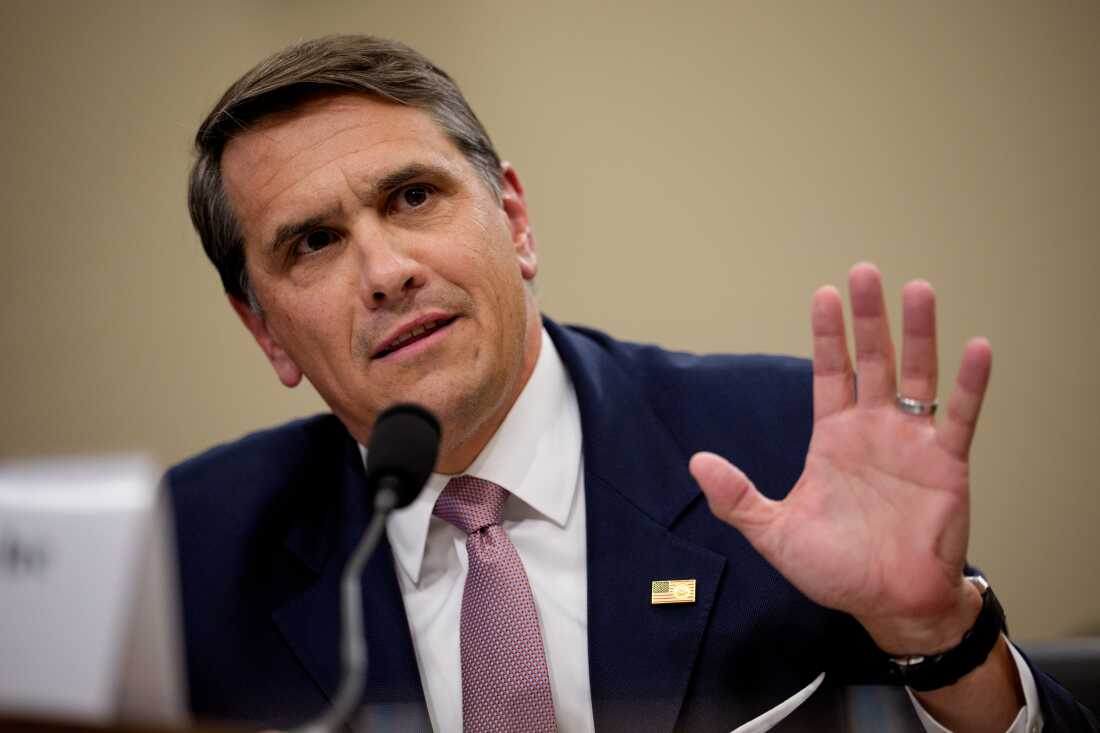
Acting U.S. Attorney General Todd Blanche testifies during a House committee hearing on June 2 in Washington, D.C. Andrew Harnik/Getty Images
A federal judge has delivered a significant warning to the U.S. Department of Justice (DOJ) amid growing legal and political controversy surrounding the Trump administration’s proposed $1.8 billion Anti-Weaponization Fund.
While the court declined to issue a temporary restraining order against the initiative, the ruling came with a sharp caution that has intensified scrutiny over the future of the fund. The development follows conflicting statements from administration officials and President Donald Trump regarding whether the controversial compensation program is still moving forward.
The latest courtroom battle highlights the ongoing debate over government accountability, political prosecutions, and the limits of executive authority as legal challenges continue to unfold.
What Is the Anti-Weaponization Fund?
The Anti-Weaponization Fund emerged from a settlement linked to a lawsuit filed by President Donald Trump, members of his family, and the Trump Organization regarding the disclosure of his federal tax returns.
The proposed fund would allocate approximately $1.776 billion to $1.8 billion to compensate individuals who claim they were victims of politically motivated investigations or prosecutions.
Supporters argue the fund would provide relief to people allegedly harmed by government overreach. Critics, however, contend that it could improperly direct public funds toward politically connected individuals and raise serious constitutional concerns.
The proposal quickly became one of the most debated legal initiatives of 2026.
Federal Judge Declines Immediate Block but Sends Strong Message
During a hearing in Washington, U.S. District Judge Richard Leon rejected a request from watchdog group Citizens for Responsibility and Ethics in Washington (CREW) seeking an emergency order to halt the fund.
However, Leon’s refusal to issue a temporary restraining order did not signal approval of the program.
Instead, the judge delivered a pointed warning to Justice Department officials, stating that the government should not “play possum” with the court regarding the true status of the fund.
The warning came after administration officials repeatedly claimed the initiative had been halted, while other public comments suggested it could still be revived.
Judge Leon emphasised that federal courts rely on truthful representations from government attorneys and indicated he would closely monitor future developments.
READ ALSO
Conflicting Signals From the Trump Administration
The legal dispute intensified after Acting Attorney General Todd Blanche told lawmakers during a congressional hearing that the Anti-Weaponization Fund was no longer moving forward.
According to Blanche, the administration had effectively abandoned the proposal.
However, just days later, President Trump appeared to express support for the concept during a televised interview, calling it a “great idea” and stating that people who suffered from alleged government weaponization deserved compensation.
Trump also indicated he would like to see payments made if the necessary approvals were obtained.
These contrasting statements became a focal point during court proceedings, raising questions about whether the fund has truly been terminated or merely paused.
Why Watchdog Groups Continue to Challenge the Fund
Despite government assurances that the initiative has been shelved, legal advocacy organizations remain unconvinced.
CREW argued that no formal action has been taken to rescind the legal framework establishing the fund. Attorneys representing the organization noted that administrative orders authorizing the program remain in place.
They also highlighted upcoming deadlines tied to the original settlement agreement, including requirements to establish an oversight board and transfer funds.
According to the plaintiffs, the absence of formal cancellation leaves open the possibility that the fund could be activated in the future without additional public scrutiny.
This concern formed the basis of their request for judicial intervention.
Separate Court Order Already Freezes Fund Activity
The legal landscape surrounding the Anti-Weaponization Fund remains complicated.
A separate federal lawsuit in Virginia previously resulted in a temporary order preventing the administration from taking steps to implement the program.
That freeze remains an important obstacle to any immediate effort to activate the fund.
Judge Leon acknowledged the existence of the separate case while suggesting that the current dispute may become moot if the administration permanently abandons the proposal.
However, he also indicated that the court could revisit the matter if new evidence suggests the fund is being revived.
What Happens Next?
The future of the Anti-Weaponization Fund remains uncertain.
While the Trump administration maintains that the proposal is not currently moving forward, critics point out that no official rescission has been issued.
Upcoming court hearings and potential document disclosures could provide further clarity regarding the government’s intentions.
For now, the fund remains legally challenged, politically controversial, and under close judicial scrutiny.
The case is expected to remain a major legal and political story as courts continue examining whether the initiative represents legitimate compensation for alleged victims of government misconduct or an unprecedented use of federal resources.
FAQ
What is the Anti-Weaponization Fund?
The Anti-Weaponization Fund is a proposed compensation program worth approximately $1.8 billion intended to provide payments to individuals who claim they were unfairly targeted by politically motivated investigations or prosecutions.
Why did Judge Richard Leon refuse to block the fund?
Judge Richard Leon declined to issue an emergency restraining order because the Justice Department stated that the fund is currently not moving forward. However, he warned officials not to mislead the court about its status.
Why did the judge tell the DOJ not to “play possum”?
The judge was responding to concerns that the government had given mixed messages about the fund. He cautioned DOJ attorneys against suggesting the fund was inactive if plans to revive it still existed.
Is the Anti-Weaponization Fund officially cancelled?
No. Although DOJ officials have stated that the fund is not proceeding, no formal rescission has reportedly been issued, leaving questions about its future.
What did Donald Trump say about the fund?
President Trump publicly stated that he believes the fund is a good idea and said people who were victims of government “weaponization” deserve compensation if approvals can be secured.
Who is challenging the Anti-Weaponization Fund?
Citizens for Responsibility and Ethics in Washington (CREW) and other plaintiffs have filed lawsuits seeking to block the initiative, arguing that it raises legal and constitutional concerns.
Is there already a court order blocking the fund?
Yes. A separate federal judge in Virginia previously issued a temporary order preventing the administration from implementing the fund while legal challenges are reviewed.
How much money would the Anti-Weaponization Fund distribute?
The proposed fund is valued at approximately $1.776 billion to $1.8 billion.
Why is the fund controversial?
Critics argue it could improperly use public resources and benefit politically connected individuals, while supporters say it would compensate people harmed by alleged government misconduct.
What happens next in the case?
Further court hearings are expected, and judges may review additional evidence and government records to determine whether the fund has truly been abandoned or could be revived in the future.
Could the Anti-Weaponization Fund still move forward?
Yes. Unless it is formally rescinded, legal observers say the possibility remains that the initiative could be revived, subject to court rulings and administrative decisions.
Why is this case receiving national attention?
The case involves major constitutional questions, a proposed multibillion-dollar compensation program, President Trump, the Department of Justice, and allegations of political weaponization of government institutions, making it one of the most closely watched legal disputes of 2026.