

Could you afford a US green card? Trump team weighs $100,000 bond requirement

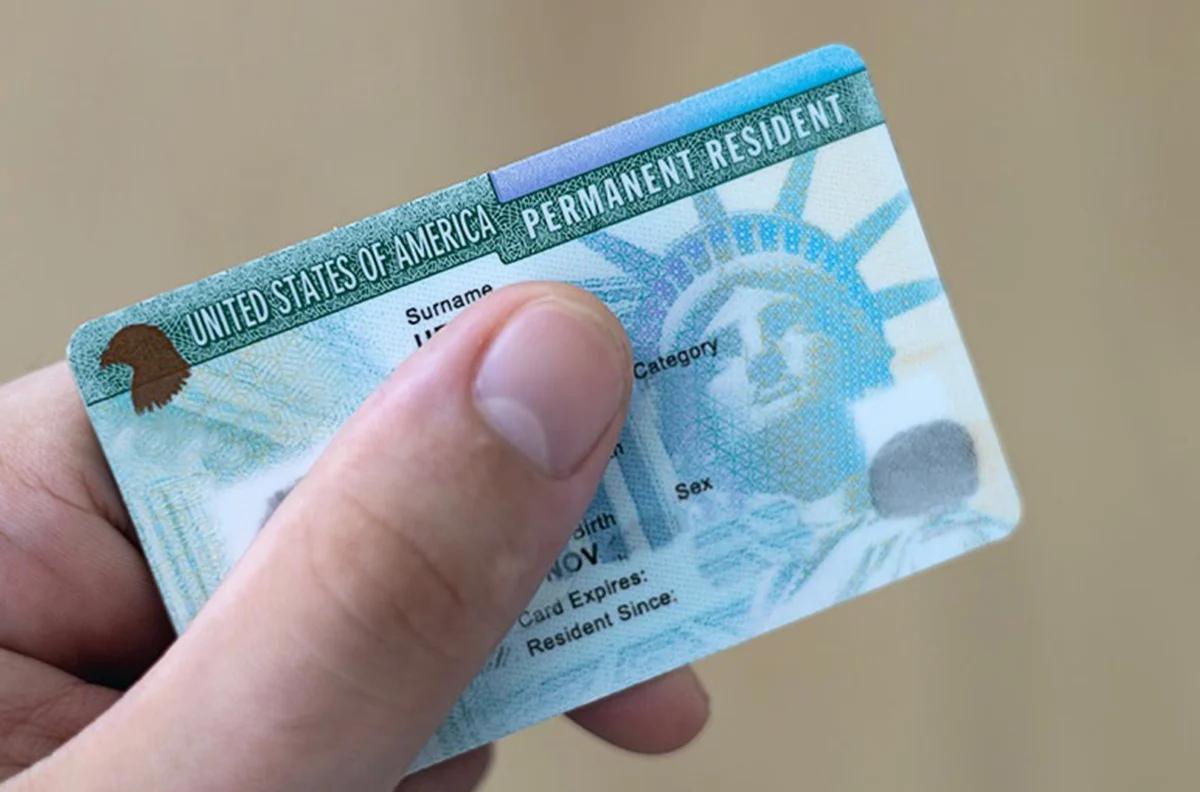
Proposed $100,000 green card bond could reshape US immigration policy. Image Credit: The Guardian
The Trump administration is evaluating a controversial immigration proposal that could require certain green card applicants to post a financial bond of up to $100,000 before obtaining lawful permanent residency in the United States.
The proposal, currently under review by the U.S. State Department and the Department of Homeland Security (DHS), is aimed at ensuring immigrants are financially self-sufficient and do not become a burden on public assistance programs. If implemented, the policy could significantly alter the immigration landscape for thousands of applicants worldwide, particularly individuals from countries with long green card backlogs, including India.
What Is the Proposed Green Card Bond Program?
According to administration officials, the proposed initiative would utilize provisions under the Immigration and Nationality Act (INA) that permit authorities to request financial assurances from visa applicants who may be considered likely to become a “public charge.”
Under the proposal, certain immigrants applying for permanent residency from outside the United States could be required to deposit a bond of up to $100,000 before receiving approval for an immigrant visa.
Officials indicated that the bond would serve as a guarantee that applicants possess sufficient financial resources to support themselves after arriving in the United States.
The State Department said it is exploring “commonsense and effective procedures” designed to protect public benefits programs from excessive financial strain.
Why the Trump Administration Is Considering the Policy
The proposal aligns with the administration’s broader immigration agenda focused on tightening immigration controls and reducing the fiscal burden associated with public benefits.
State Department spokesperson Tommy Pigott stated that the administration wants immigrants to contribute positively to American society and ensure that taxpayers are not left covering substantial medical or welfare expenses.
The administration has previously introduced measures targeting visa overstays, birth tourism, and illegal immigration. Officials believe a bond system may help reduce risks associated with applicants who are unable to support themselves financially.
A similar pilot program requiring bonds of up to $15,000 has reportedly been implemented for visa applicants from certain African countries, with officials claiming that visa overstay rates significantly declined.
READ ALSO
Trump tightens US immigration rules as Nigerians seeking green cards ordered to return home
Could Indian Green Card Applicants Be Affected?
One of the biggest concerns surrounding the proposal involves its potential impact on Indian nationals.
India has one of the largest employment-based green card backlogs in the United States. Due to annual per-country limits, many highly skilled Indian professionals face waiting periods that can extend for decades.
Industry estimates suggest that more than one million Indian nationals and their family members are currently waiting for employment-based permanent residency.
Immigration experts warn that requiring applicants or their sponsors to set aside $100,000 for years could create a significant financial burden, particularly for families already navigating lengthy immigration delays.
However, officials have not yet clarified which nationalities or visa categories would be included if the pilot program moves forward.
How Would the Bond System Work?
Under the proposal, applicants or their U.S.-based family sponsors may be allowed to deposit the bond amount on behalf of immigrants.
Reports indicate that the money could potentially be refunded after the immigrant successfully fulfills specific requirements, including eventually becoming a U.S. citizen.
Details regarding eligibility criteria, refund timelines, and implementation mechanisms remain under review.
At present, the standard costs associated with obtaining permanent residency are substantially lower. Green card filing fees generally range from a few hundred dollars to approximately $1,440 depending on the applicant’s category.
A bond requirement of $100,000 would therefore represent one of the most dramatic financial changes to U.S. immigration policy in recent years.
Legal and Political Challenges May Emerge
The proposal could face legal scrutiny if formally introduced.
The Trump administration previously attempted to impose substantial fees on certain visa categories, including H-1B applications, but those efforts were challenged in court.
Immigration advocates are also expected to argue that a six-figure bond could disproportionately impact middle-income families and potentially restrict access to lawful immigration pathways.
For now, the proposal remains under consideration and has not yet been implemented. Further details are expected in the coming months as the administration evaluates whether to expand the program.
FAQ
What is the proposed $100,000 green card bond?
The proposal would require certain immigrant visa applicants to deposit a financial bond of up to $100,000 before receiving lawful permanent resident status in the United States.
Has the $100,000 green card bond been approved?
No. The proposal is currently under review by the U.S. State Department and has not been officially implemented.
Will all green card applicants be required to pay the bond?
No. Officials have indicated that the requirement would apply only to certain applicants considered likely to become a public charge. Specific eligibility rules have not yet been announced.
Is the green card bond refundable?
Reports suggest the bond may be refundable after applicants successfully meet immigration requirements, potentially including obtaining U.S. citizenship. Final guidelines have not yet been released.
Why is the Trump administration considering this policy?
The administration says the proposal is intended to ensure immigrants are financially self-sufficient and reduce the burden on taxpayer-funded public benefit programs.
Will Indian applicants be affected?
Indian nationals could potentially be impacted because they represent one of the largest groups of employment-based green card applicants. However, officials have not yet specified which nationalities would be included.
How much does a green card currently cost?
Current green card filing costs are generally much lower, ranging from several hundred dollars to approximately $1,440 depending on the applicant’s category and application method.
Could the proposal face legal challenges?
Yes. Legal experts believe the proposal could face court challenges similar to previous immigration fee increases introduced by the Trump administration.
When could the new green card bond rule take effect?
There is currently no implementation date. The proposal remains under evaluation and may undergo revisions before any official rollout.
How would family sponsors be affected?
Family members residing in the United States may be permitted to post the bond on behalf of applicants, potentially requiring families to set aside significant funds for several years.