

Supreme Court fixes April 22 for PDP leadership showdown as power struggle intensifies

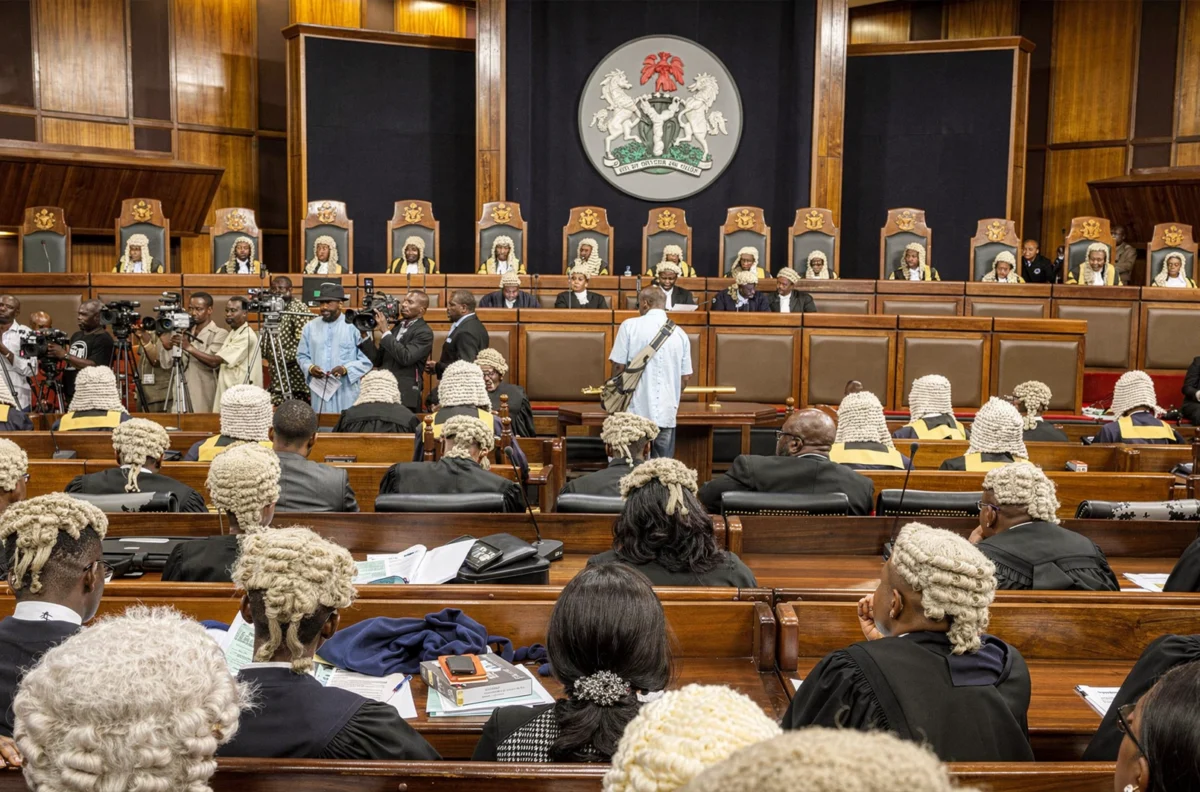
Supreme Court to hear PDP leadership appeals April 22
Nigeria’s political landscape is set for a decisive legal showdown as the Supreme Court of Nigeria has fixed April 22, 2026, to hear critical appeals surrounding the leadership crisis in the Peoples Democratic Party (PDP).
The case, which has drawn significant national attention, is expected to shape the internal structure of one of Nigeria’s major opposition parties ahead of the 2027 general elections.
Supreme Court Orders Accelerated Hearing in PDP Crisis
A five-member panel of the apex court, led by Justice Mohammed Garba, granted an accelerated hearing of the appeals filed by the Kabiru Turaki-led faction of the PDP.
The court also approved a departure from standard procedures, shortening the timeline for filing legal briefs. Respondents have been ordered to submit their arguments within five days, while appellants are allowed two days to respond.
This move signals the court’s recognition of the urgent political implications of the dispute, particularly as electoral timelines approach.
Background: PDP Leadership Dispute and Court Judgments
The appeals stem from earlier rulings by the Court of Appeal, which upheld decisions of the Federal High Court in Abuja. These judgments invalidated the PDP’s Ibadan National Convention held in November 2025, citing non-compliance with statutory provisions, including the Electoral Act and party guidelines.
The Turaki-led faction is now seeking to overturn those decisions, arguing that the matter concerns internal party affairs, which they claim should not be subject to judicial interference.
Among the key figures involved in the legal battle is Sule Lamido, one of the aggrieved members who initially challenged the convention process.
Key Political Figures Present at Supreme Court Proceedings
Tuesday’s proceedings attracted several prominent political stakeholders, including:
- Seyi Makinde
- Sule Lamido
- Kabiru Turaki
- Aliyu Babangida
Their presence underscores the high stakes involved, as the outcome could redefine leadership control within the PDP.
READ ALSO
Legal Stakes: Convention Legitimacy and Party Control
At the heart of the dispute is the legitimacy of the PDP’s national convention, a key process that determines leadership positions and party direction.
Lower courts had ruled against the Turaki-led executives, effectively:
- Nullifying the convention outcomes
- Preventing recognition by the Independent National Electoral Commission (INEC)
- Restricting access to party structures in some cases
The Supreme Court’s decision will therefore determine which faction holds legitimate authority within the party.
Implications for Nigeria’s 2027 General Elections
The timing of the case is crucial. With preparations gradually intensifying for the 2027 elections, clarity on PDP leadership is essential for:
- Candidate selection processes
- Strategic alliances
- Electoral compliance
Legal experts note that a delayed resolution could weaken the party’s competitiveness, while a clear ruling may stabilize internal structures and restore confidence among party members.
Broader Political Context and Urgency
Counsel to the appellants emphasised the need for urgency, citing alignment with the Independent National Electoral Commission (INEC) timetable.
The court’s willingness to expedite proceedings reflects broader concerns about judicial delays affecting political stability in Nigeria.
Observers believe the ruling could set a precedent on how courts handle intra-party disputes, particularly regarding the balance between internal autonomy and legal oversight.
What Happens Next?
The Supreme Court has adjourned proceedings to April 22, 2026, when it will hear arguments from all parties involved.
The final judgment is expected to:
- Clarify leadership authority within the PDP
- Determine the validity of past party decisions
- Influence political alignments ahead of 2027
Until then, the PDP remains deeply divided, with both factions preparing for a legal and political battle that could reshape Nigeria’s opposition landscape.
FAQ
What is the Supreme Court case about PDP leadership?
The case involves appeals challenging earlier court rulings that invalidated the PDP’s 2025 national convention. The Supreme Court will determine which faction has legitimate leadership.
When will the Supreme Court hear the PDP appeals?
The Supreme Court of Nigeria has scheduled the hearing for April 22, 2026.
Why was the PDP convention nullified?
Lower courts ruled that the convention failed to comply with electoral laws and party regulations, leading to its invalidation.
Who are the key figures in the PDP leadership dispute?
Prominent figures include Kabiru Turaki, Sule Lamido, and Seyi Makinde.
What does accelerated hearing mean in this case?
It means the court has shortened procedural timelines to ensure a faster resolution due to the urgency of the political situation.
How could the ruling affect the 2027 elections?
The decision will determine PDP’s leadership structure, which is critical for candidate selection and party strategy ahead of the elections.
Can courts interfere in political party affairs in Nigeria?
While parties have internal autonomy, courts can intervene when there are violations of electoral laws or constitutional provisions.
What happens if the Supreme Court upholds the lower court rulings?
If upheld, the current PDP leadership linked to the invalidated convention may lose legitimacy, forcing a restructuring of party leadership.
Why is the PDP crisis important to Nigeria’s politics?
As a major opposition party, instability within the PDP could impact democratic competition and electoral balance in Nigeria.