

Supreme Court shuts down Carter Page lawsuit against James Comey after $1.25 million settlement

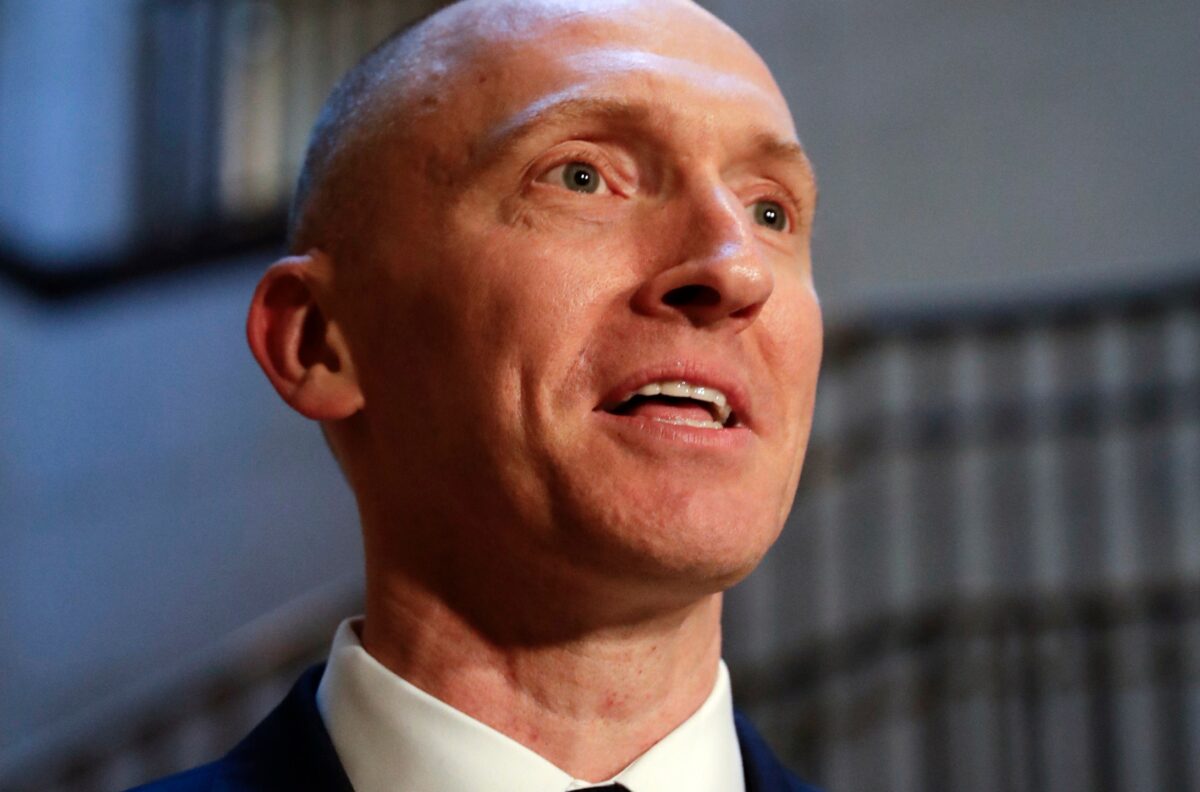
Carter Page. Image Credit: AP Photo/J. Scott Applewhite
The U.S. Supreme Court has declined to revive a lawsuit filed by former Trump campaign adviser Carter Page against former FBI Director James Comey and other federal officials, effectively bringing one of the last remaining legal disputes tied to the controversial Russia investigation to a close.
The decision, announced Monday, marks a significant development in a case that has remained politically and legally contentious since the FBI’s surveillance of Page during its investigation into Russian interference in the 2016 U.S. presidential election.
The Supreme Court offered no explanation for its decision, which leaves intact lower court rulings that dismissed Page’s claims on procedural grounds.
Supreme Court Refuses to Hear Carter Page Appeal
In a brief order released Monday, the Supreme Court declined to take up Page’s appeal challenging previous court decisions that threw out his lawsuit against Comey, former FBI Deputy Director Andrew McCabe, and several other officials.
Page had argued that federal investigators improperly obtained surveillance warrants that allowed authorities to monitor his phone calls and electronic communications under the Foreign Intelligence Surveillance Act (FISA).
However, lower courts ruled that Page waited too long to bring his claims, determining that the lawsuit was barred by the applicable statute of limitations.
By refusing to hear the appeal, the Supreme Court effectively ends Page’s attempt to hold former government officials personally liable for the surveillance operation.
How Carter Page Became Central to the Russia Investigation
Carter Page served as a foreign policy adviser to Donald Trump’s 2016 presidential campaign and attracted scrutiny because of his previous contacts with Russian officials and his travels to Moscow.
As federal investigators examined potential links between Russia and individuals connected to the Trump campaign, the FBI sought and received FISA warrants authorizing surveillance of Page.
The surveillance later became one of the most controversial aspects of the broader Russia investigation, particularly after a Department of Justice Inspector General report identified significant errors and omissions in the FBI’s warrant applications.
While the report criticised aspects of the process used to obtain the surveillance authorization, Page was never charged with any crime related to the investigation.
Inspector General Report Fueled Legal Challenges
A key element of Page’s lawsuit stemmed from findings released by the Justice Department’s Inspector General in 2019.
The report concluded that investigators made several mistakes and omitted potentially important information when seeking court approval for surveillance warrants targeting Page.
Page argued that these revelations demonstrated that the government’s actions damaged his reputation, harmed business opportunities, and violated his constitutional rights.
His legal team maintained that the statute of limitations should have started when the inspector general’s findings became public, rather than when the surveillance occurred.
Federal courts rejected that argument, concluding that Page’s claims were filed too late.
READ ALSO
Supreme Court backs FCC data privacy enforcement in major blow to AT&T and Verizon
Trump Administration Previously Settled Separate Claims
Although Monday’s Supreme Court decision ends Page’s lawsuit against individual officials, it does not affect a separate settlement reached earlier this year.
In April 2026, the Department of Justice agreed to pay Page $1.25 million to settle claims he brought against the federal government.
At the time, the Justice Department acknowledged serious flaws in the investigation and described the inquiry into Page as relying on uncorroborated and problematic information.
That settlement resolved claims against federal agencies but left unresolved Page’s efforts to pursue damages from individual officials, including Comey and McCabe.
Monday’s Supreme Court action closes that chapter of the litigation.
Why the Supreme Court’s Decision Matters
The ruling underscores the significant procedural hurdles plaintiffs face when attempting to sue federal officials over government investigations and surveillance activities.
By allowing lower court decisions to stand, the Supreme Court reinforced the importance of filing claims within legally established deadlines, regardless of later discoveries or public disclosures.
The decision also represents another legal endpoint for issues stemming from the years-long controversy surrounding the FBI’s Russia investigation and the surveillance of Trump campaign associates.
While political debates surrounding the investigation continue, the Court’s refusal to intervene means Carter Page has exhausted one of his final legal avenues in the case.
What’s Next for Carter Page?
With the Supreme Court declining review, there are few remaining legal options available to Page regarding his claims against former FBI officials.
The former Trump campaign adviser has already secured a financial settlement from the federal government, but his efforts to obtain personal accountability from officials involved in the surveillance process have now effectively come to an end.
The decision closes a legal battle that has stretched for years and remained intertwined with broader debates over government surveillance, political investigations, and accountability within federal law enforcement agencies.
FAQ
Who is Carter Page?
Carter Page is an energy consultant and former foreign policy adviser to Donald Trump’s 2016 presidential campaign. He became a focus of the FBI’s Russia investigation due to his contacts with Russian officials and overseas travel.
Why did Carter Page sue James Comey?
Page sued former FBI Director James Comey and other officials, alleging they were responsible for flawed surveillance applications that led to the monitoring of his communications during the Russia investigation.
What did the Supreme Court decide in the Carter Page case?
The Supreme Court declined to hear Page’s appeal, allowing lower court decisions dismissing his lawsuit to remain in place.
Why was Carter Page under FBI surveillance?
The FBI obtained FISA warrants to surveil Page during its investigation into possible Russian interference in the 2016 election and potential connections to individuals associated with the Trump campaign.
Was Carter Page ever charged with a crime?
No. Carter Page was never charged with any criminal offense related to the Russia investigation.
What was wrong with the FBI’s surveillance application?
A Justice Department Inspector General report found significant errors and omissions in the FBI’s applications for surveillance warrants targeting Page.
Did Carter Page receive any compensation?
Yes. In April 2026, the Department of Justice agreed to pay Carter Page $1.25 million to settle separate claims against the federal government.
Why did lower courts dismiss Carter Page’s lawsuit?
Courts ruled that Page filed his lawsuit after the legal deadline established by the statute of limitations had expired.
Did the Supreme Court explain its decision?
No. The Supreme Court issued a brief order declining to hear the appeal and did not provide an explanation.
What is a FISA warrant?
A FISA warrant is a court-approved authorization that allows U.S. intelligence and law enforcement agencies to conduct surveillance in cases involving foreign intelligence or national security concerns.
What does this ruling mean for Carter Page?
The decision effectively ends his effort to pursue personal liability claims against former FBI officials involved in the surveillance process.
Is the Carter Page controversy connected to the Trump-Russia investigation?
Yes. The surveillance of Carter Page became one of the most controversial aspects of the broader investigation into Russian interference in the 2016 U.S. presidential election.
What role did James Comey play in the case?
James Comey served as FBI Director during the early stages of the Russia investigation and was named among the defendants in Page’s lawsuit.
Can Carter Page continue pursuing legal action?
The Supreme Court’s refusal to hear the case significantly limits any remaining legal options related to this specific lawsuit.