
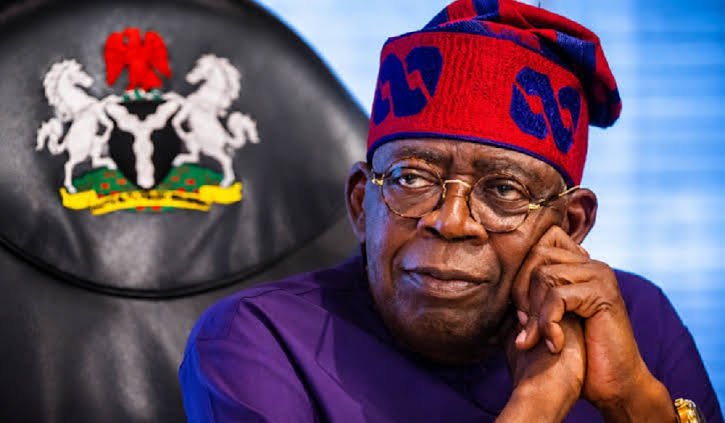
When President Bola Tinubu announced the removal of petrol subsidy in May 2023, Nigerians were told that the country could no longer afford the policy. More than three years later, the government is introducing temporary fuel-price relief and cash transfers to help households cope with rising living costs. The contrast raises questions about the promises of economic reform and the burden Nigerians continue to bear.
The Tinubu administration has consistently defended its decision to remove petrol subsidy, describing it as a necessary step towards rescuing Nigeria’s finances and redirecting public funds to development.
In his July 2023 national broadcast, Tinubu said the subsidy had cost the country trillions of naira annually. He argued that the money could have been better spent on healthcare, education, housing, transportation and national security.
The president also acknowledged that the policy had increased fuel prices, with the cost of food and other essential goods following the same direction. He appealed to Nigerians to endure the hardship, promising that the reforms would eventually improve the economy.
However, the transition has come with significant economic pressure on households.
The World Bank reported that nearly 46% of Nigerians lived below the international poverty line of $2.15 daily in 2024. It also estimated that another 10 million Nigerians had fallen into poverty that year as incomes failed to keep pace with inflation.
Although subsidy removal was not the only factor behind the economic difficulties, higher fuel prices, exchange-rate depreciation and rising transportation costs contributed to the pressure on households.
From subsidy removal to government relief programmes
As the hardship intensified, the Federal Government introduced several intervention programmes to support Nigerians.
These included cash transfers to vulnerable households, student loans, grants and subsidised financing for businesses. The government maintained that the interventions would help citizens withstand the temporary difficulties associated with economic reforms.
However, the need for additional support has continued.
In October 2026, the government announced another intervention involving the Nigerian National Petroleum Company Limited (NNPC).
The national oil company agreed to forgo its retail profit margin and sell petrol at cost for 30 days. The measure was intended to cushion the impact of rising global crude oil prices on Nigerian households.
The government, however, insisted that the arrangement did not amount to restoring petrol subsidy. It described the intervention as a temporary relief measure within the existing market-based pricing system.
This creates an interesting contrast with the administration’s earlier position that subsidised petrol pricing was financially unsustainable.
Another ₦50,000 relief programme
Barely three weeks after the fuel-price intervention was announced, the Federal Government introduced the National Emergency Relief and Stabilisation Intervention (NERSI).
Under the programme, eligible vulnerable Nigerians are expected to receive ₦50,000 in financial assistance through approved digital payment providers.
Humanitarian Affairs Minister Bernard Doro announced on October 30 that beneficiaries would receive the money monthly. However, the programme’s website initially described the payment as a one-off intervention, creating confusion about how frequently recipients would receive the money.
Following questions raised in an investigation by the Foundation for Investigative Journalism, the ministry removed the one-off description from its website on November 5.
The programme is intended to support vulnerable households facing high food prices and the rising cost of essential goods.
What does the timing mean?
Nigeria’s next presidential election is scheduled for January 16, 2027, according to the Independent National Electoral Commission.
The new relief announcements have therefore come within months of another general election, at a time when the administration faces continuing public concerns about living costs.
The timing is worth examining, although it does not independently establish that the interventions were introduced for electoral purposes.
There is also a bigger economic question.
The government asked Nigerians to accept the removal of subsidy as a necessary sacrifice to rescue the economy. It subsequently introduced several relief programmes to help citizens cope with the consequences of economic adjustment.
The administration maintains that the reforms are producing long-term benefits and that temporary interventions are necessary to protect vulnerable households.
But for Nigerians still struggling with the cost of transportation, food and other basic needs, an important question remains: If subsidy removal was necessary to save Nigeria from economic collapse, why does the government still need temporary relief measures to help Nigerians survive the resulting economic pressures?