

Solar Eclipse 2026: Everything you need to know about the rare August 12 sky event, best viewing locations and safe viewing tips

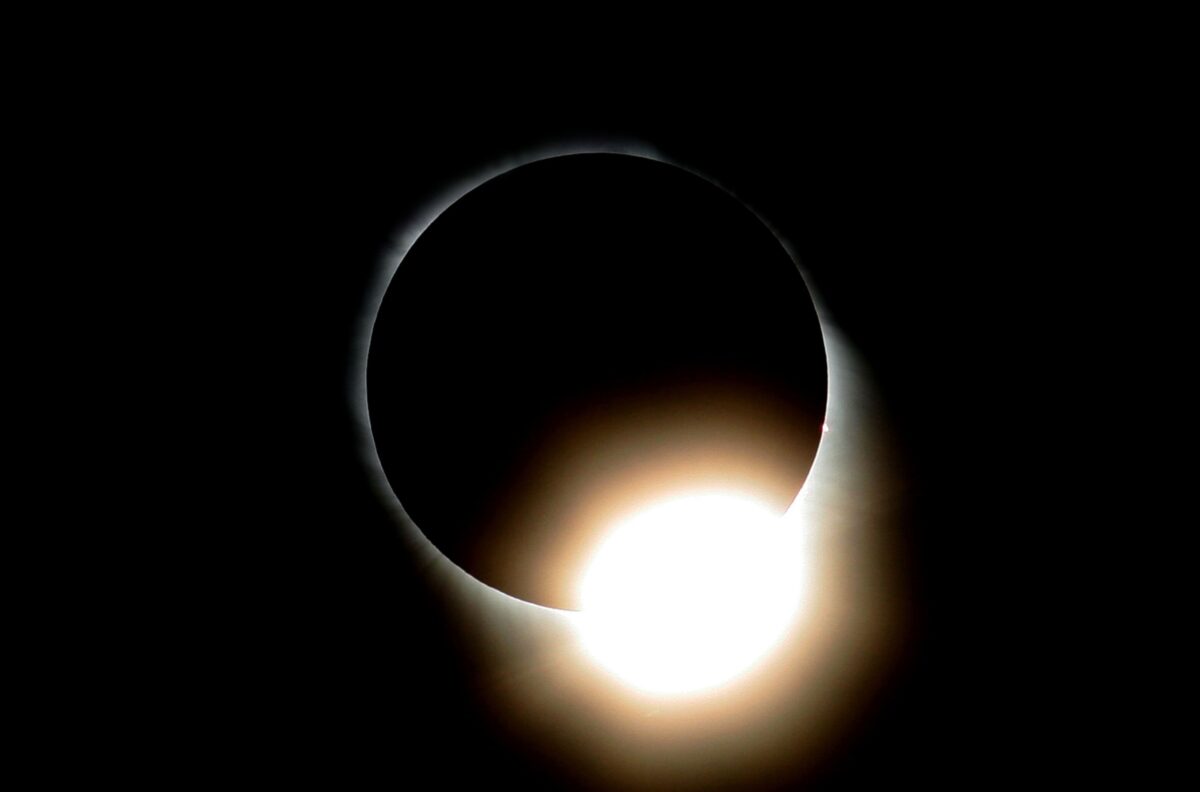
August 2026 total solar eclipse in Europe to create dramatic twilight skies. Image Credit: SSPL/Getty Images
Skywatchers across Europe, North America and other parts of the world are preparing for one of the most remarkable astronomical events in recent years as the August 12, 2026 total solar eclipse approaches.
The eclipse is expected to transform daylight into twilight along a narrow path stretching across Greenland, Iceland, northern Spain and parts of Portugal, while millions more people in Europe, northeastern North America and parts of Canada will witness a partial eclipse.
The event becomes even more extraordinary because it arrives on a day packed with several major celestial events. On August 12, observers will also experience a planetary alignment, the peak of the Perseid meteor shower and a new moon, creating ideal conditions for astronomy enthusiasts.
Scientists and astronomy organizations are already calling it one of the biggest skywatching opportunities of 2026.
Where the Total Solar Eclipse Will Be Visible
Unlike the 2024 eclipse that crossed North America, the 2026 total solar eclipse will primarily favor Europe.
The Moon’s shadow will pass directly across Greenland before moving over Iceland and northern Spain, with parts of Portugal also experiencing totality.
People standing inside this narrow path will witness the Moon completely covering the Sun for several minutes, allowing the Sun’s outer atmosphere, known as the corona, to become visible.
This rare phenomenon only occurs during total solar eclipses and remains one of nature’s most breathtaking spectacles.
Astronomy teams, photographers and researchers from around the world are already traveling to these regions to capture the event.
Millions in the United States Will See a Partial Solar Eclipse
Although the United States will not experience totality, millions of Americans will still have an opportunity to witness a partial solar eclipse.
During a partial eclipse, the Moon covers only part of the Sun, making it appear as though a bite has been taken from its edge.
According to eclipse forecasts, visibility will extend across portions of the northeastern and northern United States.
States expected to experience at least part of the eclipse include:
- Alaska
- Connecticut
- Delaware
- Illinois
- Indiana
- Iowa
- Maine
- Maryland
- Massachusetts
- Michigan
- Minnesota
- Montana
- New Hampshire
- New Jersey
- New York
- North Carolina
- North Dakota
- Ohio
- Pennsylvania
- Rhode Island
- South Dakota
- Vermont
- Virginia
- West Virginia
- Wisconsin
Viewing quality will vary depending on location, weather conditions and cloud cover.
Why August 12 Is the Biggest Stargazing Day of 2026
The solar eclipse is only one part of what makes August 12 exceptional.
Astronomers point out that four major celestial events will occur within the same 24-hour period.
Before sunrise, six planets, including Jupiter, Mercury, Mars, Saturn, Uranus and Neptune, will line up in a spectacular planetary alignment.
Later that day, the partial and total solar eclipse will unfold.
After sunset, the annual Perseid meteor shower will reach its peak, producing as many as 50 to 100 meteors every hour under ideal viewing conditions.
Adding to the spectacle, the new moon will leave skies unusually dark, eliminating moonlight that often interferes with meteor observations.
The combination makes August 12 one of the best nights for astronomy enthusiasts in years.
READ ALSO
Total solar eclipse 2026: Exact times, best places to watch and safety tips
Planetary Parade Adds Another Rare Attraction
Skywatchers willing to wake before dawn will be rewarded with a planetary alignment involving six planets.
Mars and Saturn will be visible without optical equipment under favorable conditions, while Uranus requires binoculars and Neptune is best viewed through a telescope.
Astronomy experts recommend using mobile sky-mapping applications to identify each planet accurately since several resemble bright stars to the naked eye.
Just two days later, Venus will also reach one of its brightest appearances of the year, adding another highlight to an already remarkable month for astronomy.
How to Watch the Solar Eclipse Safely
Experts continue emphasizing that looking directly at the Sun without proper eye protection can cause permanent eye damage.
Anyone planning to observe the eclipse should use certified eclipse glasses that meet international safety standards.
Regular sunglasses—even very dark ones—do not provide sufficient protection.
Observers using telescopes, binoculars or cameras should also attach approved solar filters before aiming equipment toward the Sun.
Only viewers standing inside the path of totality may briefly remove eclipse glasses during the short period when the Sun is completely covered.
Since the United States will only experience a partial eclipse, viewers there should keep their eclipse glasses on throughout the event.
Weather Could Decide the Best Viewing Experience
Astronomers also encourage observers to monitor local weather forecasts in the days leading up to August 12.
Cloud cover can significantly reduce visibility, making flexible travel plans useful for those hoping to experience totality.
Finding locations away from city lights remains especially important for those planning to continue watching the Perseid meteor shower later that evening.
Comfortable seating, warm clothing for cooler nighttime temperatures and allowing eyes approximately 30 minutes to adjust to darkness can greatly improve the viewing experience.
Scientists Prepare for Major Eclipse Research
Beyond its visual appeal, the eclipse provides valuable scientific opportunities.
Researchers plan to study the Sun’s corona, atmospheric changes during totality and other solar phenomena that become visible only when the Moon completely blocks the Sun.
Citizen science projects across Europe will also allow amateur astronomers to contribute observations alongside professional researchers, helping improve understanding of solar activity.
The August 12, 2026 Solar Eclipse promises to be far more than a routine astronomical event. With a total eclipse crossing parts of Europe, a partial eclipse visible across sections of North America, a six-planet alignment before sunrise, the year’s best meteor shower after sunset and a new moon creating perfectly dark skies, the day offers an extraordinary sequence of celestial events.
Whether watching from Spain, Iceland, Greenland or simply enjoying the partial eclipse and meteor shower from home, millions of people are expected to look skyward for what could become one of the defining astronomy events of the decade.
FAQ
When is the total solar eclipse in 2026?
The total solar eclipse will occur on Wednesday, August 12, 2026.
Where will the total solar eclipse be visible?
The path of totality crosses Greenland, Iceland, northern Spain and parts of the Balearic Islands, where viewers will experience complete darkness during totality.
Will the United States see the total solar eclipse?
No. The continental U.S. will not experience totality. Instead, parts of the country will witness a partial solar eclipse, with the moon covering a portion of the sun.
Which U.S. states can see the partial solar eclipse?
Visibility includes parts of:
- Alaska
- Connecticut
- Delaware
- Illinois
- Indiana
- Iowa
- Maine
- Maryland
- Massachusetts
- Michigan
- Minnesota
- Montana
- New Hampshire
- New Jersey
- New York
- North Carolina
- North Dakota
- Ohio
- Pennsylvania
- Rhode Island
- South Dakota
- Vermont
- Virginia
- West Virginia
- Wisconsin
What time does the August 12 solar eclipse begin?
The partial eclipse begins around 11:34 a.m. ET, with maximum eclipse occurring around 1:46 p.m. ET. Local viewing times vary depending on location.
Why is August 12, 2026 such a special astronomy day?
August 12 features several major celestial events on the same day:
- Total solar eclipse
- Partial solar eclipse in North America
- Six-planet alignment
- Peak of the Perseid meteor shower
- New Moon producing exceptionally dark skies
This combination makes it one of the most remarkable skywatching days in recent years.
Which planets will align on August 12?
The six-planet parade includes:
- Mercury
- Jupiter
- Mars
- Saturn
- Uranus
- Neptune
Mars and Saturn are easier to see with the naked eye, while Uranus requires binoculars and Neptune generally requires a telescope.
What is the Perseid meteor shower?
The Perseids are considered one of the year’s strongest meteor showers, often producing 50 to 100 meteors per hour under dark skies.
Why does the New Moon matter?
A New Moon means there is virtually no moonlight to brighten the night sky, allowing meteor showers and faint celestial objects to become much easier to observe.
Do I need eclipse glasses?
Yes. Anyone viewing any part of the sun during a partial eclipse must wear ISO 12312-2 certified solar eclipse glasses.
Can sunglasses replace eclipse glasses?
No. Ordinary sunglasses are not safe for viewing the sun during an eclipse.
Is it safe to look during totality?
Only observers located directly inside the path of totality may briefly remove eclipse glasses when the sun is completely covered. Everyone outside totality—including viewers in the United States—must keep eclipse glasses on throughout the eclipse.
Where are the best places to watch the total eclipse?
Top destinations include:
- Northern Spain
- Iceland
- Greenland
- Balearic Islands
These locations lie along the eclipse’s path of totality.
Will Canada see the eclipse?
Parts of eastern Canada will experience a partial solar eclipse.
How can I prepare for eclipse viewing?
Experts recommend:
- Purchase ISO-certified eclipse glasses early.
- Check weather forecasts.
- Find an open viewing location.
- Arrive before the eclipse begins.
- Avoid looking directly at the sun without proper protection.
Will there be another eclipse in 2026?
Yes. A partial lunar eclipse will occur on August 27–28, 2026, visible across much of North and South America.
What is a planetary parade?
A planetary parade occurs when several planets appear lined up across the sky from Earth’s perspective. They are not actually close together in space but appear aligned visually.
Why are eclipse glasses selling out?
Demand rises sharply before major eclipses, and retailers frequently run out of certified eclipse glasses in the days leading up to eclipse day.
Can I photograph the eclipse with my phone?
Yes, but only if you use a proper solar filter over the camera lens. Photographing the sun without a solar filter can damage both your camera and your eyesight.
Why is Europe calling this a historic eclipse?
Europe has not experienced a total solar eclipse since 1999, making the August 12, 2026 event especially significant for millions of observers.