

Ebola: Can You Still Spread the Virus After Recovery? What WHO Says

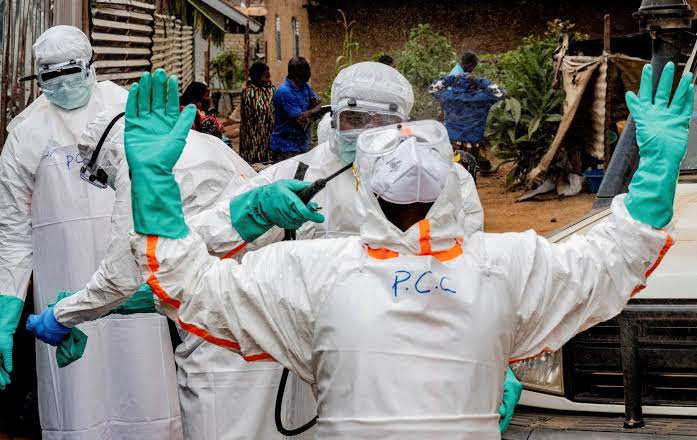
Recovering from Ebola does not always mean the virus has disappeared from every part of the body. The World Health Organisation (WHO) has explained how some survivors may still transmit the infection through sexual contact, even after recovering from the disease.
The WHO has warned that Ebola survivors may transmit the virus through sexual intercourse if it remains in their semen after recovery. However, survivors who have met the criteria for discharge from treatment centres are not expected to transmit the virus through sweat or saliva.
Patrick Otim, programme area manager for emergency response at the WHO Regional Office for Africa, explained this in a video answering questions about the disease, according to Premium Times on Wednesday, October 28, 2026.
His explanation comes amid renewed concerns about Ebola following an imported case reported in Nigeria and a wider outbreak in parts of Africa.
Why Ebola can persist after recovery
Ebola is a severe viral disease that spreads through direct contact with the blood or other bodily fluids of an infected person, particularly after symptoms develop.
Although patients can recover, the virus may persist in certain parts of the body, including the testes, even after it has been cleared from the bloodstream.
This persistence explains why some survivors may remain at risk of transmitting the virus through semen.
According to the WHO’s guidance on Ebola, transmission through infected semen has been documented up to 15 months after clinical recovery.
However, this does not mean every survivor remains infectious. The risk depends on whether the virus persists in the relevant body fluid.
Can Ebola survivors spread the virus through sweat or saliva?
The WHO says survivors who have recovered and met the criteria for discharge from treatment centres are not expected to transmit Ebola through sweat or saliva.
Otim explained that patients must have two negative blood tests before discharge. This indicates that the virus has been cleared from their blood, although it may persist in certain body sites.
The situation is different for people who are still actively ill.
According to the WHO, infected people can transmit Ebola through bodily fluids, including blood, vomit, faeces and sweat. Direct contact with contaminated fluids can spread the virus when it enters another person’s body through broken skin or mucous membranes.
Therefore, the WHO’s reassurance about sweat and saliva applies to recovered survivors who have met the discharge criteria. It should not be interpreted as meaning that these fluids are harmless during active illness.
What should Ebola survivors do after recovery?
The WHO recommends that male survivors practise safer sex and undergo semen testing where available.
Otim said survivors should receive counselling and access to condoms after leaving treatment centres. They should continue regular semen testing until they obtain two consecutive negative results.
Where semen testing is unavailable, the WHO recommends safer sex practices for 12 months.
These measures are intended to reduce the possibility of transmission while the virus persists in semen.
The WHO also emphasises that survivors deserve medical follow-up, respect and support as they return to their communities.
Does recovery mean Ebola is cured?
Yes, people can recover from Ebola, and effective treatments are available for certain types of the virus.
However, clinical recovery does not always mean that the virus has disappeared from every part of the body.
The possibility of viral persistence is why survivor monitoring remains important, even after a patient has tested negative and been discharged.
For the public, the key distinction is between someone who has recovered and met the discharge criteria and someone who is still experiencing an active infection.
Understanding that difference can help prevent unnecessary fear of survivors while ensuring that appropriate precautions remain in place.