

Severe thunderstorm watch issued across West Michigan as 80 MPH winds, large hail and dangerous lightning threaten multiple counties

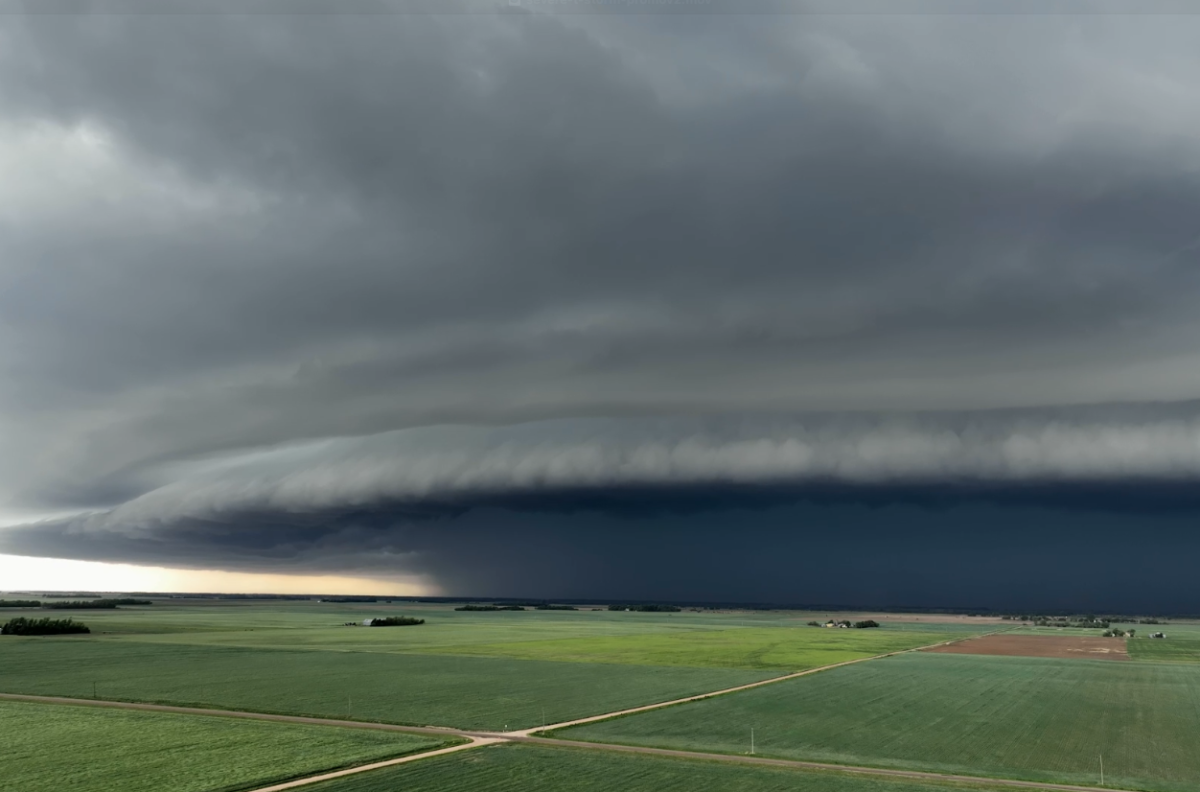
Severe thunderstorm threaten West Michigan with 80 mph winds. Image Credit: WxChasing
Residents across much of West Michigan are being urged to stay weather-aware after the National Weather Service (NWS) issued a Severe Thunderstorm Watch covering dozens of counties on Friday, with forecasters warning of destructive winds reaching up to 80 mph, large hail, frequent lightning and heavy rainfall.
As storms rapidly developed throughout the afternoon, the watch was quickly followed by multiple Severe Thunderstorm Warnings affecting several communities, signaling that dangerous weather was either occurring or imminent.
Meteorologists warned that the strongest storms could produce straight-line winds capable of causing widespread tree damage, power outages, structural damage and hazardous travel conditions through Friday evening.
Severe Thunderstorm Watch Covers Much of West Michigan
The National Weather Service placed a large portion of Michigan under a Severe Thunderstorm Watch beginning Friday afternoon, with the alert remaining in effect until approximately 10 p.m. local time.
Initially, the watch included counties such as:
- Allegan
- Barry
- Branch
- Calhoun
- Cass
- Kalamazoo
- St. Joseph
- Van Buren
Additional counties covered by the broader watch include:
- Berrien
- Clinton
- Eaton
- Genesee
- Hillsdale
- Ingham
- Ionia
- Jackson
- Kent
- Lapeer
- Lenawee
- Livingston
- Macomb
- Monroe
- Oakland
- Ottawa
- Shiawassee
- St. Clair
- Washtenaw
- Wayne
A Severe Thunderstorm Watch means atmospheric conditions are favorable for severe storms to develop. While severe weather may not already be occurring, residents should be prepared to take immediate action if warnings are issued.
Warnings Issued as Powerful Storms Intensify
As the afternoon progressed, weather radar detected rapidly strengthening storm cells, prompting the National Weather Service to issue multiple Severe Thunderstorm Warnings across the region.
Warnings were issued for counties including:
- Berrien
- Cass
- St. Joseph
- Kalamazoo
- Calhoun
- Kent
- Barry
- Branch
- Ionia
Several of these warnings indicated storms capable of producing winds up to 80 mph, quarter-sized to ping-pong-ball-sized hail and intense lightning.
Meteorologists described some storms as destructive, cautioning that widespread damage to trees, power lines, roofs, mobile homes and outbuildings was possible.
80 MPH Wind Gusts Pose Greatest Threat
Forecasters identified damaging straight-line winds as the primary concern during Friday’s severe weather outbreak.
Wind gusts approaching 80 mph can easily:
- Snap large tree branches.
- Uproot mature trees.
- Damage roofs and siding.
- Down power lines.
- Create dangerous driving conditions.
- Cause widespread power outages.
Frequent cloud-to-ground lightning and isolated large hail also increase the risk to anyone outdoors.
Officials warned residents to avoid unnecessary travel during the strongest storms and remain indoors until conditions improve.
READ ALSO
What Residents Should Do During a Severe Thunderstorm Warning
Unlike a watch, a Severe Thunderstorm Warning indicates that dangerous weather has already been detected by radar or reported by trained weather spotters.
Emergency officials recommend that residents:
- Move immediately to an interior room on the lowest floor of a sturdy building.
- Stay away from windows and glass doors.
- Avoid using electrical appliances during intense lightning.
- Delay travel until storms have passed.
- Leave vehicles if possible and seek shelter in a permanent structure rather than remaining inside a car during destructive winds.
- Continue monitoring official weather updates.
Authorities emphasised that these storms could become life-threatening if proper safety precautions are ignored.
Power Outages and Tree Damage Possible
With severe storms sweeping across the region, utility companies warned that power outages could occur as strong winds bring down trees and electrical lines.
Residents are encouraged to keep mobile phones charged, prepare flashlights and battery-powered weather radios, and report outages directly to their local utility providers.
Outdoor furniture, garbage bins and loose objects should also be secured before the strongest winds arrive.
Officials Urge Residents to Stay Weather Aware
Meteorologists stressed the importance of receiving weather alerts through multiple reliable sources.
Recommended methods include:
- NOAA Weather Radio
- Local television weather broadcasts
- Official weather apps
- Smartphone emergency alerts
- Local radio stations
- Community emergency notification systems
- Outdoor warning sirens (for people outdoors)
Officials note that outdoor sirens are not designed to alert people inside buildings, making mobile alerts and weather radios essential during severe weather events.
Storm System Continues to Be Monitored
Weather officials continue tracking storm development throughout West Michigan and warned additional Severe Thunderstorm Warnings may be issued as the system moves eastward.
Residents are advised to monitor local forecasts closely throughout the evening, as changing weather conditions could lead to new warnings or upgraded alerts.
Anyone living within the watch area should remain prepared to take shelter immediately if threatening weather approaches.
FAQ
What is a Severe Thunderstorm Watch?
A Severe Thunderstorm Watch means weather conditions are favorable for severe thunderstorms to develop in the designated area. Residents should monitor forecasts and be prepared to take action if warnings are issued.
What is the difference between a Severe Thunderstorm Watch and a Warning?
A watch means severe storms are possible. A warning means severe weather has already been detected by radar or observed by trained spotters, and immediate protective action should be taken.
Which Michigan counties are under the Severe Thunderstorm Watch?
The watch includes numerous counties across West Michigan and surrounding areas, including Allegan, Barry, Berrien, Branch, Calhoun, Cass, Clinton, Eaton, Genesee, Hillsdale, Ingham, Ionia, Jackson, Kalamazoo, Kent, Lapeer, Lenawee, Livingston, Macomb, Monroe, Oakland, Ottawa, Shiawassee, St. Clair, St. Joseph, Van Buren, Washtenaw and Wayne.
How strong are the storms expected to be?
Forecasters warn that the strongest storms may produce damaging straight-line winds of up to 80 mph, large hail, frequent lightning and heavy rainfall.
Can severe thunderstorms cause power outages?
Yes. Strong winds can knock down trees and power lines, leading to widespread power outages and road blockages.
What should I do during a Severe Thunderstorm Warning?
Move indoors immediately, stay in an interior room on the lowest floor, avoid windows, postpone travel and continue monitoring official weather updates.
Is hail expected during these storms?
Yes. Some storms could produce hail ranging from quarter-sized to ping-pong-ball-sized, depending on storm intensity.
How long is the Severe Thunderstorm Watch in effect?
The watch is expected to remain in effect until approximately 10 p.m. local time, although additional warnings may be issued if conditions worsen.
How can I receive severe weather alerts?
Residents should use multiple alert systems, including NOAA Weather Radio, local television broadcasts, smartphone emergency notifications, official weather apps and community alert services.
Can severe thunderstorms be life-threatening?
Yes. Damaging winds, lightning, falling trees and flying debris can create dangerous conditions. Residents should follow all warnings and seek shelter immediately when instructed.
What causes severe thunderstorms?
Severe thunderstorms develop when warm, moist air combines with atmospheric instability and strong wind patterns, creating storms capable of producing destructive winds, hail and intense lightning.