

Samuel Anyanwu files appeal to overturn expulsion: Legal battle deepens PDP divide

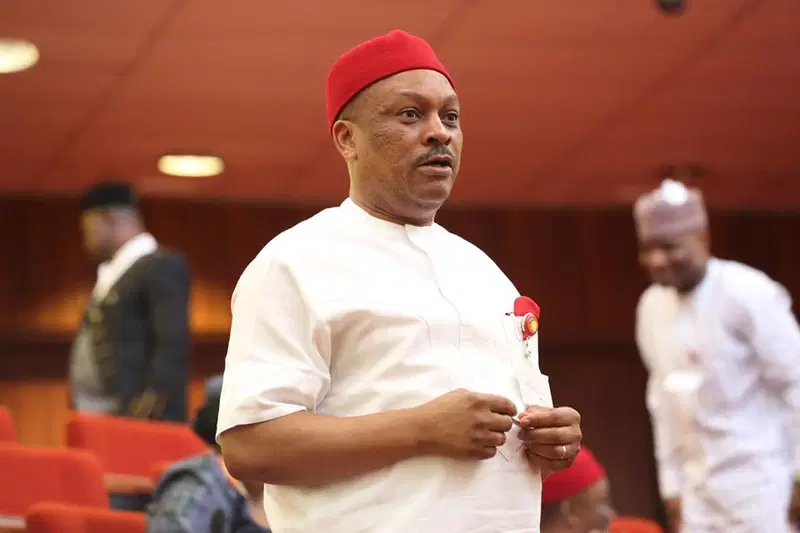
Samuel Anyanwu heads to court over PDP expulsion dispute
Nigeria’s main opposition party is facing renewed turmoil as Samuel Anyanwu, a prominent chieftain of the Peoples Democratic Party (PDP), has approached the Court of Appeal to overturn a judgment affirming his expulsion.
The development marks a critical turning point in the ongoing PDP leadership crisis, with legal, political, and constitutional implications that could reshape the party’s internal structure ahead of future elections.
How the PDP Expelled Samuel Anyanwu
The controversy dates back to March 2025 when the PDP’s disciplinary committee, led by senior party figure Tom Ikimi, recommended Anyanwu’s expulsion over alleged anti-party activities.
According to party records, the committee claimed that Anyanwu failed to appear before it despite being given an opportunity to defend himself. The recommendation was later upheld during the PDP’s national convention in Ibadan in November 2025.
Anyanwu was expelled alongside other high-profile figures, including Nyesom Wike and Ayo Fayose, signaling a deepening crisis within the party.
High Court Upholds Expulsion
Dissatisfied with the decision, Anyanwu initially approached the Federal Capital Territory (FCT) High Court to challenge his removal. However, in January 2026, Justice Yusuf Halilu dismissed the suit.
The court ruled that the matter was an internal party dispute and that Anyanwu failed to exhaust the PDP’s internal dispute resolution mechanisms before seeking judicial intervention.
The judge further held that there was no evidence of procedural irregularity, affirming that the disciplinary process was conducted within party rules.
Appeal Filed: Anyanwu Pushes Back
Undeterred, Anyanwu filed a notice of appeal on April 10, 2026, urging the appellate court to set aside the lower court’s judgment.
In his appeal, he raised nine grounds challenging the ruling, arguing that:
- The trial court erred in declaring the matter non-justiciable
- His constitutional right to fair hearing was violated
- The disciplinary committee acted beyond its powers
- The case goes beyond internal party matters and involves constitutional issues
Anyanwu insists that his grievances are rooted in legal and constitutional violations, not merely party politics, thereby justifying judicial intervention.
READ ALSO
Supreme Court fixes April 22 for PDP leadership showdown as power struggle intensifies
El-Rufai in fresh legal storm: ICPC arraigns Ex Governor as Court grants ₦200m bail
PDP Leadership Crisis: Factions Deepen Division
The appeal comes amid a widening leadership struggle within the Peoples Democratic Party.
The party is currently split into two major factions:
- One faction aligned with Nyesom Wike
- Another linked to rival leadership interests within the party
Both factions have engaged in multiple legal battles over control of the party’s structure, leadership positions, and legitimacy.
Interestingly, one faction has reportedly re-elected Anyanwu as national secretary during a separate convention, further complicating the legal and political situation.
What the Appeal Means
Legal experts suggest that the outcome of the appeal could set a significant precedent for how Nigerian courts handle intra-party disputes.
Traditionally, courts have avoided interfering in political party matters unless constitutional rights are at stake. Anyanwu’s argument hinges on this exception, particularly his claim of denied fair hearing.
If the Court of Appeal rules in his favour, it could:
- Reinstate his membership in the PDP
- Challenge the authority of the party’s disciplinary mechanisms
- Influence similar cases involving other expelled members
However, if the appeal fails, it would reinforce the principle that internal party processes remain binding.
What This Means for PDP’s Future
The ongoing dispute underscores the fragility of unity within Nigeria’s opposition politics. With multiple lawsuits and factional leadership claims, the PDP faces mounting challenges in presenting a cohesive front.
The legal battle involving Anyanwu is not just about individual membership, it reflects a broader struggle for control, legitimacy, and direction within the party.
As the 2027 general elections approach, unresolved internal conflicts could weaken the PDP’s chances against rival political forces.
What Happens Next?
The Court of Appeal is expected to review the case based on the legal arguments presented. The timeline for judgment remains uncertain, but the decision will likely have far-reaching consequences.
For now, the PDP crisis continues to unfold, with courtrooms becoming the battleground for political supremacy.
FAQ
Why did the PDP expel Samuel Anyanwu?
Samuel Anyanwu was expelled over alleged anti-party activities, following a recommendation by the PDP disciplinary committee.
What is Samuel Anyanwu’s appeal about?
He is challenging the High Court judgment that upheld his expulsion, arguing that his right to fair hearing was violated and that the case involves constitutional issues.
Did the court initially support the PDP’s decision?
Yes. The FCT High Court ruled that the matter was an internal party affair and dismissed Anyanwu’s case.
Can the Court of Appeal overturn the expulsion?
Yes. If the appellate court finds merit in his arguments, it can set aside the earlier judgment and potentially reinstate him.
How does this affect the PDP?
The case deepens the existing leadership crisis within the Peoples Democratic Party, which is already divided into factions.
Is the PDP currently divided?
Yes. The party is split into rival factions with competing leadership claims, leading to multiple court cases.
What are the key legal issues in the case?
The main issues include fair hearing, jurisdiction, and whether courts can intervene in internal party disputes.
When will the court decide on the appeal?
No specific date has been announced, but the ruling is expected after the appellate court reviews all submissions.