

Portugal Visa: 5 Categories of Foreigners Who Can Apply Without Paying the €110 Fee

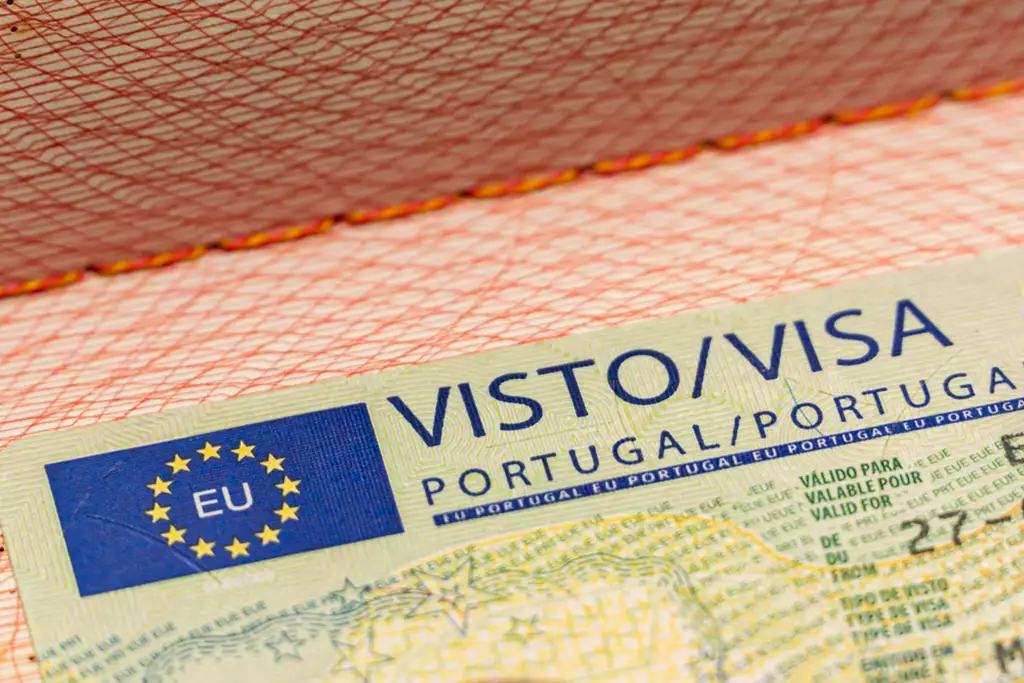
5 foreigners can avoid Portugal visa fee
Portugal has listed five categories of foreign nationals who are exempt from paying the standard fee for national visa applications, potentially reducing the cost of moving to the country for study, research, family reunification or medical treatment.
The standard processing fee for a Portuguese national visa is €110, but the country’s visa authorities provide full exemptions for certain applicants.
The exemptions cover specific groups, including young children, some family-reunification applicants, scholarship recipients, highly qualified researchers and patients travelling under health cooperation agreements.
For Nigerians and other foreigners considering Portugal for work, education or long-term residence, the distinction is important because not every visa applicant qualifies for the fee exemption.
Who can apply for a Portugal visa without paying the fee?
Portugal’s visa rules identify five categories of applicants who can be exempt from paying the standard national visa application fee.
The exemption depends on the applicant’s circumstances and the purpose of the journey.
1. Children under six
Children below the age of six are among those exempt from the Portuguese national visa application fee.
The provision can reduce the cost for families travelling to Portugal with young children, particularly where parents or other family members must also submit visa applications.
The exemption relates to the visa fee itself and does not mean that every other cost associated with preparing an application is automatically removed.
2. Certain descendants applying through family reunification
Portugal also provides a fee exemption for descendants of Portuguese residents who hold a residence permit, where the application is being made under the relevant family reunification provisions.
This category is particularly relevant to families seeking to reunite in Portugal.
Applicants still have to meet the requirements of the applicable family reunification route. Simply having a relative living in Portugal does not automatically make every visa application fee-free.
The relationship, residence status of the family member in Portugal and the legal basis of the application are important.
3. Foreign students with Portuguese scholarships
Foreign nationals who have been awarded a study scholarship by Portugal are also included among those eligible for a visa fee exemption.
This can be significant for international students who have already secured financial support for their studies.
Portugal offers education opportunities to international students across universities and other higher education institutions, but the visa exemption is tied specifically to applicants who fall within the scholarship provision.
A student who is travelling to Portugal without a qualifying Portuguese scholarship should not assume that the same exemption applies.
4. Highly qualified researchers
Portugal also exempts certain foreign nationals travelling for highly qualified research activities.
The exemption covers researchers travelling for qualifying research activity under either a residence or temporary-stay arrangement.
The provision reflects Portugal’s effort to facilitate international scientific and academic activity by reducing the administrative cost attached to qualifying research-related travel.
Researchers must still meet the immigration and visa requirements associated with their particular activity.
READ ALSO
UK Citizenship: 6 Registration Routes Where Children Can Request a Fee Waiver
Germany Citizenship: 6 categories who can apply without paying the Naturalisation fee
5. Patients and accompanying persons under health agreements
The fifth category covers patients and accompanying persons travelling to Portugal under cooperation agreements in the field of health.
This means people whose travel falls within the relevant health cooperation arrangements can qualify for an exemption from the national visa fee.
The provision is particularly significant because medical travel can already involve substantial expenses, including treatment, accommodation and transportation.
However, the exemption is linked to travel covered by the applicable cooperation agreements. It is not a blanket waiver for every foreigner travelling to Portugal for medical treatment.
Portugal’s €110 visa fee does not apply to everyone
Portugal’s national visa fee is generally €110, but the five exemptions demonstrate that the amount applicants pay can depend on their circumstances.
This is particularly important for families, students and researchers who may assume that the standard charge applies to everyone.
The fee exemption is separate from the decision on whether a person qualifies for a visa.
A person can meet the conditions for a fee exemption but still have to satisfy the substantive immigration requirements for the visa they are seeking.
What types of long-stay visas does Portugal offer?
Portugal’s long-stay visa system broadly covers temporary-stay visas and visas associated with residence.
Temporary-stay visas are intended for people who need to remain in Portugal for a period of less than one year. They can generally allow multiple entries during the authorised period.
Residence visas are intended for people planning a longer stay and can be part of the process leading to a Portuguese residence permit.
The available visa routes cover purposes such as employment, study, internships and medical treatment, depending on the applicant’s circumstances.
Portugal has also introduced a visa route for foreign nationals seeking to travel to the country to look for employment.
Does a visa fee exemption mean the visa is guaranteed?
No.
A fee exemption only concerns the cost of processing the visa application. It does not guarantee approval.
Applicants must still meet the conditions of the specific visa category, submit the required documentation and satisfy the relevant Portuguese immigration authorities.
The exemption should consequently be viewed as a reduction in the cost of applying rather than a separate immigration status.
What does the Portugal fee exemption mean for Nigerians?
Nigerians planning to travel to Portugal may benefit from the exemptions if they fall within one of the five qualifying categories.
A Nigerian child under six, a qualifying scholarship recipient or an eligible researcher could potentially fall under the relevant fee-free provisions.
Likewise, a Nigerian travelling under a qualifying family reunification or health cooperation arrangement may qualify where the legal requirements are satisfied.
However, Nigerian nationality itself does not qualify an applicant for a free Portugal visa.
The applicant’s age, relationship to a qualifying resident, scholarship status, research activity or medical circumstances determine whether the exemption applies.
Frequently Asked Questions
How much is the Portugal national visa fee?
The standard processing fee for a Portuguese national visa is €110, although certain applicants are exempt.
Who can apply for a Portugal visa without paying the fee?
Portugal lists five main categories: children under six, qualifying descendants of Portuguese residence-permit holders applying through family reunification, Portuguese scholarship recipients, certain highly qualified researchers and patients and accompanying persons travelling under relevant health cooperation agreements.
Can Nigerians get a Portugal visa for free?
Nigerian citizens can potentially qualify for the fee exemption if they meet one of the specific conditions. Nigerian nationality alone does not make a visa application free.
Do children under six pay for a Portugal national visa?
Children below six years old are among the categories listed as exempt from the national visa fee.
Are international students exempt from the Portugal visa fee?
Foreign students who have been awarded a qualifying study scholarship by Portugal are included among the fee-exempt categories.
Are researchers exempt from Portugal visa fees?
Certain foreign nationals travelling to Portugal for highly qualified research activities can qualify for a visa fee exemption, subject to the applicable conditions.
Can medical patients get a Portugal visa without paying?
Patients and accompanying persons travelling under qualifying health cooperation agreements with Portugal are included in the fee-exempt category.
Is every family-reunification visa free in Portugal?
No. The exemption applies to the specific family-reunification circumstances identified by the Portuguese authorities. Applicants must meet the relevant conditions.
Does a Portugal visa fee waiver guarantee approval?
No. A fee exemption only removes the applicable visa processing charge. Applicants must still satisfy the requirements of the visa category they are applying for.
Does Portugal have a visa for people looking for jobs?
Portugal has a visa route designed for foreign nationals who wish to travel to the country to seek employment. Applicants must meet the requirements applicable to that route.