

People Who Can Apply for Citizenship Without Paying Fee in New Zealand

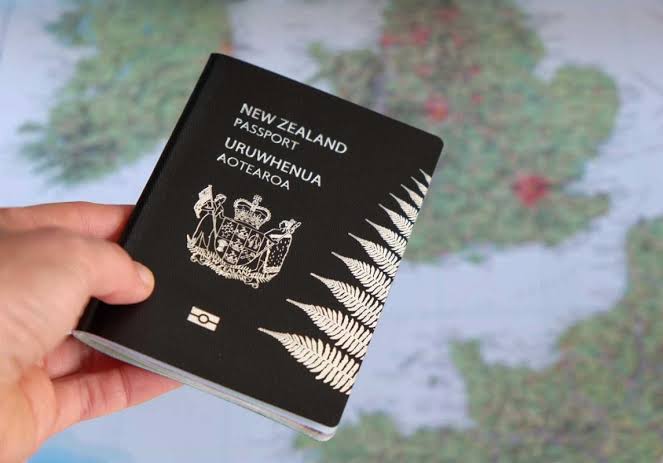
New Zealand has identified a specific category of people who can apply for citizenship without paying the standard application fee.
The exemption applies to a narrow group of former immigrant children who arrived in New Zealand from Great Britain more than 70 years ago under a specific post-war government arrangement.
For most people applying for New Zealand citizenship today, however, the standard fee applies.
Who can apply without paying the fee?
New Zealand’s citizenship regulations provide a fee exemption for certain people who were classified as immigrant children.
To qualify, the person must have arrived in New Zealand from Great Britain before turning 18 between January 1, 1949 and December 31, 1954.
Their arrival must also have been under an arrangement involving the New Zealand government and their parents or guardian, with the child coming to New Zealand under the provisions of the Child Welfare Amendment Act 1948.
The regulation excludes people who arrived accompanied by and under the care of their parents or another relative.
This means that simply being a British person who moved to New Zealand as a child during the period is not enough to qualify for the exemption.
The applicant must fall within the specific historical category recognised by the citizenship regulations.
Why does the exemption exist?
The provision is linked to New Zealand’s post-war immigrant-child programme.
After World War II, New Zealand received children from Great Britain under government-approved arrangements. The 1948 Child Welfare Amendment Act established legal provisions covering the care and guardianship of immigrant children arriving under those arrangements.
The legislation also distinguished immigrant children from refugee children.
The citizenship regulations maintain this distinction by requiring a person seeking the fee exemption to establish that they were an eligible immigrant child and not a refugee child.
How much does New Zealand citizenship cost?
The special exemption does not apply to most people seeking New Zealand citizenship.
Under the current government fee schedule, an adult aged 16 or over applying for citizenship by grant pays NZD641.
Children aged 15 or younger pay NZD320.
The latest fees came into effect on August 28, 2026, following changes to New Zealand’s citizenship fee regulations.
Applicants must also meet the normal citizenship requirements and provide the documents required by the New Zealand government.
Can the exemption be used more than once?
No.
The citizenship regulations state that a person cannot make more than one application free of charge under the special immigrant-child provision.
The applicant must also provide enough evidence to satisfy the Secretary for Internal Affairs that they belong to the category covered by the regulation.
What does this mean for foreigners?
The exemption should not be confused with a general fee waiver for immigrants.
A foreign national who moves to New Zealand today, obtains residence and later becomes eligible for citizenship would normally be required to pay the applicable citizenship fee.
The special provision is tied to a particular group of children who arrived from Great Britain between 1949 and 1954 under historical government arrangements.
For most citizenship applicants, the current standard fee remains applicable.
Anyone preparing to apply for New Zealand citizenship should check the latest requirements and fees on the official New Zealand government website before submitting an application.