

OPay IPO: How Nigerians Could Own Shares in the Fintech Company

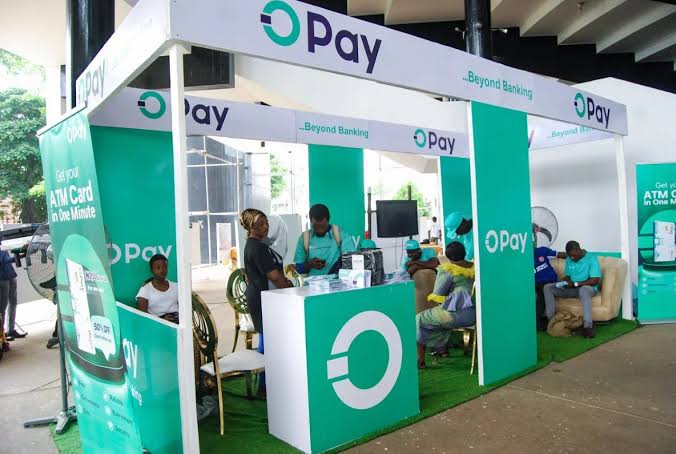
Nigerians may soon have an opportunity to own shares in OPay, the fintech company widely used for digital payments, transfers and other financial services.
OPay has secured board and shareholder approval to pursue a listing on the Nigerian Exchange Limited (NGX) after its planned initial public offering (IPO) on the New York Stock Exchange (NYSE).
The company disclosed the plan in a registration statement filed with the United States Securities and Exchange Commission (SEC) on October 9, 2026.
However, the proposed Nigerian listing has not taken place. OPay must first complete its planned US listing and meet the relevant Nigerian regulatory requirements.
The development raises an important question for Nigerians interested in investing: how could they buy OPay shares, and what should they know before committing their money?
OPay IPO: What the planned listing means for Nigerians
An initial public offering allows a company to offer shares to investors through the stock market. Investors who buy shares acquire an ownership interest in the company.
OPay has applied to list American Depositary Shares (ADSs) on the NYSE under the proposed ticker symbol OPAY. These securities represent interests in the company’s ordinary shares and allow investors to trade exposure to the company on a US exchange.
The company also plans to pursue a secondary listing on the NGX. If completed, this could give Nigerian investors a route to buy shares through the domestic stock market.
For many local investors, a Nigerian listing could be more accessible than investing directly through a US brokerage account. It could also allow them to participate in the company’s growth without navigating all the processes involved in buying foreign-listed securities.
However, OPay has not announced a date for the proposed NGX listing. The company has also not disclosed the final IPO price or the number of shares it intends to offer.
Consequently, Nigerians cannot yet rely on the proposed listing as an available investment opportunity.
How Nigerians could buy OPay shares
If OPay completes its proposed NGX listing, Nigerians interested in buying its shares would generally need to use a stockbroker authorised to trade on the Nigerian Exchange.
Investors can prepare by understanding the process and checking the requirements with a licensed broker.
1. Wait for the official listing details
Investors should first confirm that OPay has completed the necessary approvals and that its shares are available for trading on the NGX.
The company and the relevant market authorities will need to provide details about the listing, including the applicable trading arrangements.
Until then, claims that OPay shares are already available to Nigerian investors should be treated with caution.
2. Use a licensed stockbroker
Once the shares become available, prospective investors can contact a stockbroker authorised to trade on the NGX.
The broker can explain the account-opening requirements, the process for placing orders and any applicable charges.
Investors should verify a broker’s regulatory status before transferring money or sharing sensitive financial information.
3. Understand the price and costs
Before buying shares, investors should review the offer price, any applicable fees and the amount they can afford to invest.
A company’s popularity does not automatically make its shares a good investment. The price investors pay matters, as does the company’s financial performance and its prospects for future growth.
Investors should also remember that share prices can fall. Buying shares does not guarantee a profit or regular dividend payments.
4. Check how the Nigerian and US listings will work
OPay has warned that shares traded on the NGX may not be interchangeable with its American Depositary Shares on the NYSE unless arrangements are established to facilitate transfers between the two markets.
This distinction matters because investors may not be able to move their holdings freely between the Nigerian and US markets.
OPay also warned that the absence of transfer arrangements could fragment trading activity, create price differences and increase volatility.
Investors should therefore understand the rules governing each market before deciding where to buy the shares.
Can Nigerians buy OPay shares on the US stock market?
The proposed NYSE listing could provide another route for investors who want exposure to OPay.
However, Nigerians seeking to buy the US-listed securities would need a brokerage service that supports access to the relevant US market. They would also need to meet the provider’s account-opening and verification requirements.
Investors should check the brokerage fees, currency-conversion costs, tax implications and other conditions before proceeding.
The US listing is also not yet complete. OPay has applied to list under the ticker symbol OPAY, but the offering remains subject to final exchange approval and other applicable requirements.
The company has not disclosed the final offer price or the number of shares to be offered.
Earlier reports suggested that OPay could pursue a valuation of about $4 billion. However, that figure should not be treated as the confirmed IPO valuation because the registration statement has not established a final price.
OPay IPO: Why investors are watching the company
OPay’s proposed listing comes as the company reports strong financial growth.
According to figures disclosed in its registration statement, revenue rose to $536.3 million in 2025 from $205.7 million in 2024.
The company also moved from a net loss of $50.8 million in 2024 to a net profit of $72.5 million in 2025.
Its performance improved further in the first half of 2026. Revenue more than doubled year-on-year to $467.1 million, while net income increased to $90.9 million from $21.7 million in the same period of 2025.
OPay reported 50.1 million monthly active users at the end of July 2026. Nigeria accounted for 89.5 per cent of its revenue in the first half of the year.
These figures help explain the interest in the company’s planned stock market debut. However, strong revenue and user growth do not guarantee future profits or rising share prices.
OPay has also identified regulatory intervention in its operating markets as a business risk. Changes in regulations or restrictions on its services could affect its growth and earnings.
What the proposed Standard Bank investment means
The planned listing has also attracted interest from South Africa’s Standard Bank Group.
According to its registration statement, Stanbic Africa Holdings, a Standard Bank subsidiary, has signed an agreement to invest in OPay through a private placement alongside the IPO.
The proposed investment could reach $200 million for a stake of up to 4.99 per cent, subject to the agreement’s terms, completion of the offering and regulatory approvals.
The investment is separate from the proposed opportunity for ordinary investors to buy shares through the stock market.
It also does not mean that OPay’s shares are already available to the public. The private placement and the proposed IPO remain subject to their respective conditions.
What Nigerians should know before investing
OPay’s planned Nigerian listing could widen access to its ownership, but prospective investors should distinguish between the company’s plans and what is already available.
The company has received board and shareholder approval to pursue a secondary listing on the NGX. It has also filed for a proposed US IPO. Neither development means Nigerians can already buy its shares through the planned listings.
Investors should follow official announcements from OPay, the SEC and the NGX for updates on approvals, listing dates and investment terms.
They should also review the company’s financial disclosures, understand the risks and avoid making decisions based only on its popularity or the excitement surrounding the IPO.
If the NGX listing proceeds, Nigerians could have a domestic route to invest in OPay. The accessibility of that opportunity will depend on the final listing arrangements, the share price and the rules governing the Nigerian and US markets.