

Onafriq Shuts Down Baxi in Nigeria: 5 Things POS Agents Should Know

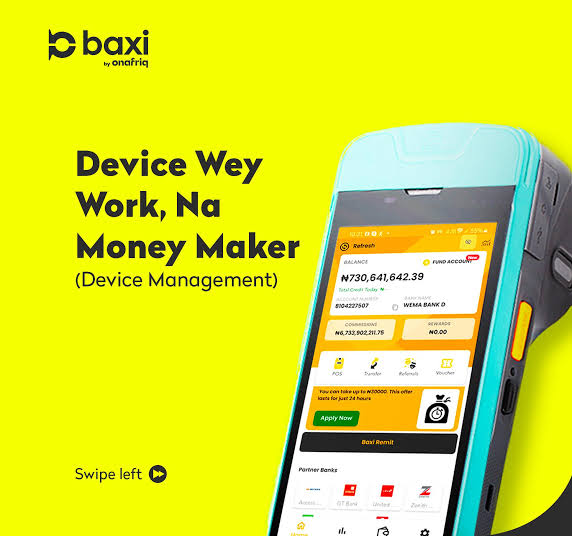
Onafriq is shutting down its Baxi agent banking business in Nigeria, giving affected agents 30 days to transfer their funds to their preferred principal bank. The decision follows rising operating costs, naira depreciation and increased competition in the payments market.
The closure affects Baxi, the agent banking business operated by Onafriq Nigeria Payments Limited. However, the company says it will continue operating in Nigeria through its wider payments network and card-issuing services.
Onafriq announced the decision on October 16, 2026, following a review of its business strategy and the sustainability of its agent banking operations.
The development raises questions about the future of Baxi agents and the services they provide to customers who depend on point-of-sale (POS) terminals for cash withdrawals, transfers and bill payments.
Here are five things POS agents and customers should know about the shutdown.
1. Baxi agents have 30 days to transfer their funds
Onafriq has given agents operating through the Baxi platform 30 days to transfer their funds to their preferred principal bank.
According to the company, the affected agents have already been transitioned to another principal bank as part of the shutdown process.
The transition is intended to help agents continue their operations under a different banking arrangement.
Onafriq has also said its teams will provide support and guidance throughout the process.
Agents should contact the company through its official support channels for instructions on transferring their funds and completing the transition.
The company has not publicly disclosed the total number of agents affected by the decision.
2. Rising costs and naira depreciation contributed to the closure
Onafriq attributed its decision to changes in Nigeria’s economic environment, including inflation, naira depreciation and rising operating costs.
The company said these pressures affected transaction volumes and the cost of running its agent banking network.
Onafriq entered Nigeria’s agent banking market in 2021 when it acquired Baxi, also known as Capricorn Digital Limited.
It continued investing in the business through 2023 to strengthen and expand its agent network.
However, the company said operating conditions changed significantly from 2024, making the business increasingly difficult to sustain.
Increased competition also reduced transaction margins, putting further pressure on the operation.
Dare Okoudjou, Onafriq’s founder and chief executive officer, said the company had not achieved the results it expected from its investment in Nigeria’s agent banking business.
3. The growth of bank transfers has affected POS agents
The increasing use of instant account-to-account transfers has also contributed to changes in Nigeria’s payments market.
Onafriq said the growth of these transfers changed the mix of transactions processed through POS agents.
For agents, transactions such as cash withdrawals, deposits and bill payments can generate income through service charges and commissions.
However, as customers increasingly use bank transfers to make payments directly, the types and volumes of transactions handled by agents can change.
At the same time, competition among POS operators has put pressure on the margins businesses earn from transactions.
These developments have made it more difficult for some operators to cover their operating expenses and maintain profitable agent networks.
Onafriq said the combination of economic pressures, changing payment habits and competition contributed to its decision to close Baxi’s agent banking business.
4. Onafriq is not leaving Nigeria completely
Although the company is shutting down Baxi’s agent banking operations, it has confirmed that it will remain in Nigeria.
Onafriq plans to continue serving the Nigerian market as a Payment Solution Service Provider through its payments network and card-issuing services.
The company also intends to focus on its cross-border payments business, which connects payment systems across African markets and beyond.
This means the closure affects a specific part of its Nigerian operations rather than the entire business.
Onafriq’s decision represents a shift away from running a physical agent banking network towards focusing on its broader payments infrastructure.
The company has also pledged to consult affected employees and support them through the transition.
5. What the shutdown means for Baxi agents and customers
For Baxi agents, the immediate priority is completing the transition to another principal bank and transferring their funds within the 30-day period.
Agents should follow the official instructions provided by Onafriq to avoid complications during the process.
Customers who regularly use Baxi POS outlets may also need to confirm whether their usual agents will continue operating under a different arrangement.
The shutdown could affect the availability of services at individual outlets during the transition, although Onafriq has not announced how many agents will remain active under their new arrangements.
The company has said it will provide guidance to affected agents throughout the process.
For now, the key issue is how smoothly the transition takes place and whether agents can continue serving customers without significant disruption.
What happens next?
Onafriq will wind down its Baxi agent banking business while continuing its other payments operations in Nigeria.
The company has not disclosed the full financial details of the closure or the total number of employees and agents affected.
For Baxi agents, meeting the 30-day deadline and following the company’s transition instructions will be essential to completing the process.